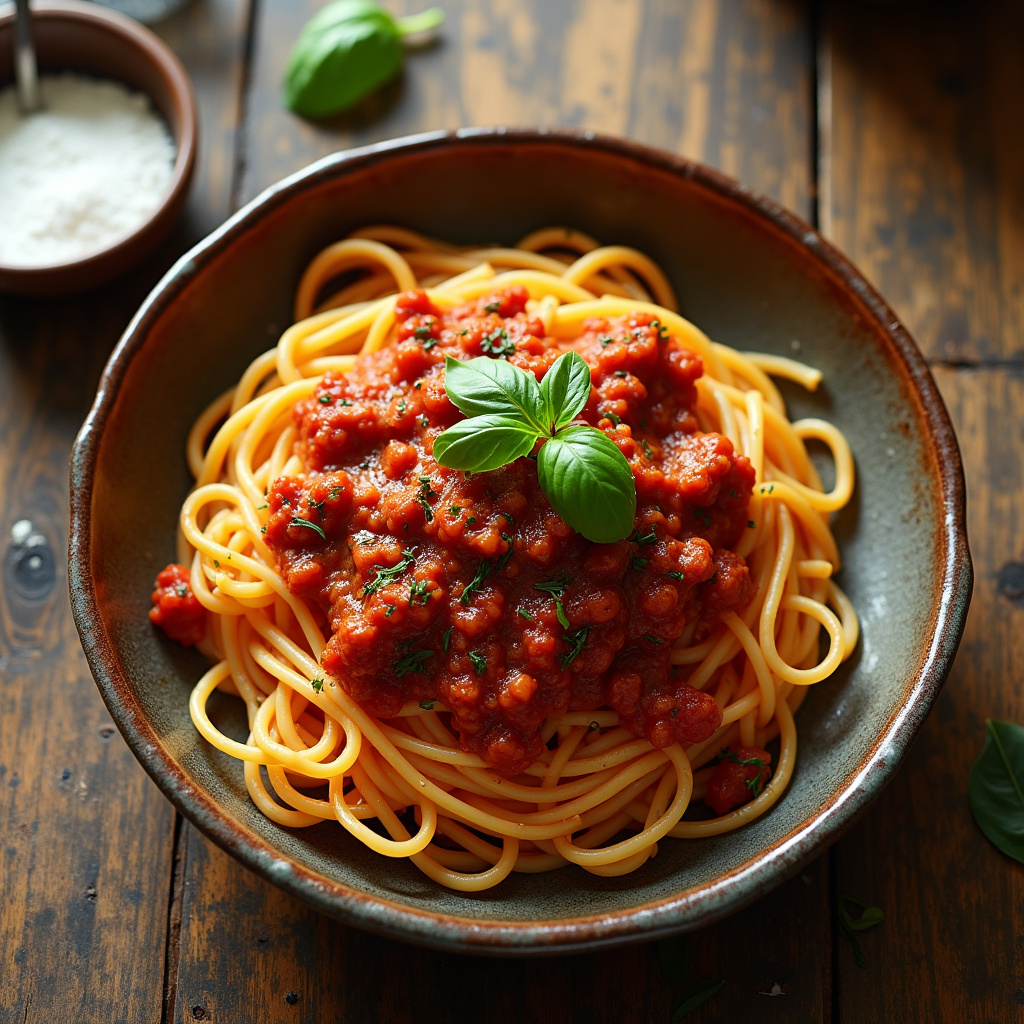
There's something about hosting brunch on Mother's Day that feels different than dinner. The light is softer, the mood is lighter, and there's less pressure to orchestrate a formal multi-course meal. Brunch happens in that sweet spot of the morning when everyone is awake but not yet rushed, when the table can be beautiful without being fussy, and when the focus stays on conversation rather than complicated cooking.
Planning a Mother's Day brunch doesn't mean starting from scratch or buying everything new. It's about creating a morning that feels intentional and welcoming, where the food is approachable, the table looks considered, and the whole event feels like something that happened naturally rather than something you stressed over for days. The best brunches are the ones where the host actually gets to sit down and enjoy the meal too.
This guide walks through the full picture—from what to serve and how to set the table, to timing, small decor touches, and realistic ways to pull it all together without overcomplicating a day that's meant to be relaxing.
Start with a Menu That Works for Everyone

The foundation of any successful brunch is food that satisfies a range of appetites without requiring constant attention in the kitchen. Mother's Day brunch food should feel a little special but still be manageable to prepare, serve, and enjoy without running back and forth.
A balanced brunch menu includes something sweet, something savory, something fresh, and something that can be prepped ahead. This might look like a frittata or quiche that bakes while you set the table, a fruit salad that's already assembled in the fridge, pastries or muffins that can be store-bought or made the day before, and coffee or mimosas that guests can serve themselves.
The key is avoiding dishes that require precise timing or last-minute assembly. If you're standing over the stove flipping individual pancakes while everyone else is eating, the meal doesn't work. Choose recipes that can sit on the table for a while without losing their appeal—casseroles, baked goods, salads, and things served at room temperature.
- Baked egg dishes like frittatas, strata, or crustless quiche
- Fresh fruit platters with yogurt or whipped cream on the side
- Pastries, scones, or coffee cake that can be bought or baked ahead
- Simple sides like roasted potatoes, bacon, or sausage links
- Beverages that can be self-serve: coffee station, pitcher of juice, champagne and mixers for mimosas
Build a Table That Feels Light and Seasonal
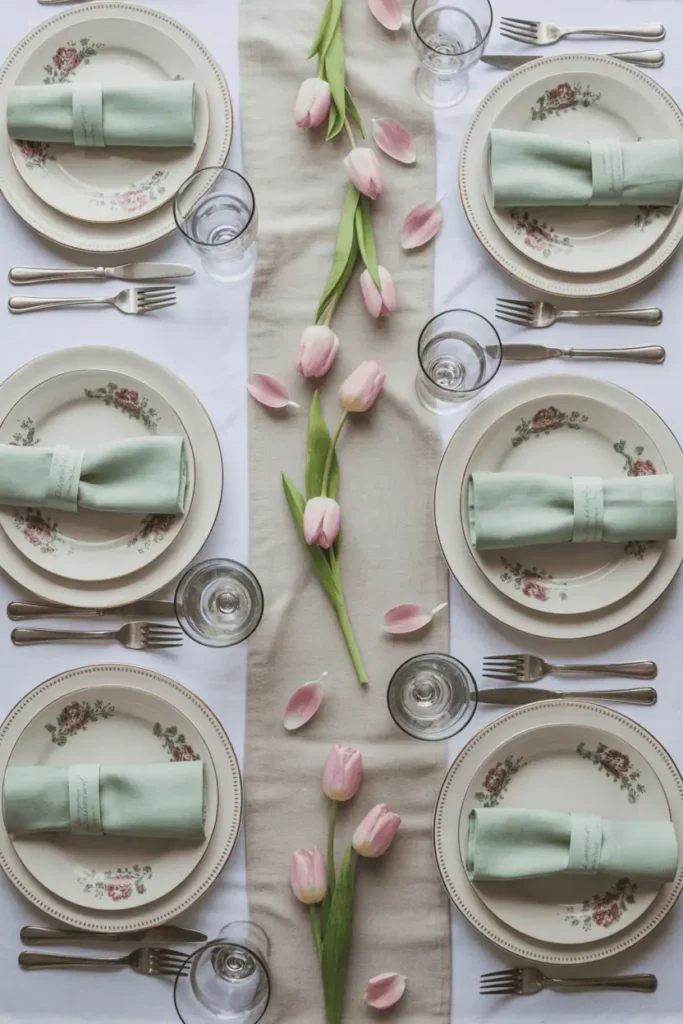
Mother's Day falls in mid-spring, which means your table can lean into softer colors, fresh flowers, and lighter textures without feeling overly themed. The goal is a table that looks put-together but not stiff—somewhere between everyday and formal.
Start with a tablecloth or runner in a light neutral: cream linen, soft cotton, or even a vintage floral print if that suits your style. Layering plates gives the table a more finished look, and you don't need matching sets. A white or cream dinner plate topped with a smaller salad plate in a pastel or floral pattern works beautifully and feels more personal than everything matching perfectly.
Napkins in soft pink, lavender, mint, or classic white add color without overwhelming the table. Cloth napkins instantly make the meal feel more special, and they don't need to be ironed flat—linen looks better with a little texture. If you're using napkin rings, keep them simple: brass, wood, or even a ribbon tied with a sprig of rosemary or a single bloom.
Quick styling tip: If your everyday dishes are plain, this is where vintage or thrifted plates shine. One or two mismatched floral plates per place setting add charm and make the table feel curated without any real effort.
Choose Flowers That Feel Fresh, Not Formal

Fresh flowers are almost non-negotiable for Mother's Day, but the arrangement doesn't need to be elaborate or expensive. In fact, the most inviting tables usually feature flowers that look like they could have been gathered from a garden rather than ordered from a florist.
Tulips, peonies, ranunculus, and lilacs are all in season in May and feel appropriately springlike. Keep arrangements low—under twelve inches—so they don't block conversation across the table. A simple ceramic pitcher, a low bowl, or even a cluster of small bud vases down the center of the table works better than one tall statement arrangement.
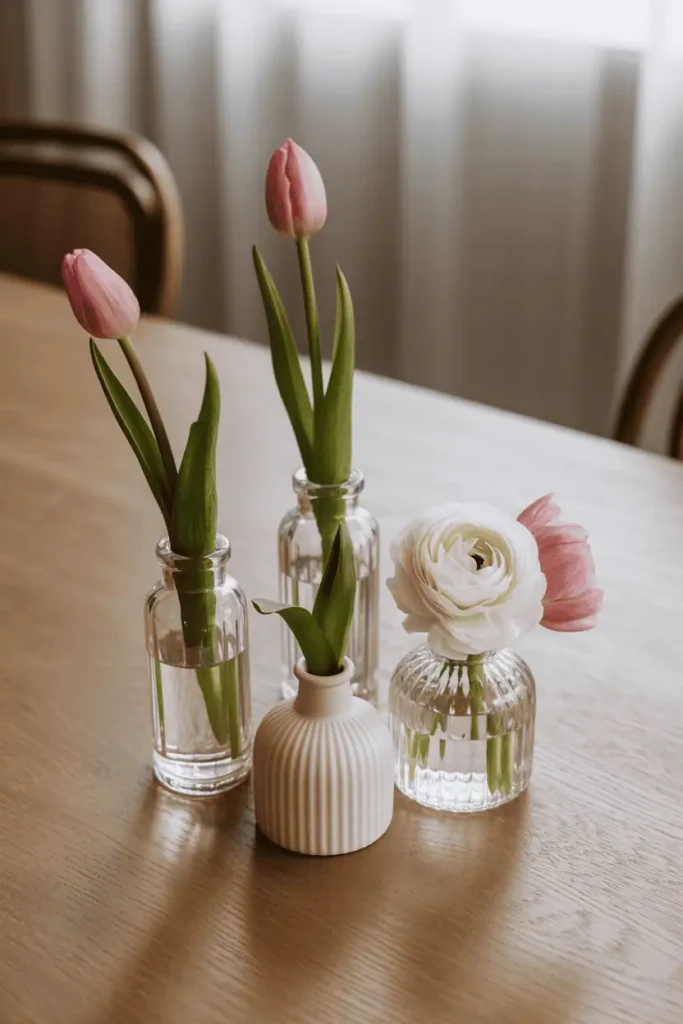
If you're on a budget, a single type of flower in one or two colors has more impact than a complicated mixed bouquet. A bunch of grocery store tulips in soft pink or white, trimmed short and placed in a simple vessel, looks just as beautiful as something more expensive. You can also cut branches from flowering trees—dogwood, cherry, or lilac—and use those as the base of your centerpiece with a few fresh stems tucked in.
- Use a low, wide vessel so flowers don't block sightlines
- Stick to one or two flower types in a cohesive color palette
- Add greenery like eucalyptus or herbs for texture without extra cost
- Scatter a few blooms in small glasses or vases along the table for a softer, less structured look
Set Up a Self-Serve Coffee and Beverage Station
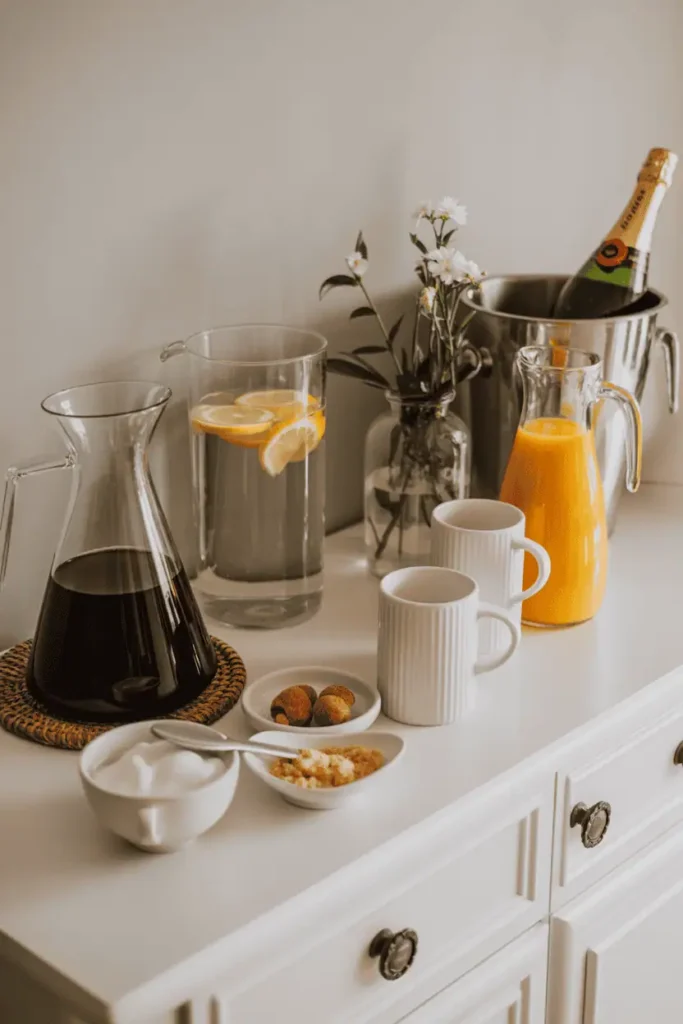
One of the easiest ways to make brunch feel relaxed is to let guests serve their own drinks. A simple beverage station takes pressure off you and gives people the freedom to refill without asking.
Set up a small table, sideboard, or kitchen counter with everything needed: a carafe of hot coffee, a pitcher of water with lemon or cucumber slices, a container of juice, and the ingredients for mimosas if you're serving them. Include small bowls of sugar, cream, and any other add-ins, plus a stack of glasses or mugs.
If you're doing mimosas, set out a bottle of chilled champagne or prosecco alongside a pitcher of orange juice. You can also offer other juice options—grapefruit, cranberry, or peach nectar—so guests can customize their drinks. Having everything in one spot keeps the table clear and makes the whole morning feel less formal.
Keep in mind: If counter space is limited, a bar cart or even a tray on the dining table works just as well. The goal is convenience, not perfection.
Plan the Timing So You're Not Rushing
The hardest part of hosting brunch is often the timing—getting everything ready at once without feeling frantic. The secret is doing as much as possible the day before and choosing recipes that don't require split-second coordination.
Set the table the night before. Arrange flowers, fold napkins, set out plates and glassware. Having the table completely finished ahead of time means you wake up to something beautiful already in place, which sets the tone for a calmer morning.
Prep any food that can be made ahead: wash and cut fruit, assemble a breakfast casserole and refrigerate it unbaked, set up the coffee station with everything except the hot coffee itself, and portion out ingredients for anything you're cooking day-of. The fewer decisions you have to make the morning of, the smoother everything flows.
Aim to have guests arrive 30 minutes after you want to serve. This gives you a buffer to finish any last-minute cooking, pull things out of the oven, and plate food without feeling rushed. Brunch is forgiving—people expect a relaxed timeline, and nobody minds waiting a few extra minutes if there's coffee and conversation.
Add Small Personal Touches Without Overcomplicating
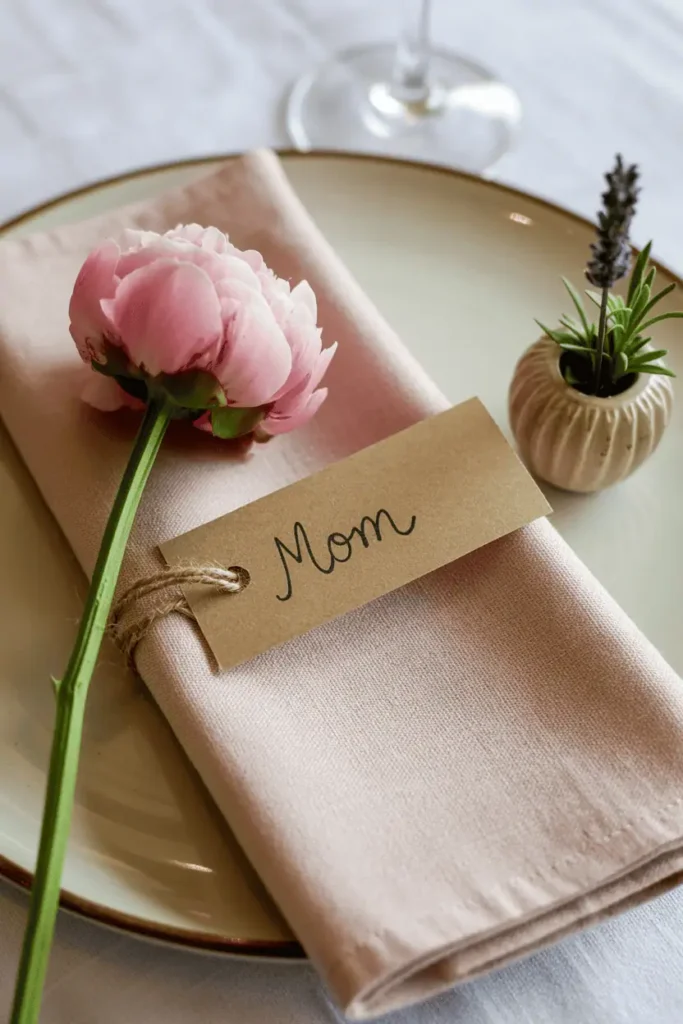
Small details make a brunch feel thoughtful, but they shouldn't add stress or require elaborate effort. A handwritten place card, a single flower laid across each napkin, or a small favor at each seat can make the meal feel more intentional without much work.
Place cards don't have to be fancy. Write names on small kraft tags, folded cardstock, or even smooth stones with a paint pen. They help guests find their seats and signal that you put thought into the gathering.
A small favor—a tiny potted herb, a packet of flower seeds, a wrapped truffle, or a mini jar of honey or jam—is a sweet gesture that doesn't need to be expensive. These can be set at each place or offered as guests leave. The point is the gesture, not the gift itself.
- Write each guest's name on a small card or tag
- Tuck a single bloom into each napkin or tie it with ribbon
- Offer a small take-home item that feels personal and seasonal
Consider How You'll Serve the Food
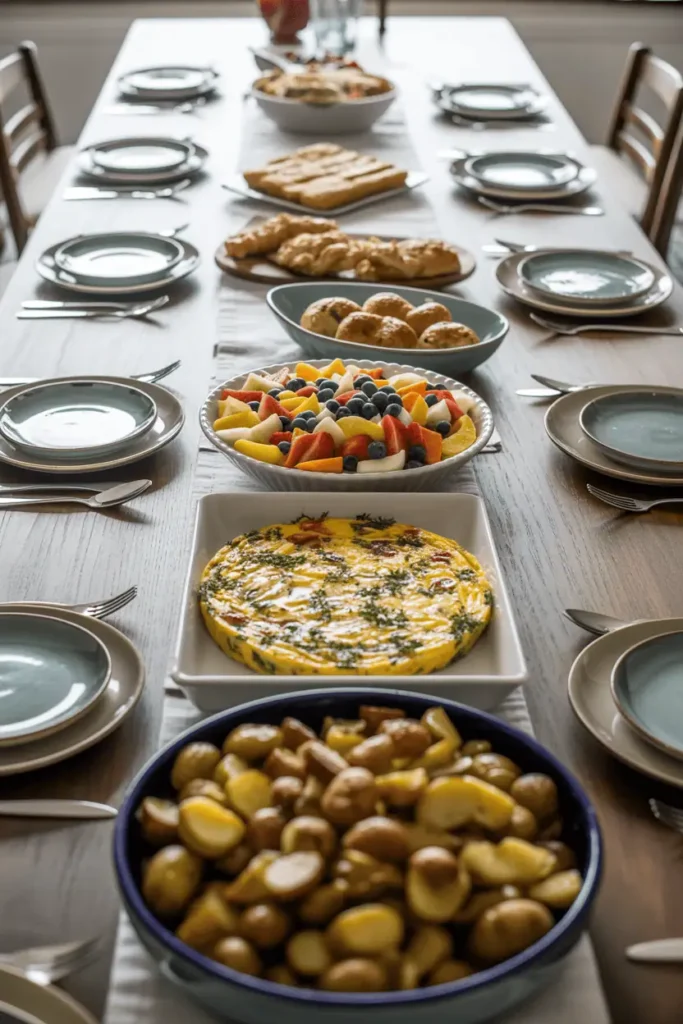
The way food arrives at the table affects the flow of the meal and the overall vibe. Family-style serving, where everything is placed in the center and passed around, feels more casual and encourages conversation. Plated service, where each person receives a finished plate, feels more formal but requires more coordination.
For Mother's Day brunch, family-style usually works best. It's less formal, easier to manage, and lets people serve themselves based on their appetite. Set out serving platters, bowls, and utensils, and let everyone dig in. This also means less time in the kitchen plating individual servings.
If you're serving something that needs to stay hot—like scrambled eggs or pancakes—consider using a warming tray or chafing dish, or simply plan for dishes that taste just as good at room temperature. Frittatas, quiches, and baked goods don't suffer from sitting out for a bit, which makes them ideal for a relaxed brunch.
Choose Brunch Decor That Feels Soft and Seasonal
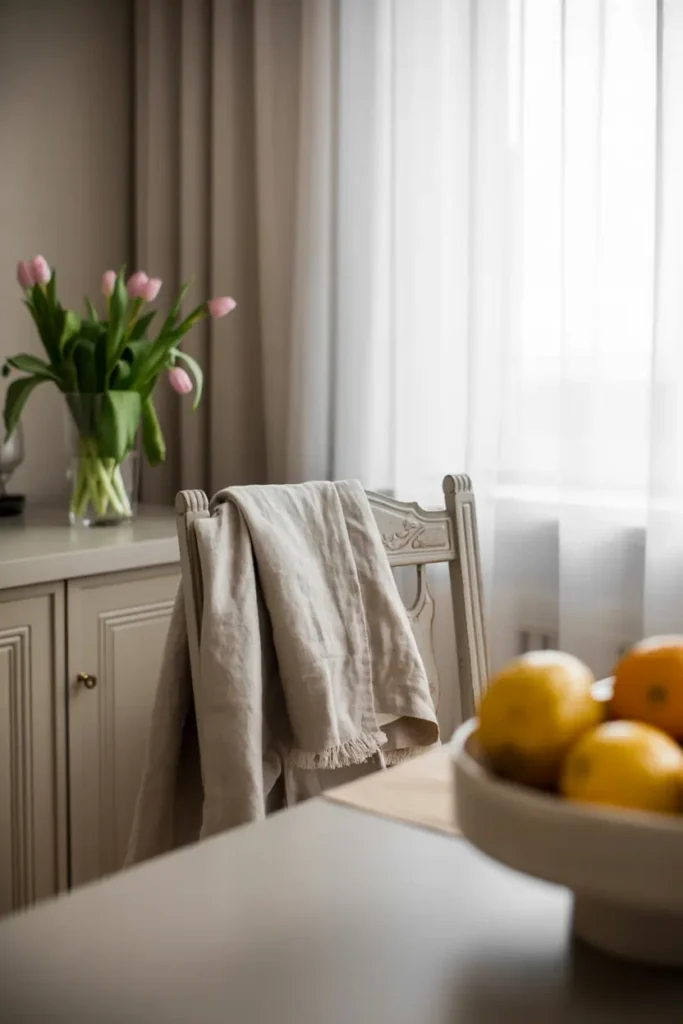
Mother's Day brunch decorating ideas don't need to be elaborate. The table itself is the main decor, but a few small touches around the space make the room feel cohesive and intentional.
If you're eating in the dining room, consider adding a small vase of flowers to the sideboard or a bowl of fresh fruit to the counter. In the kitchen, a pitcher of tulips or a small herb plant near the sink adds a subtle seasonal touch. If you're brunching outdoors, string lights or a simple linen throw over the back of a chair can make the space feel more polished.
Candles aren't essential for daytime brunch, but if your space feels dim or you want a softer ambiance, unscented votives or tapers in soft colors add warmth without competing with the smell of food. Keep them minimal and let the natural light do most of the work.
The goal is to make the whole space feel like it's celebrating the occasion, not just the table. Small, thoughtful touches in the background—a fresh towel in the bathroom, a tidy entry, flowers visible from the dining area—contribute to the overall feeling without requiring much effort.
Offer a Mix of Sweet and Savory Options
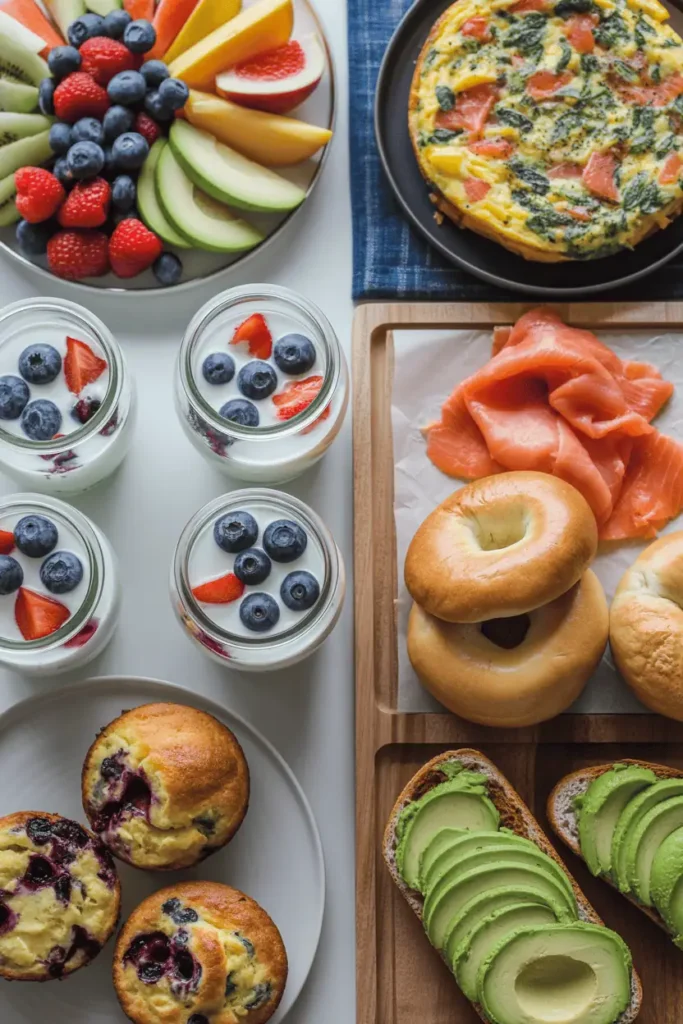
A balanced brunch menu gives guests options without overwhelming them. Some people prefer savory breakfast food, others want pastries and fruit, and most people want a little of both. Offering variety ensures everyone finds something they enjoy.
Savory options might include a vegetable frittata, smoked salmon with bagels and cream cheese, a breakfast casserole with sausage and cheese, or roasted tomatoes and avocado toast. These dishes feel substantial and work well for people who don't have much of a sweet tooth.
Sweet options can be as simple as a fruit salad, yogurt parfaits, muffins, scones, French toast, or a coffee cake. These don't need to be elaborate—store-bought pastries arranged on a nice plate look just as good as homemade, and nobody will judge you for taking shortcuts on a day that's meant to be relaxing.
- Savory: frittata, quiche, bagels with smoked salmon, avocado toast, roasted vegetables
- Sweet: fresh fruit, pastries, muffins, French toast, yogurt with granola and berries
- Sides: bacon, sausage, roasted potatoes, mixed greens with a light vinaigrette
Keep the Color Palette Soft and Cohesive
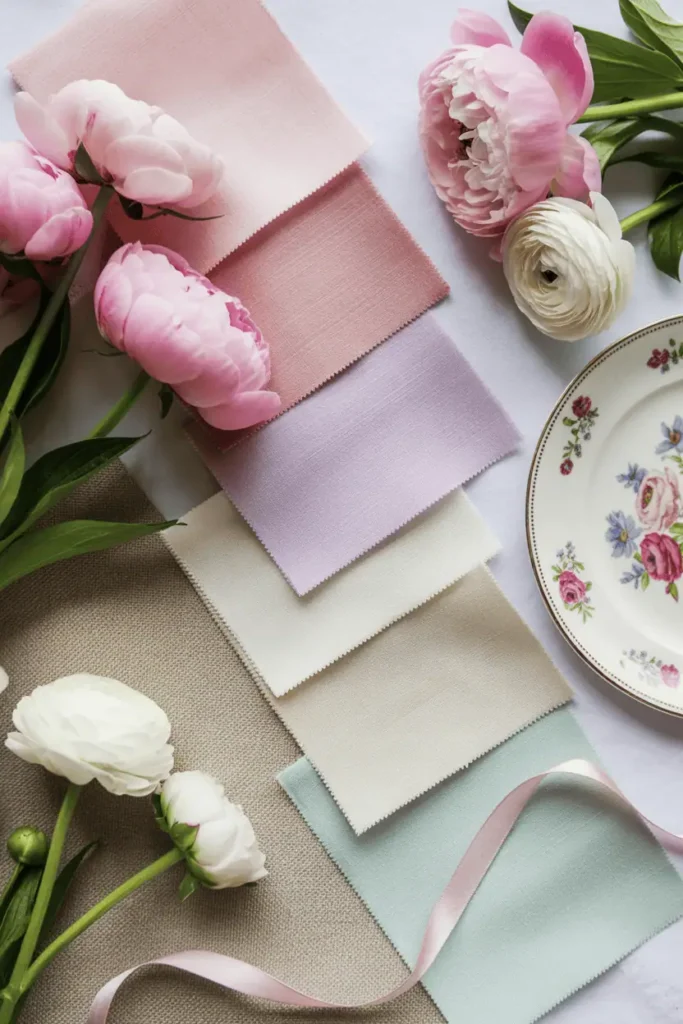
Mother's Day naturally lends itself to softer, lighter colors—blush pink, lavender, soft yellow, mint green, cream, and white. These colors feel springlike and celebratory without being too literal or overly themed.
You don't need to commit to one single color. A palette of two or three soft tones, plus white or cream as a neutral, creates a cohesive look without feeling too matchy. For example, blush pink napkins, white plates, and soft greenery from eucalyptus or herbs feel balanced and elegant.
If you prefer a more neutral approach, stick to whites, creams, and natural wood tones with just hints of green from fresh herbs or foliage. This feels modern and understated while still being seasonal. Avoid anything too dark or saturated—heavy colors can make a spring brunch table feel out of sync with the lightness of the season.
Make Room for Dietary Preferences and Restrictions
Chances are, someone at your table has a dietary preference or restriction—gluten-free, dairy-free, vegetarian, or otherwise. Planning for this ahead of time makes everyone feel included and removes awkwardness during the meal.
If you know someone doesn't eat gluten, offer a gluten-free bread or pastry option alongside the regular ones. If someone is vegetarian, make sure there's a substantial savory option beyond just fruit and pastries. Labeling dishes—especially if there are common allergens like nuts or dairy—helps guests make informed choices without having to ask.
The easiest way to accommodate everyone is to build a menu with variety, where no single dish is make-or-break. If there are five or six things on the table, each guest can choose what works for them without anyone feeling left out.
Quick styling tip: Small folded cards or handwritten labels next to each dish can note ingredients or dietary info without making it feel overly formal. "GF muffins," "vegan fruit salad," or "contains nuts" is all you need.
Plan for Leftovers and Easy Cleanup
One often-overlooked aspect of brunch planning is what happens after the meal. If you've made a lot of food, plan for how leftovers will be stored or sent home with guests. If cleanup feels daunting, simplify where you can.
Use serving dishes and platters that can go directly into the fridge or that have matching lids. If you're sending food home with guests, have a few containers ready to pack up extras. People almost always appreciate taking home a muffin or a slice of quiche, and it saves you from dealing with too many leftovers.
For cleanup, consider using cloth napkins and real dishes but disposable or compostable serving ware if it makes your life easier. There's no shame in reducing dishwashing on a day that's supposed to be enjoyable. Enlist help if people offer—most guests are happy to clear plates or load the dishwasher if you let them.
Think About Seating and Comfort
If you're hosting more people than usual, seating can become a challenge. Mixing dining chairs with a bench, folding chairs, or even stools from the kitchen keeps everyone at the table without requiring a full matching set.
Make sure there's enough elbow room—about two feet per person is ideal, though you can go slightly narrower if needed. If your table is crowded, scale back the centerpiece or skip individual chargers to give everyone more space for their plate and glass.
Comfort matters more than aesthetics. If your chairs are hard, add cushions. If the table feels cramped, move a few items to a sideboard and serve buffet-style instead. The goal is for everyone to feel relaxed and able to enjoy the meal without feeling squeezed in or uncomfortable.
Include Make-Ahead Recipes to Reduce Stress
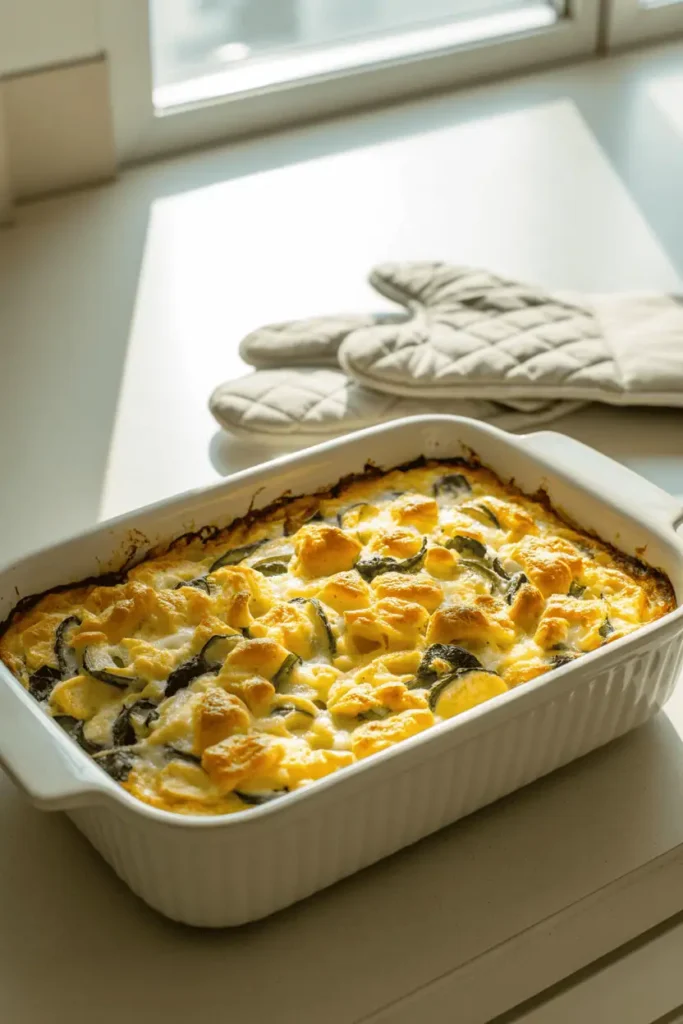
The less you have to do the morning of, the more you'll actually enjoy the brunch. Make-ahead recipes are your best friend when planning Mother's Day brunch food.
Casseroles, frittatas, and baked French toast can all be assembled the night before and baked the morning of. Muffins, scones, and coffee cake can be baked a day or two ahead and stored in an airtight container. Fruit salad can be prepped the night before and kept covered in the fridge. Even mimosa ingredients can be prepped ahead—juice the oranges, chill the champagne, and set everything out on a tray.
The only things that truly need to be made day-of are items that don't hold well, like scrambled eggs or pancakes. If you can avoid those and lean into recipes that taste just as good slightly warm or at room temperature, your morning will be infinitely calmer.
- Overnight breakfast casseroles or strata
- Baked goods like muffins, scones, or quick breads
- Fruit salad or berry compote
- Pre-mixed dry ingredients for pancakes or waffles (if you must make them fresh)
Set the Mood with Simple Background Details
Beyond the table, small touches around the room contribute to the overall atmosphere. Fresh flowers in the entryway, a clean kitchen, and a tidied living room all signal that the space is ready for guests without requiring a deep clean.
If you're playing music, keep it low and instrumental—jazz, classical, or acoustic covers work well and won't compete with conversation. Avoid anything too upbeat or loud. The goal is a soft background layer that fills silence without demanding attention.
Lighting also matters. Open curtains to let in natural light, but if your dining area is dim, consider adding a small lamp or two in the background. Brunch is a daytime meal, so it should feel bright and open, not dim and cozy like dinner.
Consider Hosting Outdoors If Weather Allows
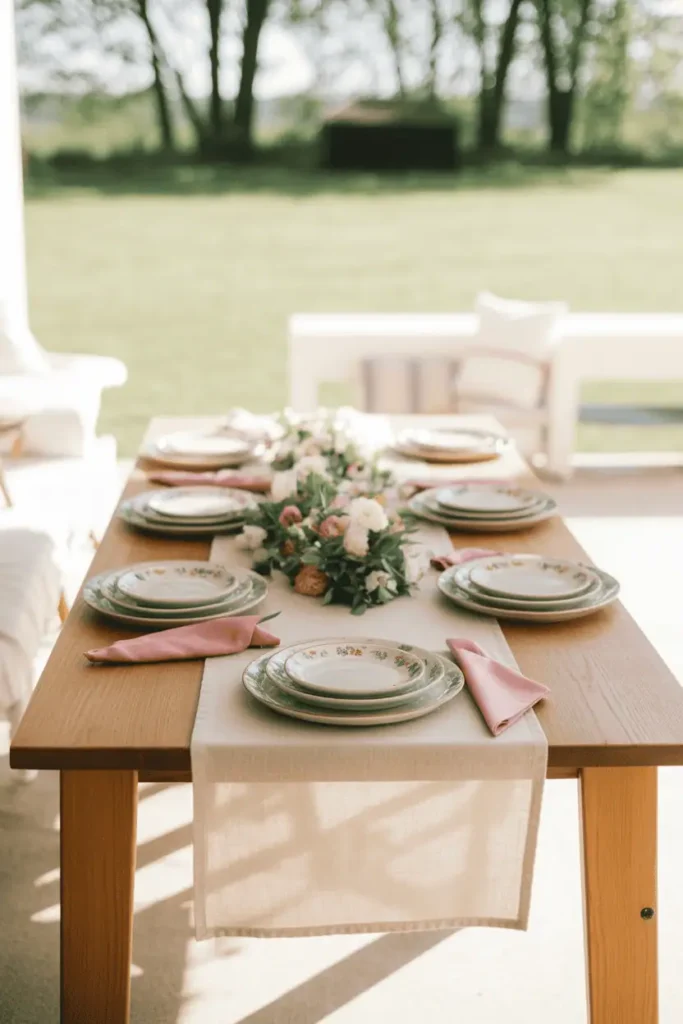
If you have outdoor space and the weather is cooperative, a Mother's Day brunch outside can feel extra special. Patios, decks, or even a picnic setup in the yard bring in fresh air and a change of scenery.
Outdoor brunch doesn't require much more than moving the same setup outside. A tablecloth or runner keeps things polished, and the same flowers and place settings work just as well on a patio table. You'll want to add a few practical elements—a pitcher of water with ice, something to weigh down napkins if there's a breeze, and a plan for shade if it's sunny.
Keep the food simple and avoid anything that wilts or melts quickly in the sun. Stick to items that hold up well at room temperature, and consider using a cooler or insulated carrier to keep beverages cold.
Build a Brunch Menu That Travels Well
If you're hosting at someone else's home—maybe taking brunch to your mother or mother-in-law—you'll need a menu that travels well and doesn't require much on-site prep.
Baked goods, fruit salad, and pastries are easy to transport. A frittata or quiche can be baked at home, wrapped well, and reheated briefly if needed. Avoid anything that requires last-minute assembly or stovetop cooking unless you know the kitchen will be available and you'll have time.
Bring serving dishes, utensils, and any garnishes or toppings with you so everything is ready to set out. If you're bringing flowers, arrange them in a vessel that won't tip over in the car, or bring stems and a vase separately and arrange them on-site.
Embrace Imperfection and Enjoy the Morning

The most important part of any Mother's Day brunch is that it actually feels enjoyable for everyone, including the host. If something doesn't go perfectly—if the frittata is slightly overdone, if you forget to put out the butter, if the flowers droop a little—it doesn't matter. Nobody will remember those details. What they'll remember is the effort, the warmth, and the time spent together.
Give yourself permission to keep things simple. You don't need to recreate a restaurant experience at home. A few thoughtful dishes, a pretty table, and a relaxed morning are more than enough. The goal is to create a space where conversation flows, where everyone feels cared for, and where the focus stays on connection rather than perfection.
Mother's Day brunch planning doesn't have to be complicated or stressful. With a little advance prep, a menu that doesn't require constant attention, and a table that feels warm and welcoming, you can create a morning that actually feels special without running yourself ragged. The best brunches are the ones where everyone—including the host—gets to sit down, relax, and enjoy the meal together.
If you're looking for more seasonal entertaining ideas or simple ways to refresh your dining space for spring, there are plenty of other approachable ways to bring warmth and intention into your home without overthinking it.