There's a specific feeling that comes with opening windows for the first time in months. The air moves differently through the house, the light looks softer, and suddenly the heavy blankets and dark pillows that felt necessary all winter start to look out of place. Spring doesn't ask for a full room overhaul, but it does invite small shifts—swapping textures, lightening color palettes, and bringing in touches that make a space feel aligned with the season outside.
A spring living room refresh doesn't mean buying new furniture or repainting walls. It's more about working with what you already have and adjusting the details: the throw pillows, the coffee table styling, the way light hits a corner that's been dim for months. These changes are subtle but they register immediately when you walk into the room. The space feels less closed-off, more breathable, like it's ready for open windows and longer evenings.
This is about creating a living room that reflects the shift from winter to spring without requiring a budget or a weekend of heavy lifting. Small, intentional updates make the room feel refreshed, and most of them can be done in an afternoon.
Start by Lightening Your Textile Layers
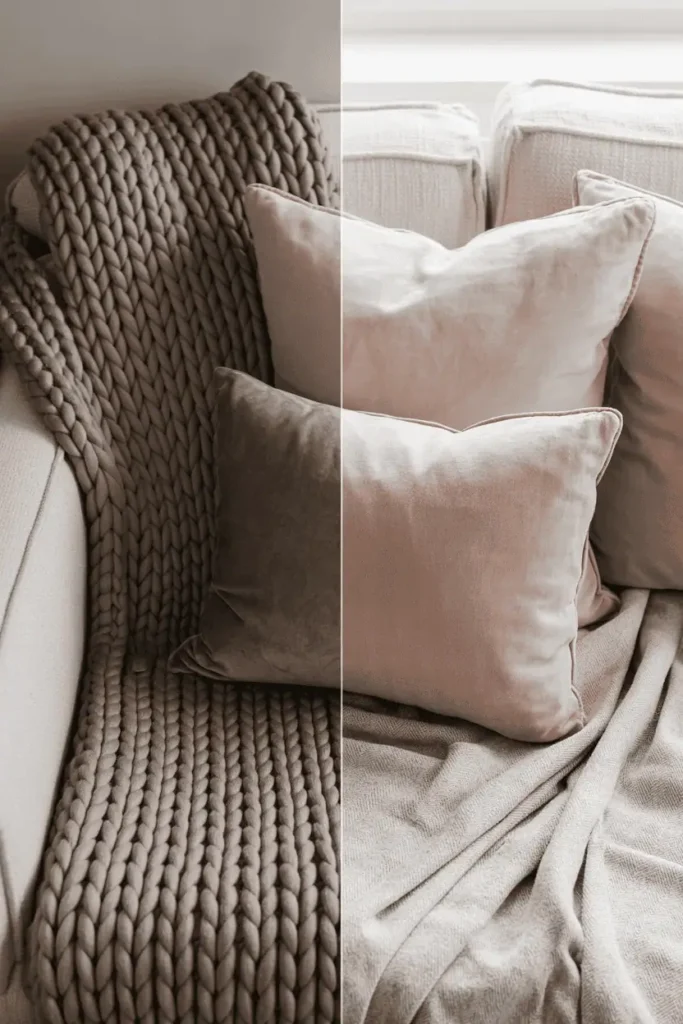
The fastest way to make a living room feel like spring is to swap out heavy textiles for lighter ones. Chunky knit throws, velvet pillows, and wool blankets served their purpose through winter, but now they can be stored until fall.
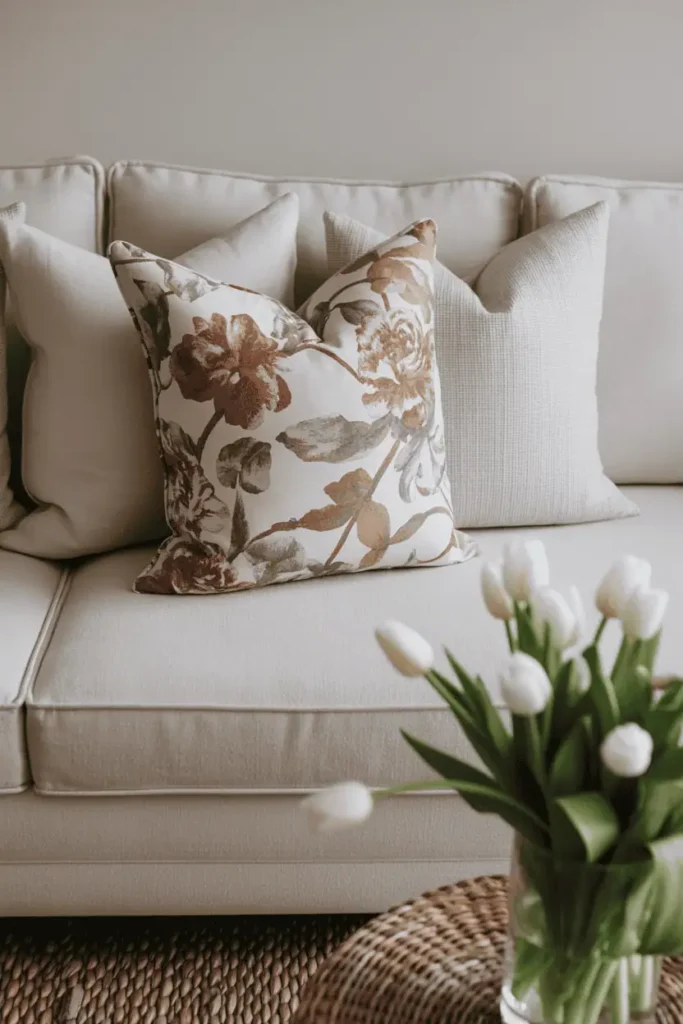
Replace them with linen, cotton, or lightweight linen-blend throws in soft neutrals or pastels. Linen naturally looks relaxed and breathable, which is exactly the mood spring calls for. If your couch has been layered with dark, textured pillows, swap a few out for lighter covers in cream, soft blue, blush pink, or natural beige.
You don't need to replace everything—just enough to shift the visual weight of the room. Keeping one or two neutral pillows from winter and mixing them with lighter spring tones creates continuity without feeling like you redecorated the entire space. The goal is balance, not a complete reset.
- Swap heavy knit throws for linen or cotton in light neutrals
- Replace dark velvet or wool pillow covers with cotton or linen in soft pastels
- Keep one or two foundational neutral pillows to ground the lighter additions
Rethink Your Coffee Table Styling
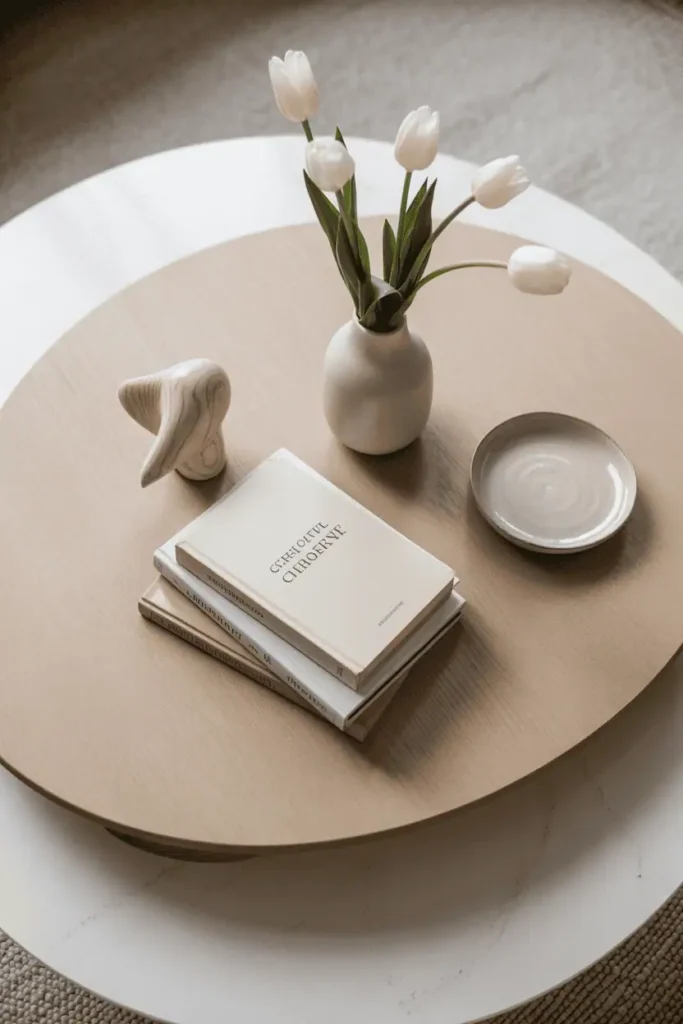
The coffee table is one of the easiest places to introduce spring without spending much or moving furniture. A few small changes here can shift the entire feel of the room because it's a surface your eye naturally lands on when you sit down.
Start by clearing off anything that feels cluttered or out of season—stacks of books that haven't been touched in months, heavy candles in dark vessels, or decorative objects that don't feel light. Then rebuild with intention: a small vase with fresh or faux stems, a ceramic dish, a few books with light-colored spines, and maybe a small sculptural object in natural materials like wood or stone.
Spring coffee table decor works best when it's minimal and functional. If you actually use the coffee table—for drinks, remotes, or feet—don't overload it. A single low arrangement of tulips or branches in a simple vessel can be enough to signal the season without turning the table into a display that's too precious to touch.
Quick styling tip: If fresh flowers aren't realistic for your routine, a bundle of dried eucalyptus or a faux stem in a ceramic vase lasts indefinitely and still brings in the soft, organic feeling spring asks for.
Bring in Fresh or Faux Greenery
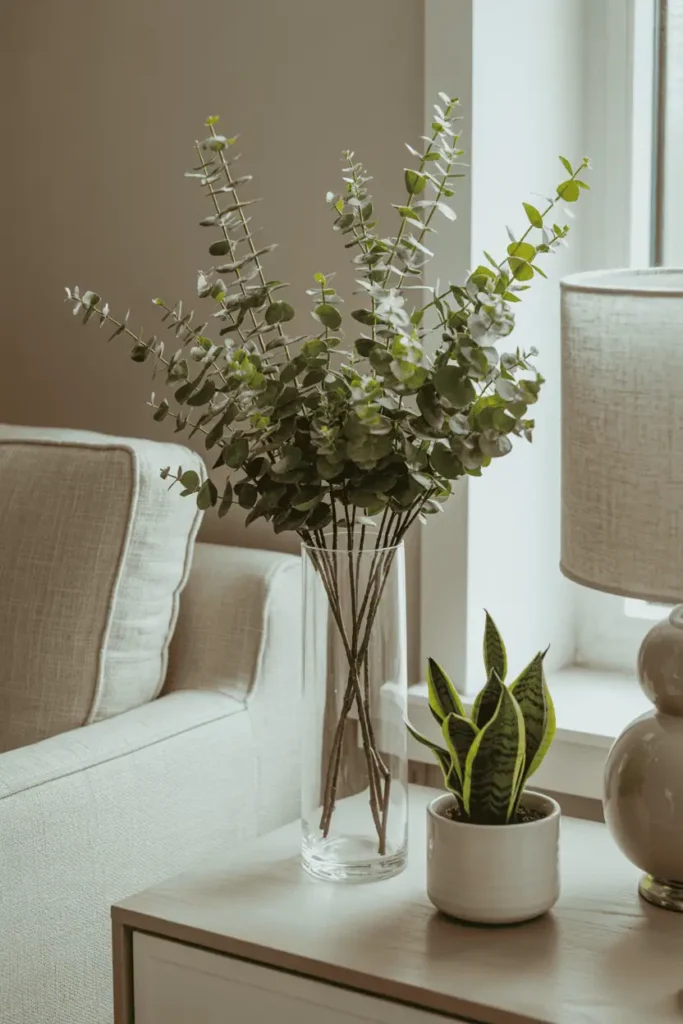
Greenery makes a room feel more alive, and spring is the most natural time to add it. Whether it's fresh flowers, potted plants, faux stems, or clippings from outside, green elements soften hard edges and bring a little bit of the outdoors in.
Tulips, daffodils, and ranunculus are all in season in spring and feel appropriate without being too literal. A single bunch from the grocery store, trimmed and placed in a simple vase, works just as well as something more expensive. If you prefer something longer-lasting, consider a small potted plant—a fern, a snake plant, or even fresh herbs like basil or rosemary in a ceramic pot.
Faux greenery has come a long way, and high-quality faux stems can look surprisingly real from a few feet away. Eucalyptus, olive branches, and monstera leaves are all easy to find and require zero maintenance. Place them in a tall vase on a side table, console, or mantel, and they do the work of making the space feel fresher without any upkeep.
- Use fresh tulips, daffodils, or ranunculus in simple ceramic or glass vases
- Add a small potted plant like a fern, pothos, or snake plant to a side table or shelf
- Try faux eucalyptus or olive branches for a low-maintenance option that lasts
Swap Out Heavier Artwork or Decor
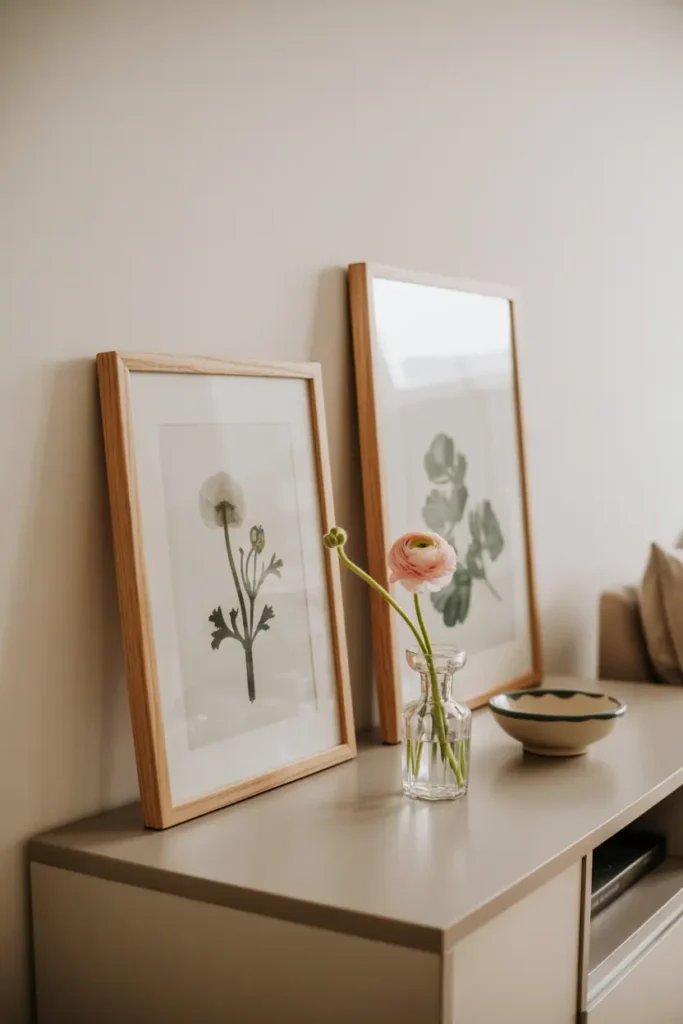
If your walls have been holding darker or heavier artwork through the colder months, consider rotating in something lighter for spring. This doesn't mean replacing every piece—just one or two swaps can change the tone of the room.
Look for prints or pieces with lighter backgrounds, softer colors, or airy compositions. Botanicals, line drawings, abstract pieces in pastels, or black-and-white photography all work well for spring. If you don't want to buy new art, you can also swap out frames—replacing dark wood or black frames with light wood, white, or natural oak frames lightens the visual weight.
Leaning art on a shelf or mantel instead of hanging it also makes the space feel more casual and easier to refresh seasonally. You can rotate pieces in and out without committing to nail holes or precise measurements, which makes experimenting with the look less permanent.
Let in More Natural Light
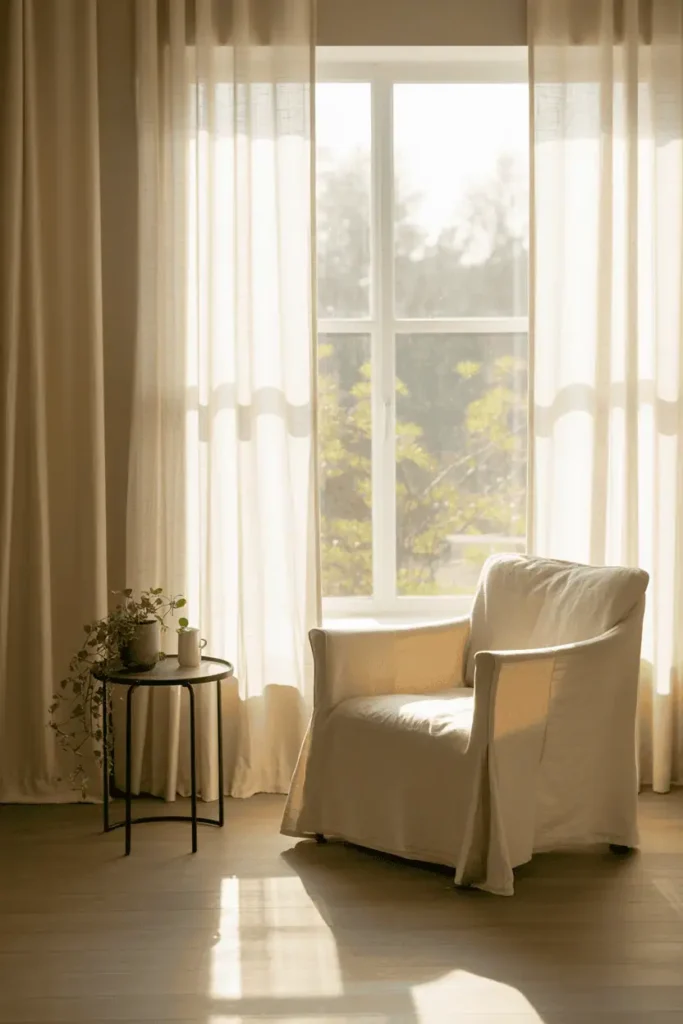
Spring light is different than winter light—it's brighter, warmer, and lasts longer into the evening. The easiest way to refresh a living room for spring is to let more of that light in.
If you've been using blackout curtains or heavy drapes to keep warmth in during winter, consider swapping them for lighter panels in sheer linen or cotton. These still offer privacy but let significantly more light filter through, which makes the whole room feel airier. If you don't want to change curtains entirely, just pull them further back during the day to maximize the light coming in.
Cleaning windows—inside and out—also makes a surprisingly big difference. Months of winter grime and condensation dull the light that comes through, and a quick wipe-down can make the room feel noticeably brighter. It's not glamorous, but it works.
Keep in mind: If your living room doesn't get much natural light, adding a mirror across from or adjacent to a window helps bounce what little light you do have around the room, which creates the illusion of more brightness.
Adjust Your Lighting for Longer Days
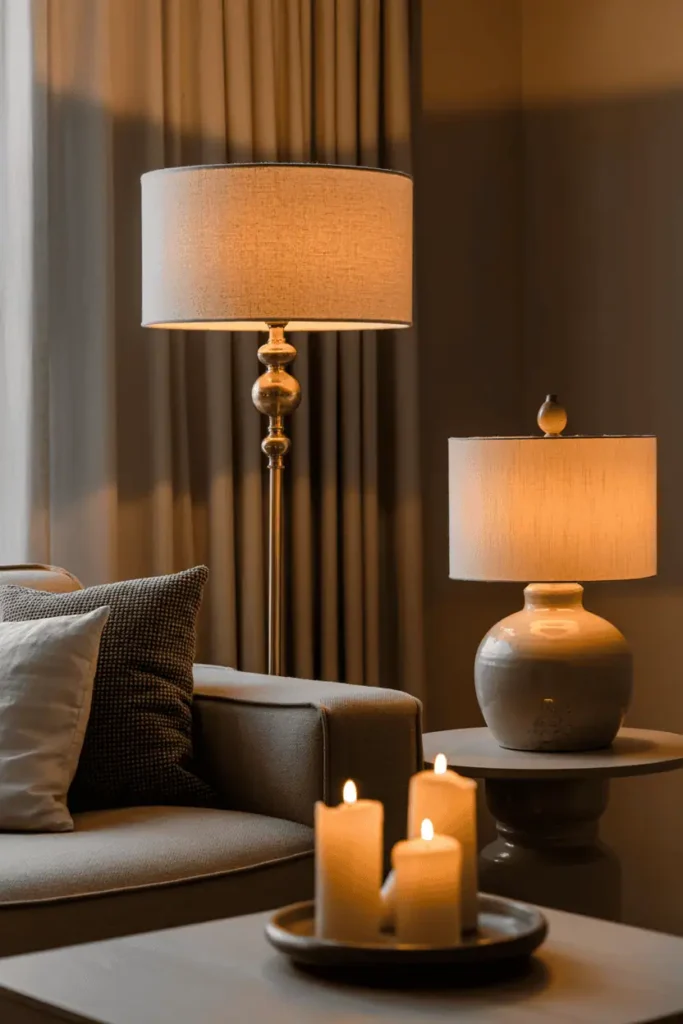
As the days get longer, the way you light your living room in the evening should shift too. Heavy, warm lighting that felt cozy in winter can start to feel too dim or cave-like once spring arrives.
Consider swapping out warm-toned bulbs for ones with a slightly cooler or more neutral temperature. You don't need bright white light, but moving from 2700K to 3000K can make the space feel fresher without feeling clinical. If you use table lamps or floor lamps, make sure they're giving off enough light for the longer, brighter evenings when the sun sets later.
Candles also shift seasonally. Heavier scents like cinnamon, pine, or amber feel out of sync with spring, so swap them for lighter options—citrus, linen, eucalyptus, or unscented candles in lighter-colored vessels. The shift is subtle, but scent affects the mood of a room more than most people realize.
- Swap warm bulbs (2700K) for neutral white (3000K) in key lamps
- Replace heavy-scented candles with lighter spring scents like citrus, linen, or eucalyptus
- Use candles in lighter vessels—clear glass, white ceramic, or natural terracotta
Incorporate Lighter Colors Without Repainting
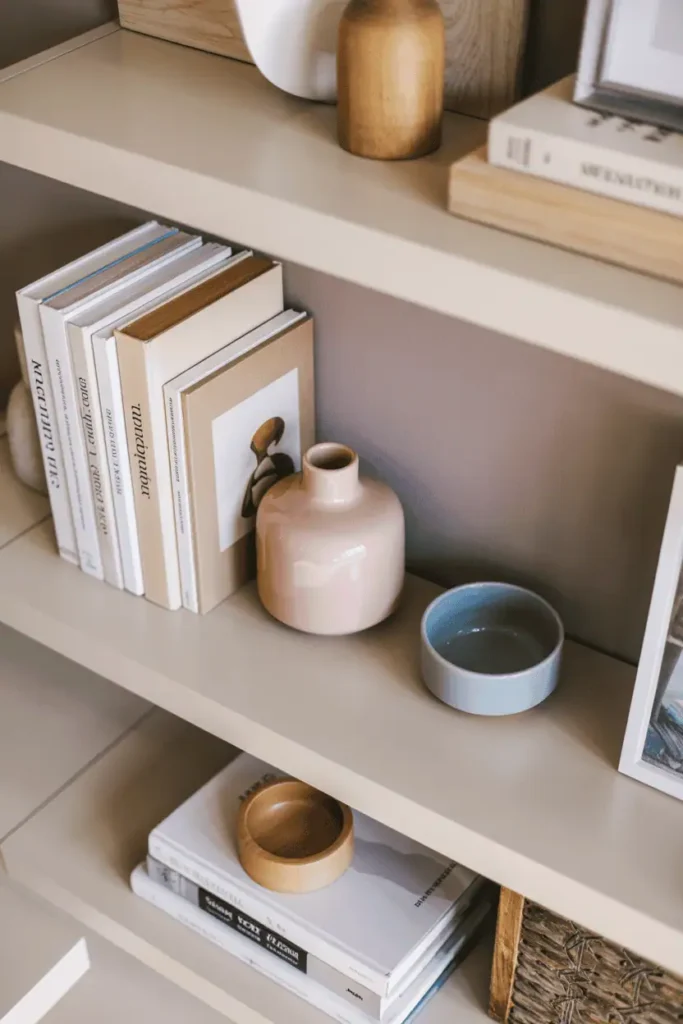
You don't need to repaint your living room to make it feel lighter for spring. Small color shifts through accessories, textiles, and decor do the work without the commitment or mess of paint.
If your room has been living in deeper tones—charcoal, navy, forest green—adding lighter accent colors through pillows, throws, or small decor pieces brings in spring without clashing. Soft blush, pale yellow, sky blue, mint green, and warm cream all feel seasonally appropriate and work well as accents even in rooms with darker base palettes.
Neutral spring decor also works beautifully if pastels aren't your style. Layering whites, creams, tans, and soft grays with natural textures like linen, rattan, and light wood creates a fresh, airy feeling without any color at all. This approach feels modern and calming, and it transitions easily into summer.
Refresh Your Shelves and Surfaces
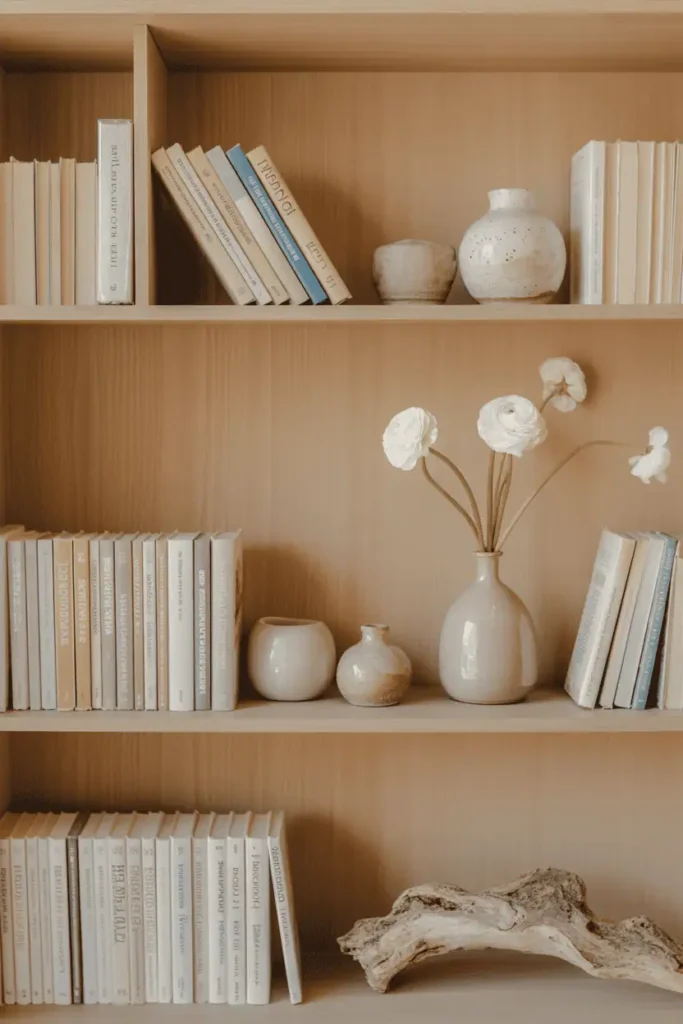
Open shelving, bookcases, and console tables are easy places to introduce spring without major effort. A small edit—removing a few items, rearranging what's left, and adding one or two seasonal touches—can make these surfaces feel more intentional.
Start by removing anything that feels heavy, dark, or out of season. Then style with a lighter hand: books with pale spines, small ceramic vessels, a single stem in a bud vase, or a piece of coral or driftwood. The key is editing down rather than adding more. Spring styling works best when there's breathing room.
If your shelves have been styled the same way for months, even just flipping the arrangement—moving taller items to the opposite side or swapping the top and bottom shelf styling—makes the space feel freshly considered.
Add Texture with Natural Materials
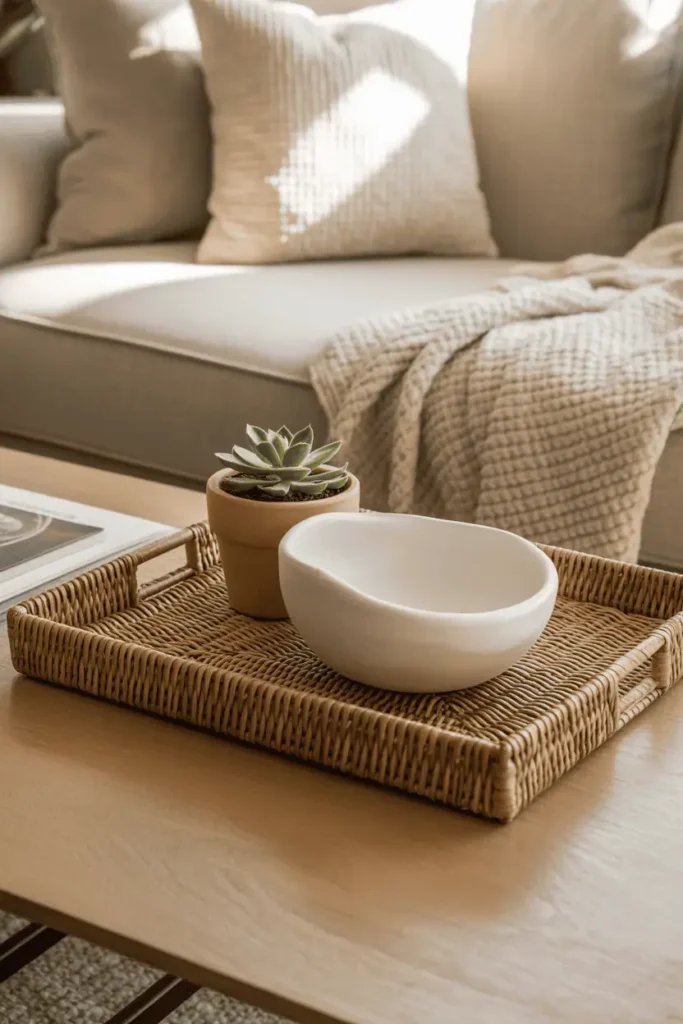
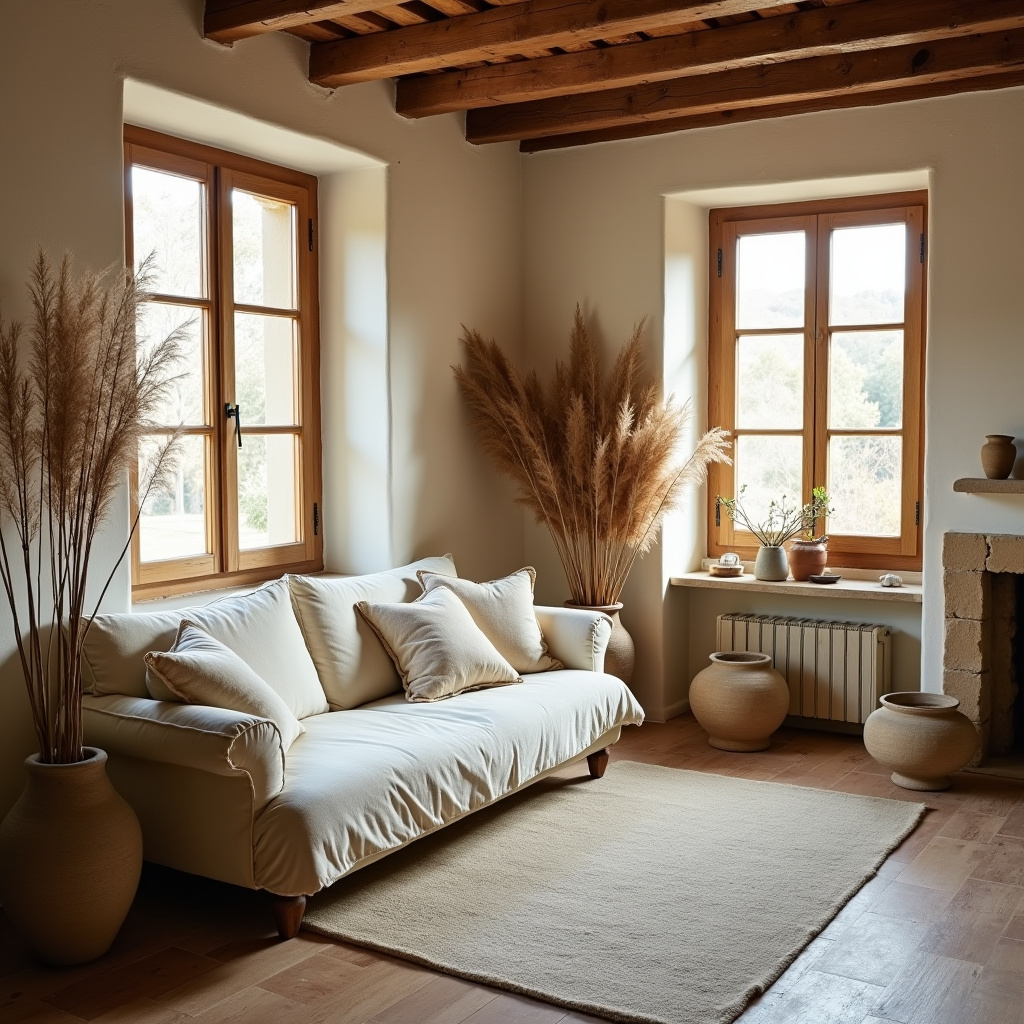
Spring decor doesn't need to be floral or pastel to feel seasonal. Natural materials—wood, rattan, linen, ceramic, stone—bring in the organic, grounded feeling of the season without being too literal.
A woven basket for throw blankets, a rattan tray on the coffee table, a ceramic vase, or a wooden bowl all contribute to a lighter, more textured aesthetic. These pieces work year-round, but they feel especially right in spring when the goal is to make a space feel less insulated and more connected to the outdoors.
Layering different textures—smooth ceramic next to nubby linen, polished wood next to rough stone—adds visual interest without adding clutter. It's a way to make the room feel more dynamic and thoughtfully put together without buying anything overly trendy or seasonal.
- Use woven baskets for blanket storage or as planters
- Add a rattan or wooden tray to corral coffee table items
- Incorporate ceramic vases, bowls, or sculptural objects in neutral tones
Consider Small Furniture Swaps
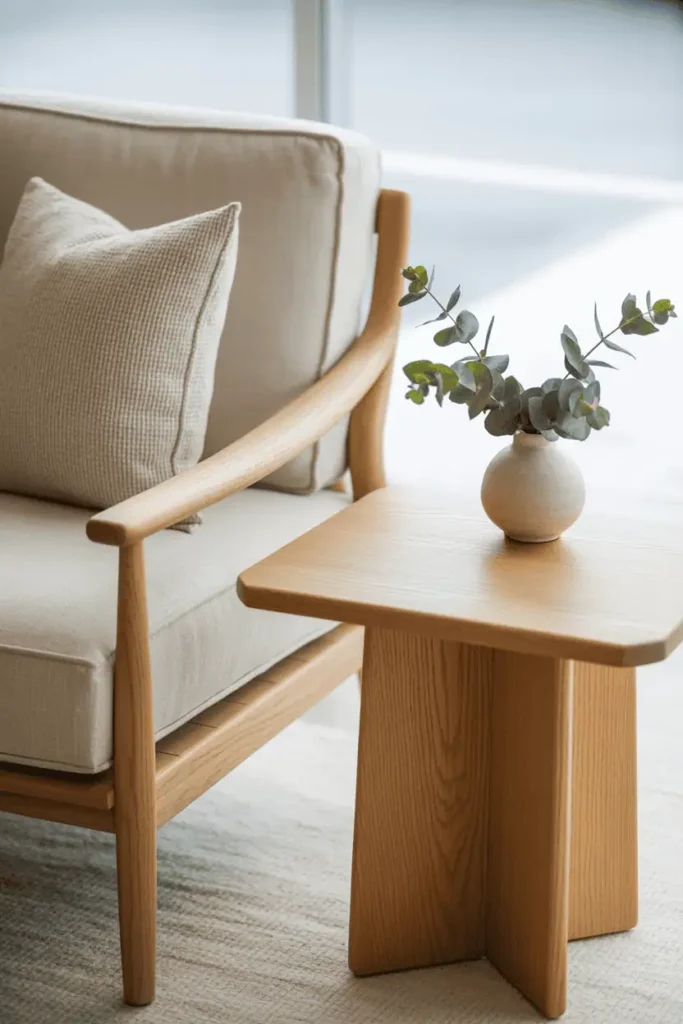
If you have the storage space and flexibility, swapping out one piece of furniture can make a big impact. This might mean bringing in a lighter-toned accent chair, replacing a dark wood side table with a lighter one, or switching a heavy ottoman for a woven pouf.
These swaps aren't necessary, but they're worth considering if you have pieces that feel too heavy or winter-specific. A light wood coffee table feels significantly different than a dark walnut one, even if the shape and size are identical. The same goes for upholstered furniture—switching out a charcoal slipcover for a cream or natural linen one can completely change the mood of a room.
If you don't want to swap furniture entirely, even just changing the angle or placement of a chair or side table can make the room feel different. Sometimes a refresh is less about what's in the room and more about how it's arranged.
Make Room for Airflow and Open Space
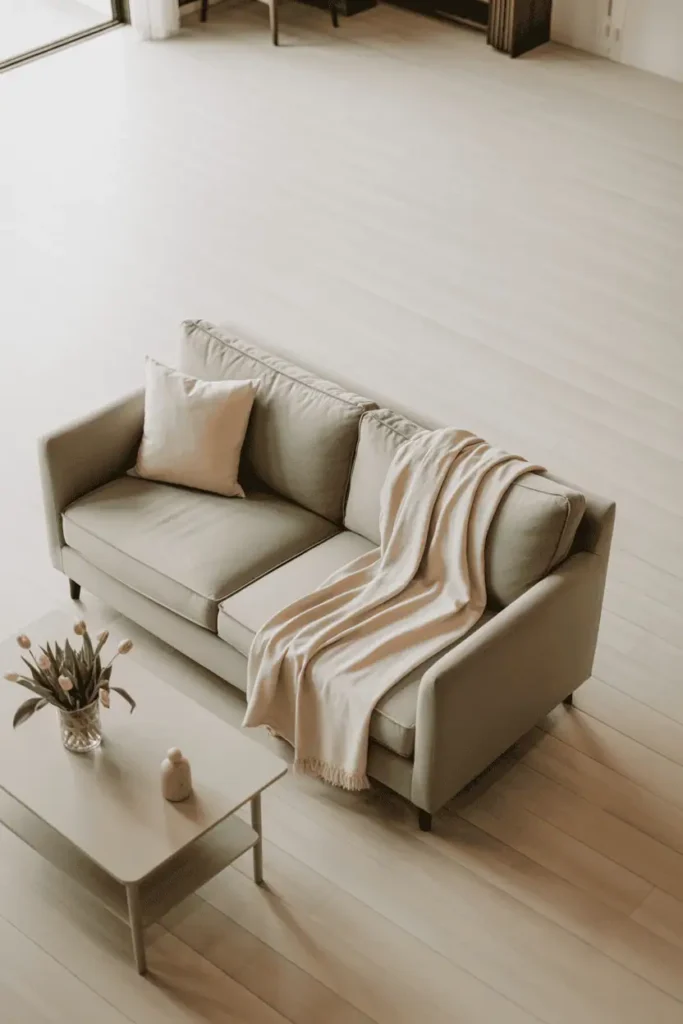
Spring is about lightness and airflow, which means the room should feel less packed and more open. If your living room has been feeling cramped or cluttered, now's the time to edit.
Remove anything that's not being used—extra chairs that nobody sits in, side tables that just collect mail, or decor that's taking up surface space without adding anything. The goal is to create a room that feels easy to move through and easy to breathe in, both literally and visually.
If you have rugs layered for warmth in winter, consider removing one or rolling up a smaller layering rug to expose more floor. More visible floor makes a room feel bigger and less insulated, which aligns with the openness spring brings.
Lean Into Spring Apartment Decor for Small Spaces
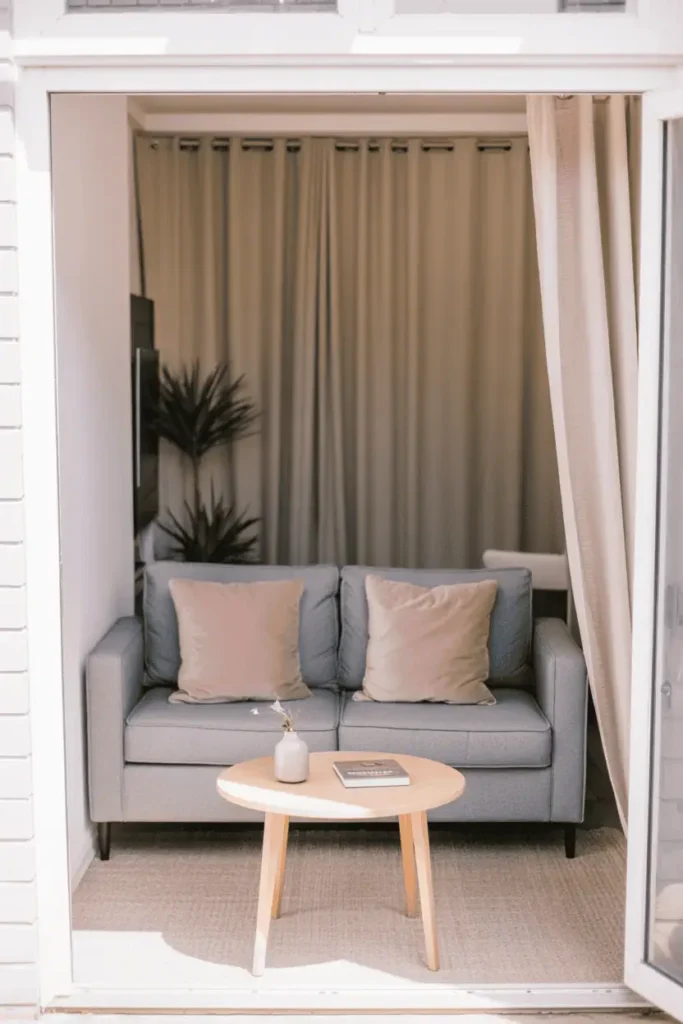
If you're working with a small living room or a studio apartment, spring refreshes need to be even more intentional. You don't have the square footage for lots of swaps, so each change needs to do more work.
Focus on textiles first—pillows, throws, and a lighter rug if you have one. Then add one or two green elements, like a small potted plant or a vase with faux stems. Finally, make sure the room is getting as much natural light as possible by keeping window treatments minimal and reflective surfaces clean.
In small spaces, editing down is just as important as adding. Remove anything that feels seasonal from another time of year, and resist the urge to over-decorate. A few well-chosen spring touches will have more impact than a room full of small seasonal items that make the space feel cluttered.
Quick styling tip: In tight spaces, vertical styling works better than horizontal. A tall vase with branches, a floor plant in the corner, or art hung higher on the wall draws the eye up and makes the room feel taller and less cramped.
Think About What Stays Into Summer
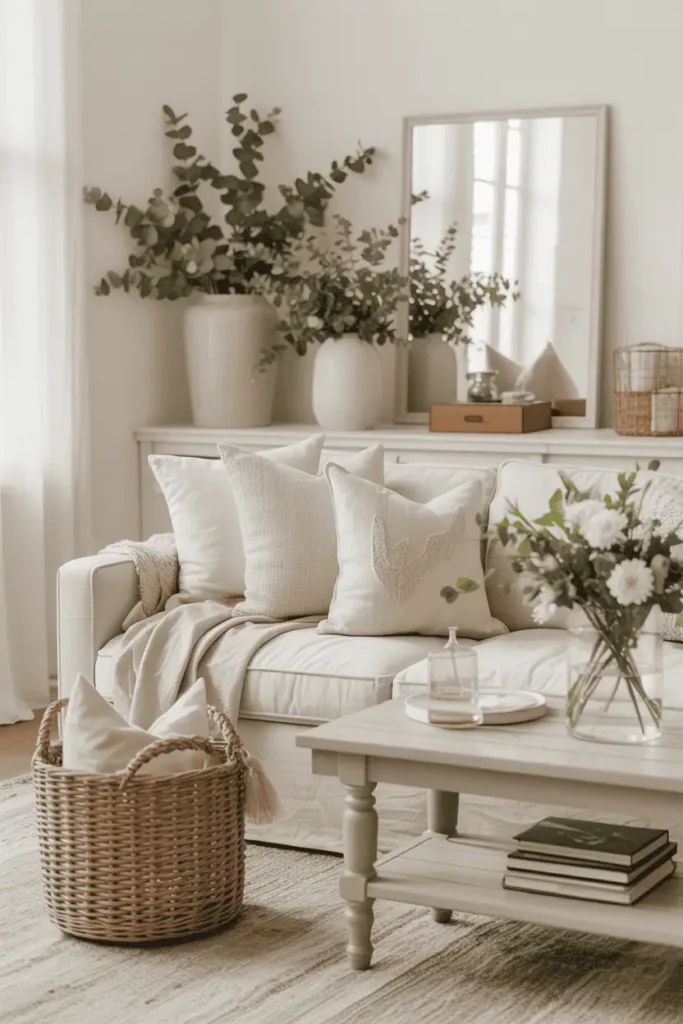
One of the smartest ways to approach a spring living room refresh is to choose updates that can carry into summer without needing another swap. Neutrals, natural materials, and lighter textiles all work for both seasons, which means less work and less storage.
Avoid anything too Easter-specific or too pastel-heavy if you want the look to last. Instead, lean into soft neutrals, greens, and blues that feel fresh in spring but won't look out of place in June or July. This approach is easier on your budget and your schedule, and it keeps the room feeling cohesive rather than constantly shifting.
Summer living room decor is often just a slightly brighter, slightly airier version of spring, so if you start with a neutral, natural base now, you'll only need to make tiny tweaks as the weather warms up.
Edit Seasonal Decor from Other Holidays
If your living room still has lingering touches from winter holidays or Valentine's Day, spring is the time to put them away. Even small remnants—red candles, dark greenery, metallic accents—can make a space feel out of sync with the season.
Do a quick sweep of the room and remove anything that feels tied to a specific holiday or the colder months. This might include heavy decorative objects, dark candles, faux snow or pinecones, or anything in deeper jewel tones. Clearing these out makes room for the lighter, fresher elements you're bringing in.
This editing process is just as important as adding new things. A room that's holding onto the past season won't feel fully refreshed no matter how many spring touches you layer in.
Avoid Overdoing Florals
Floral living room decor is a natural fit for spring, but it's easy to overdo. Too many floral pillows, floral art, floral throws, and floral arrangements can make a room feel more like a set than a real living space.
The trick is to choose one or two places to bring in florals and keep the rest neutral. If you're using fresh flowers on the coffee table, skip the floral pillows. If you love a floral print on a throw pillow, keep the rest of the textiles solid. This creates balance and keeps the room from feeling too themed or overly decorated.
Florals work best when they're subtle and integrated into a broader neutral palette. A single floral accent against a backdrop of creams, whites, and natural textures feels intentional. A room full of competing floral patterns feels chaotic.
When to Start and How Long It Lasts
Spring living room refresh ideas can be introduced as early as late February or early March, depending on where you live and when the weather starts to shift. You don't need to wait for a specific date—if it feels like time to lighten things up, it probably is.
These updates typically carry through April, May, and into early June before transitioning into summer. Most of what you do for spring—lighter textiles, natural materials, fresh greenery—works just as well in summer, so you're not looking at another full refresh in a few weeks.
The key is not overthinking the timing. If your space still feels heavy and you're craving something lighter, that's your cue to start making small changes.
Budget-Friendly Spring Living Room Ideas
A spring refresh doesn't require a big budget. In fact, some of the most effective changes cost little to nothing: rearranging furniture, editing surfaces, swapping out pillow covers you already own, or bringing in branches from outside.
If you are spending, prioritize a few new pillow covers over new pillows, faux stems over fresh flowers every week, and affordable finds like thrifted vases or secondhand art over brand-new statement pieces. Simple spring decor is often the most effective, and simplicity doesn't require spending much.
- Swap pillow covers instead of buying new inserts
- Use clippings from your yard or neighborhood instead of buying flowers
- Shop thrift stores for light-colored vases, bowls, and ceramics
- Rearrange what you already have before buying anything new
The Difference Between Minimal and Layered Spring Styling
There are two main approaches to spring living room styling: minimal and layered. Minimal focuses on editing down, keeping surfaces clear, and letting a few key pieces do all the work. Layered embraces texture, multiples, and a fuller, more collected look.
Neither is better—it's about what feels right for your space and your style. Minimal works well in small apartments, modern spaces, or homes where simplicity feels calming. Layered works in larger rooms, traditional spaces, or homes where abundance feels inviting rather than cluttered.
If you're not sure which direction to go, start minimal and add from there. It's easier to layer in more than it is to edit down once you've overcommitted.
A spring living room refresh doesn't need to be complicated, expensive, or time-consuming. It's about noticing what no longer feels right for the season and making small, intentional adjustments—swapping textiles, lightening color, bringing in greenery, and letting in more light. These changes are subtle, but they shift the entire mood of the room, making it feel aligned with the season outside rather than stuck in the heaviness of winter.
The best refreshes are the ones that feel easy to live with, not like a room styled for a photo shoot. If the space feels lighter, more breathable, and more like a place you actually want to spend time, you've done it right. And if you're looking for more ways to bring spring into other parts of your home—entryways, bedrooms, or kitchens—there are plenty of small, approachable updates that follow the same principles without requiring a full redesign.