The first warm morning of March changes everything. You open the windows before your coffee is ready, and suddenly the air smells different—lighter, less stale. The rooms you've lived in all winter feel too heavy now, cluttered with throws and closed curtains and the weight of months spent indoors.
Spring decorating isn't about buying new things as much as it's about letting your home breathe again. It's about swapping velvet for linen, clearing surfaces that have accumulated too much, and bringing in branches before the flowers are even ready. The light is different now, and your rooms should feel different too.
This year's spring home decor trends lean toward simplicity with small, intentional touches. There's less pressure to redecorate entirely and more focus on refreshing what you already have—editing down, lightening up, and making space for the season to come in naturally.
Pale Greens That Actually Work in Real Rooms
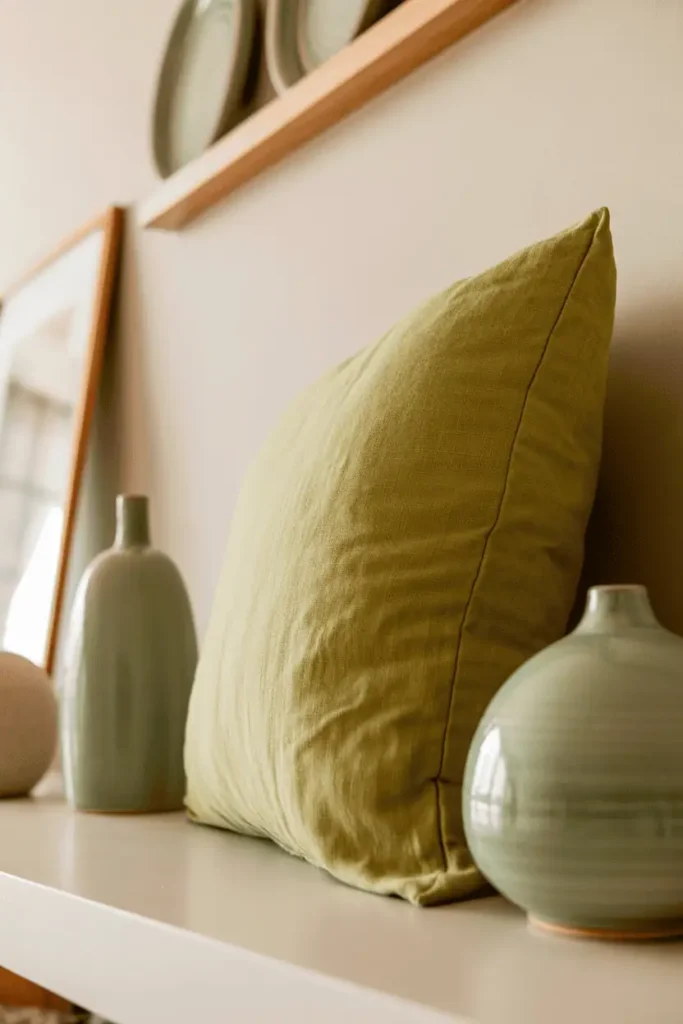
Soft sage and celadon tones have replaced the brighter greens of past springs. These colors work because they're neutral enough to layer into existing spaces without requiring a full room redo.
Think linen pillow covers in dusty sage, not paint commitments. A single vintage green vase on a kitchen shelf or a set of pale green dinner plates displayed on open shelving can shift the entire mood of a room. These shades pair well with warm woods, aged brass, and the kind of worn whites that already exist in most homes.
The key is using green as an accent, not a theme. One or two thoughtful pieces feel intentional. Five green items in one room starts to feel forced.
Bringing Branches Indoors Before Blooms Arrive
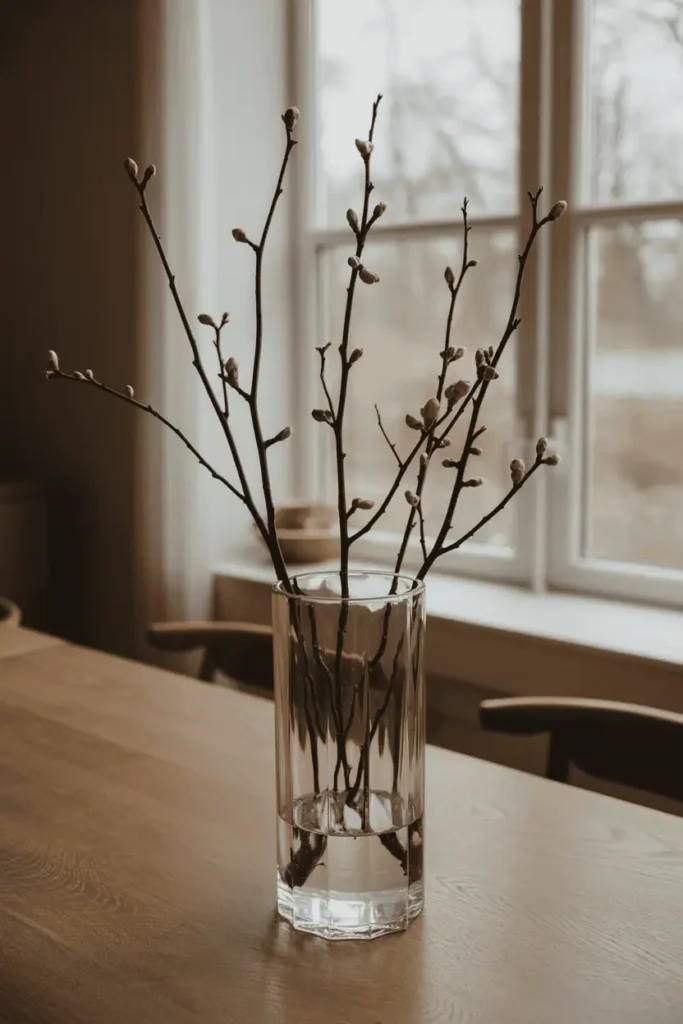
Early spring is about anticipation, and bare branches reflect that better than forced florals. Budding quince, forsythia, and pussy willow branches bring shape and movement without the maintenance of fresh flowers.
Place them in simple clear glass vases or vintage crocks—nothing fancy. The beauty is in their natural form, the way they catch light, and how they change as buds slowly open over the course of a week or two. This approach feels more organic than buying supermarket bouquets every few days.
Branches also work in larger spaces where flowers might feel too small. A tall arrangement in a corner or on a dining table fills vertical space and draws the eye upward, making rooms feel taller and less closed-in after winter.
Linen Everywhere, But Make It Practical
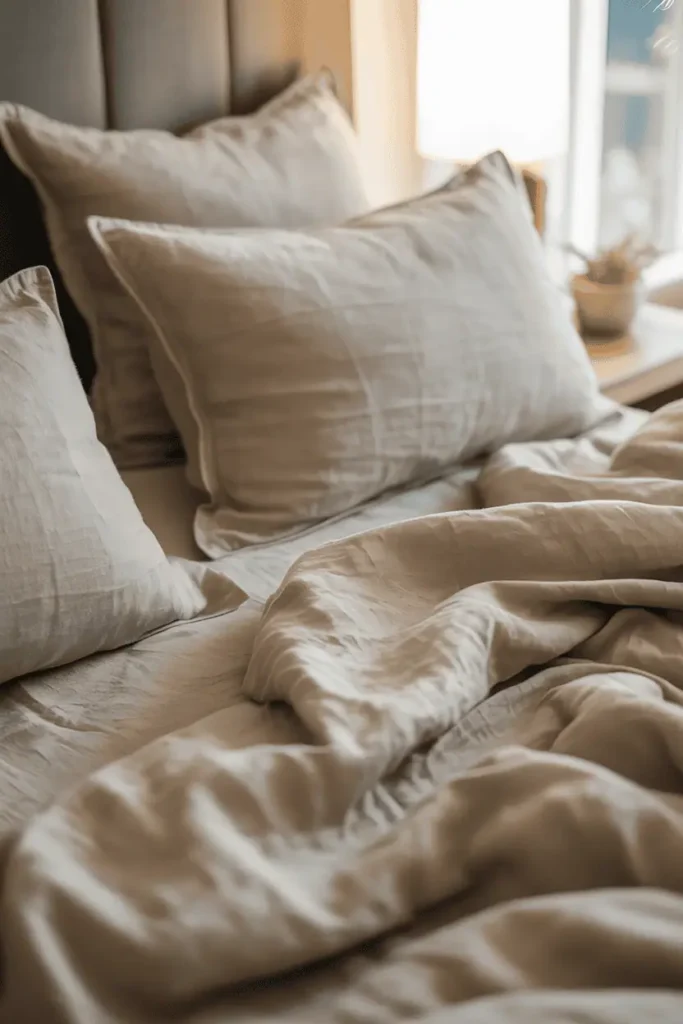
Linen has staying power because it actually improves with use. Unlike synthetic fabrics that pill or fade, linen softens and relaxes over time, which makes it ideal for spring when you want rooms to feel less structured.
Swap heavy throw pillows for linen covers in natural tones—oatmeal, warm white, soft gray. Replace winter bedding with a lightweight linen duvet cover that you can layer or strip back as temperatures shift. Even swapping out one set of cotton dishtowels for linen versions changes how a kitchen feels.
The wrinkled texture is part of the appeal, so there's no need to iron anything. It's meant to look lived-in, which makes it forgiving for homes with kids, pets, or anyone who doesn't want to fuss over perfectionism.
Vintage Finds That Add Character Without Clutter
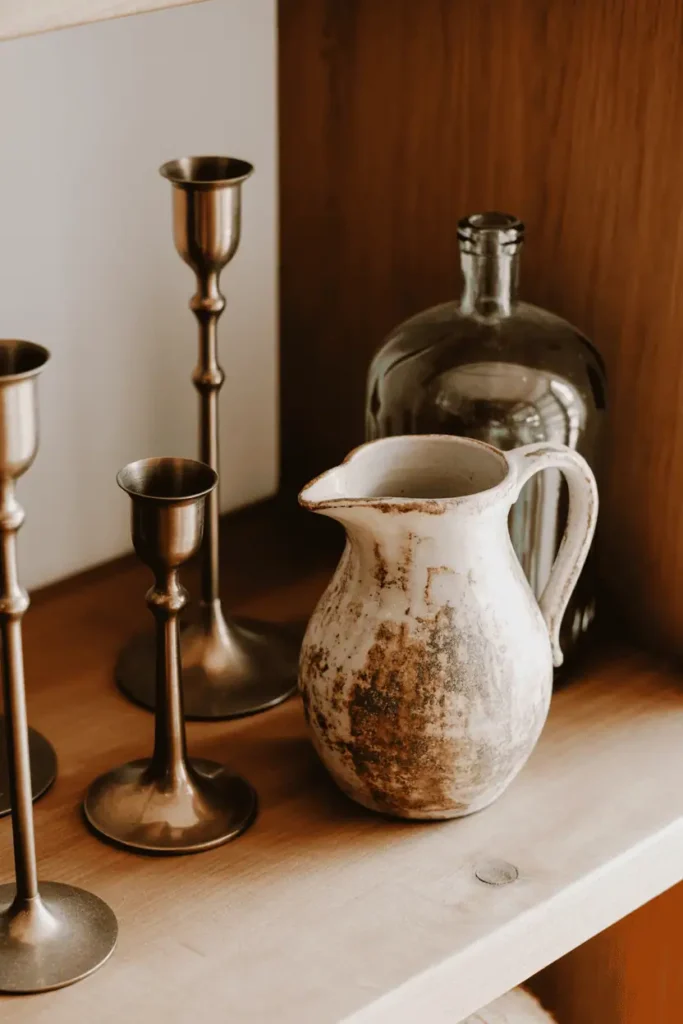
Thrifted and vintage decor items work well in spring because they bring warmth and history without the sterile feeling of brand-new mass-produced pieces. Look for items with patina—brass candlesticks, ceramic pitchers, wooden bowls, old glass bottles.
These pieces don't need to match. In fact, they shouldn't. The appeal is in their individuality and the way they make a space feel collected over time rather than decorated all at once. A single vintage item on a bookshelf or mantel can anchor an entire vignette.
Avoid overcrowding. Vintage decor works best when there's breathing room around each piece, so you can actually see and appreciate the details.
Clearing Surfaces to Let Light Move Through Rooms
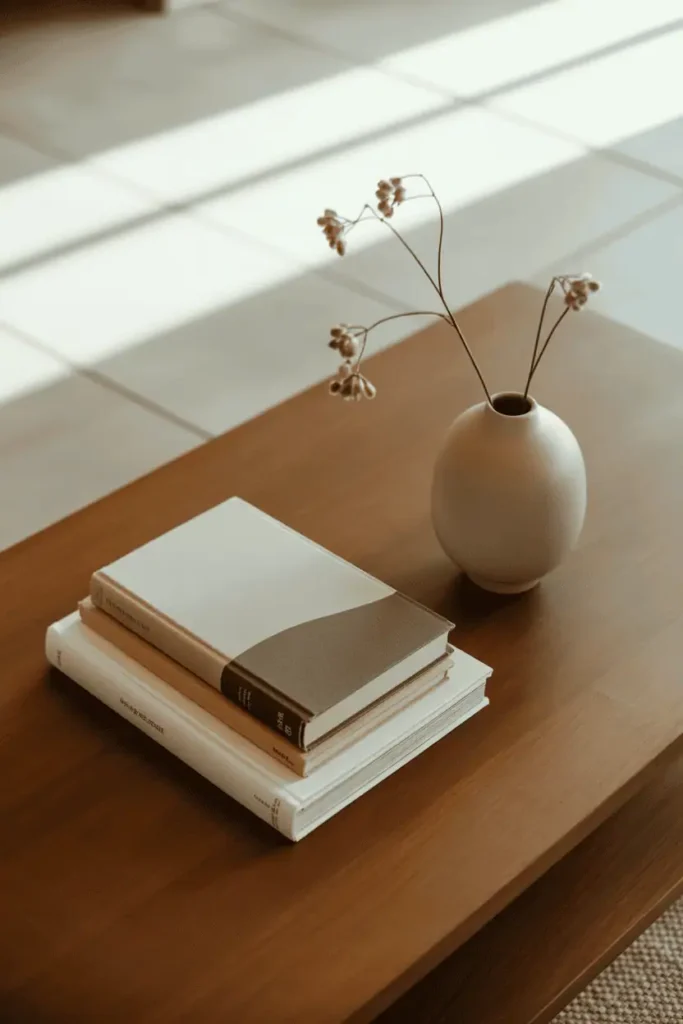
Spring decorating is as much about what you remove as what you add. Surfaces that were layered with candles and cozy objects all winter often need editing down to just one or two meaningful pieces.
Clear your coffee table almost entirely. Leave a small stack of books and maybe a simple vase. Strip your mantel back to a mirror, a single candlestick, and one organic element like a potted plant or branch arrangement. Let your kitchen counters show more empty space.
This isn't about minimalism for its own sake. It's about making room for natural light to land on surfaces and reflect around the room. The more open your horizontal spaces, the lighter your home will feel.
Swapping Dark Textiles for Lighter Neutrals
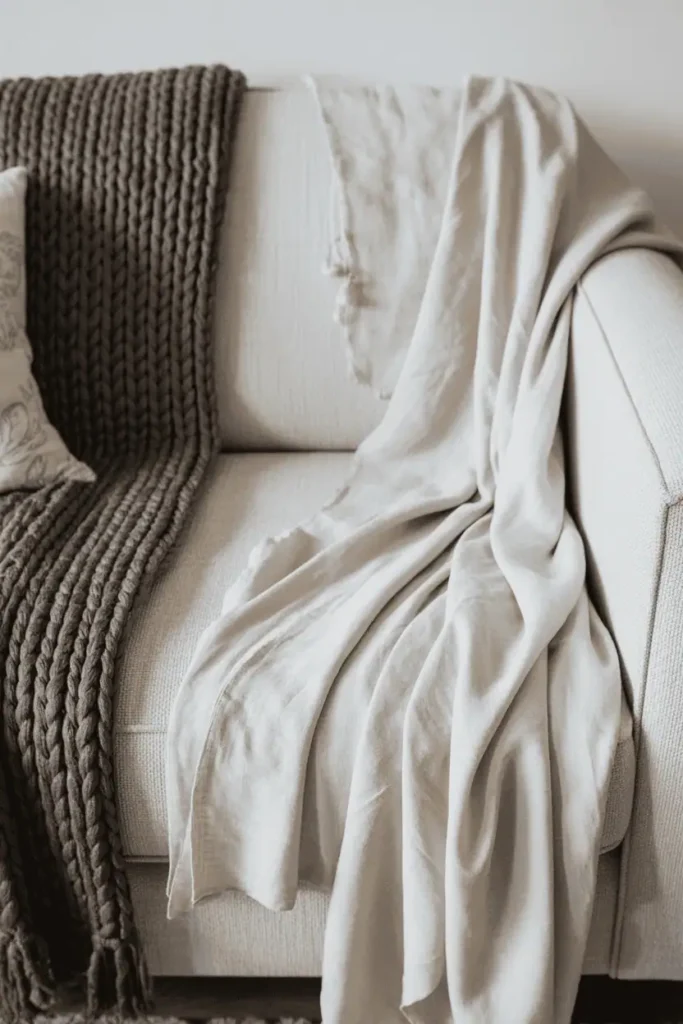
Heavy textures that felt necessary in January start to weigh rooms down by late March. Trading out darker throws, pillow covers, and rugs for lighter versions shifts the entire energy of a space.
You don't need all-white everything. Warm neutrals—sand, cream, pale taupe—still feel grounded but allow more light to bounce around. A light cotton or linen throw in place of a chunky knit blanket makes a sofa feel less wintery without sacrificing comfort.
Rugs are harder to swap seasonally, but if you have a darker wool rug, consider rolling it up and switching to a jute or sisal option for the warmer months. The texture stays interesting, but the overall lightness changes how the room reads.
Simple Vignettes That Tell a Quiet Story
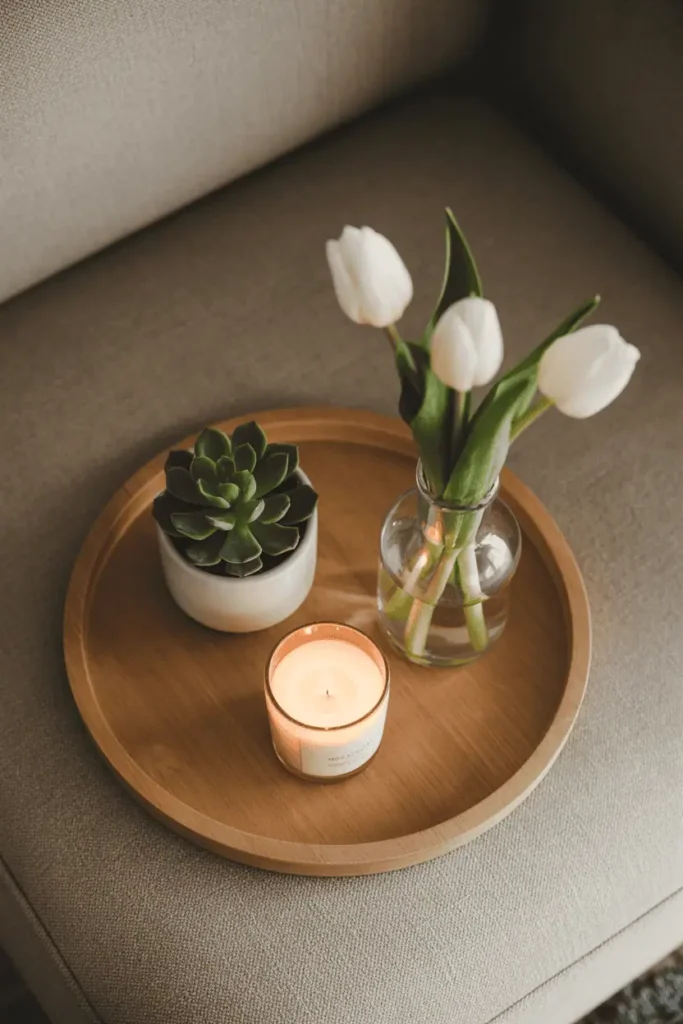
A vignette is just a small, intentional arrangement—a tray on an ottoman, a corner of a bookshelf, the top of a dresser. Spring vignettes work best when they feel edited and calm, not overly styled.
Start with a tray or cutting board as your base. Add a small plant, a candle, and one organic element like a smooth stone or a few stems in a bud vase. That's enough. The goal is to create a small moment of beauty that doesn't demand constant attention or rearranging.
Change vignettes slowly over the season rather than all at once. Swap the candle scent, replace dried stems with fresh ones, or rotate in a different book. Small shifts keep things feeling current without requiring a full reset every week.
Scent Layering That Feels Natural, Not Synthetic
Spring scent should feel airy and green, not heavy or sweet. Swap out winter candles for lighter options—linen, eucalyptus, white tea, or unscented altogether if you prefer clean air.
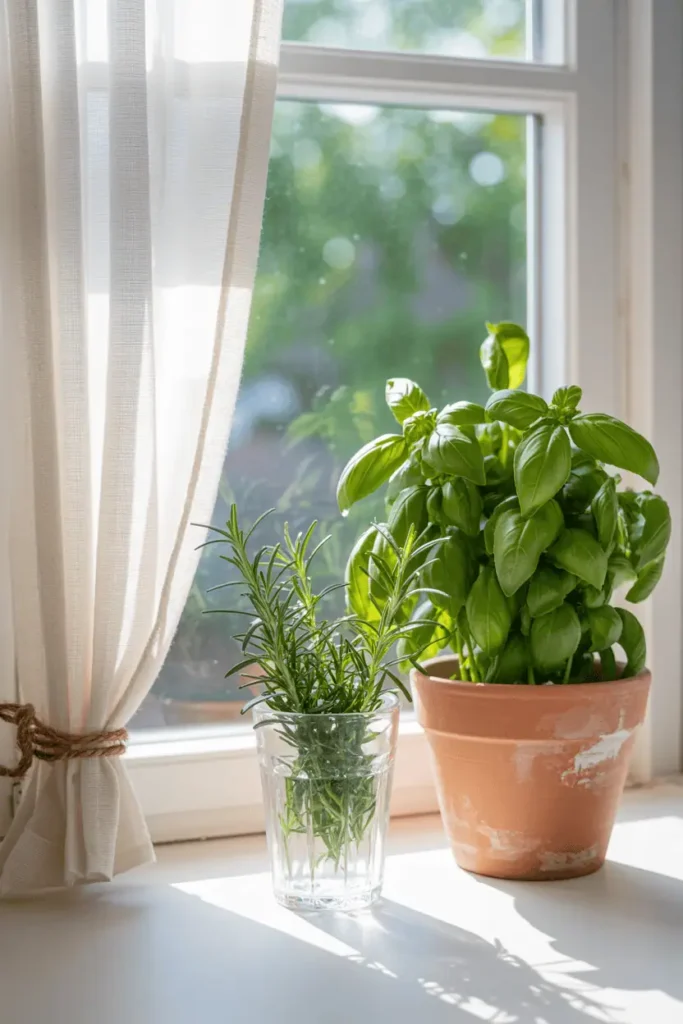
Fresh herbs in the kitchen do more for scent than most candles. A pot of basil on a windowsill or a bundle of rosemary in a vase brings fragrance that shifts naturally throughout the day. Opening windows early in the morning and letting fresh air move through rooms resets everything better than any product.
If you do use candles, keep them unlit during the day and burn them only in the evening. The visual presence of a candle in a simple holder contributes to the calm, even when it's not lit.
Rethinking Window Treatments for More Natural Light
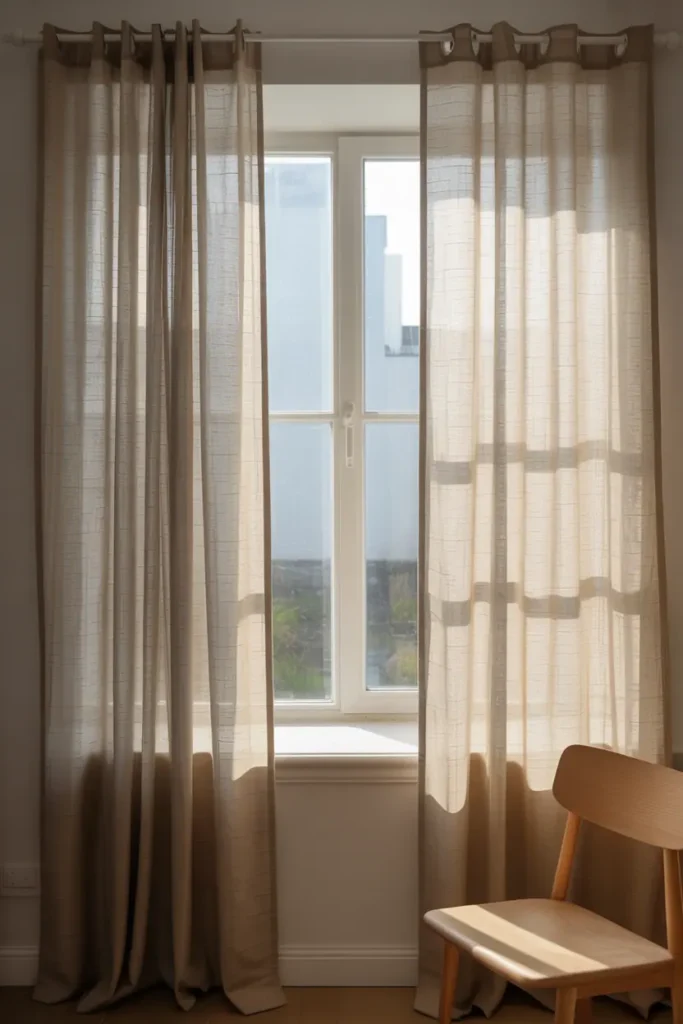
Heavy curtains that helped insulate windows in winter often block too much light once spring arrives. If you can, switch to lighter fabrics or open curtains fully during the day.
Sheer linen panels filter light without cutting it off entirely. They offer privacy while still letting rooms feel bright and open. If privacy isn't a concern, consider removing curtains altogether for a few months and letting bare windows become part of the aesthetic.
Wooden blinds or simple roller shades in natural materials work well if you need something functional but minimal. The goal is to let as much daylight in as possible without sacrificing comfort.
Greenery That Requires Minimal Effort
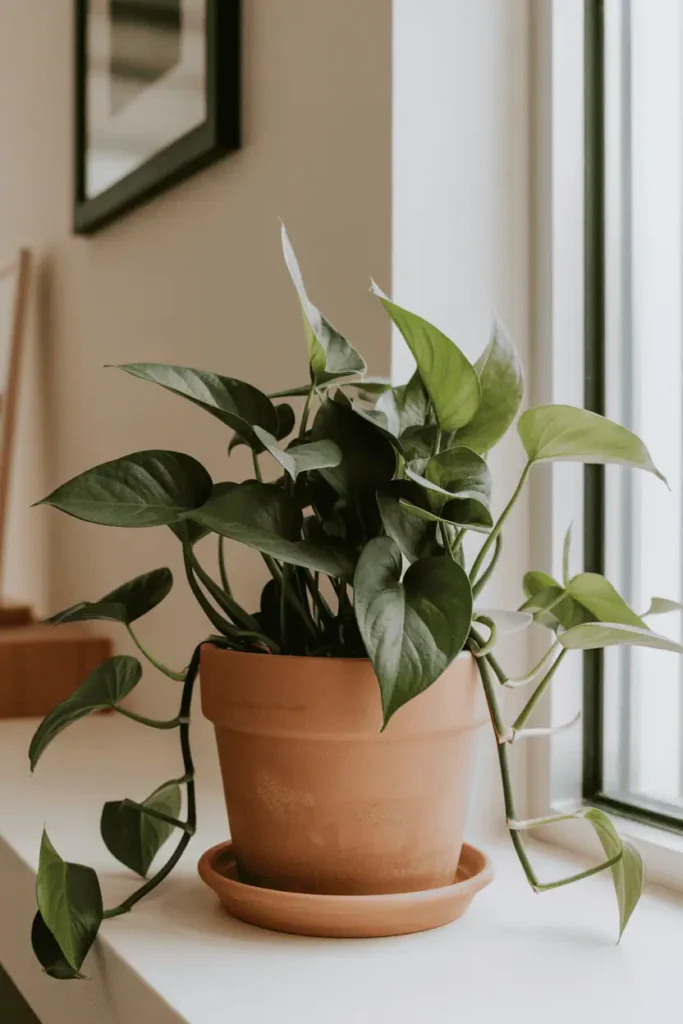
Not everyone has the time or skill for high-maintenance plants, and spring decor doesn't require them. Stick with easy, forgiving options that improve air quality and add life without constant attention.
Pothos, snake plants, and philodendrons tolerate neglect and low light. Place them in simple terracotta pots or ceramic planters in neutral tones—nothing too decorative. A single large plant in a corner has more impact than several small ones scattered around.
If you struggle with living plants, high-quality faux stems in a vase can work, but choose realistic options and keep arrangements simple. Overdo it and the space starts to feel staged rather than lived-in.
Ceramic and Stoneware Over Glass and Metal
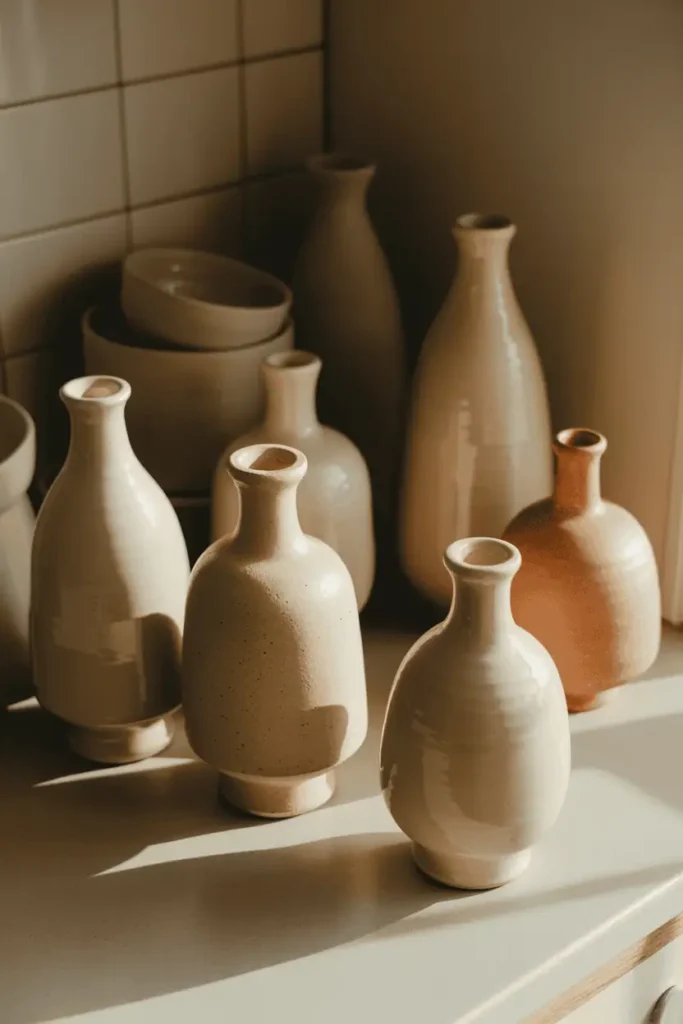
Spring tables and shelves feel warmer when they incorporate natural, earthy materials. Ceramic vases, stoneware bowls, and terracotta pots bring texture and weight without feeling heavy.
These materials age beautifully. A chip or crack adds character rather than ruining the piece. They also photograph well in natural light, which matters if you're sharing your space on social media or just want rooms that feel good to be in.
Mix finishes—matte and glossy, smooth and textured. A handmade ceramic pitcher next to a smooth stoneware bowl creates visual interest without needing additional styling.
Editing Bookshelves to Feel Less Crowded
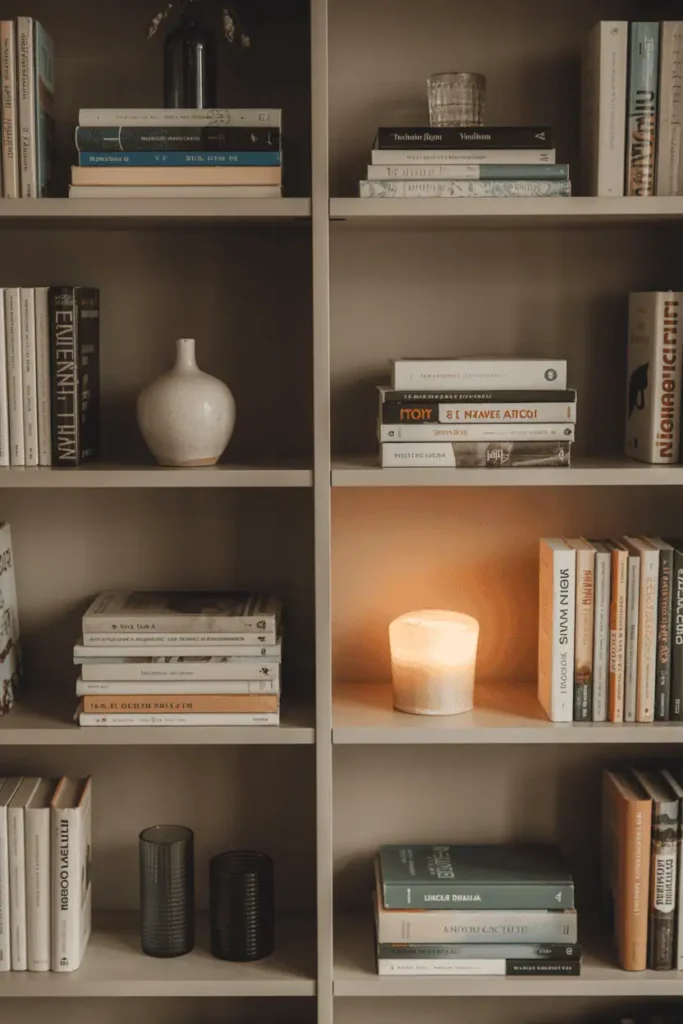
Overstuffed bookshelves can make a room feel cluttered even when everything else is clean. Spring is a good time to edit down, remove books you won't reread, and create space for decor items to breathe.
Leave gaps between book stacks. Place a small vase, a candle, or a simple object on every other shelf. Turn some books horizontally to break up the visual rhythm. The goal is to make the shelving feel intentional rather than like storage.
If you have too many books to edit, consider rotating what's on display. Store some in baskets or boxes and swap them out seasonally. This keeps shelves from feeling static and gives you a reason to revisit books you've forgotten about.
Neutral Florals That Don't Feel Overly Romantic
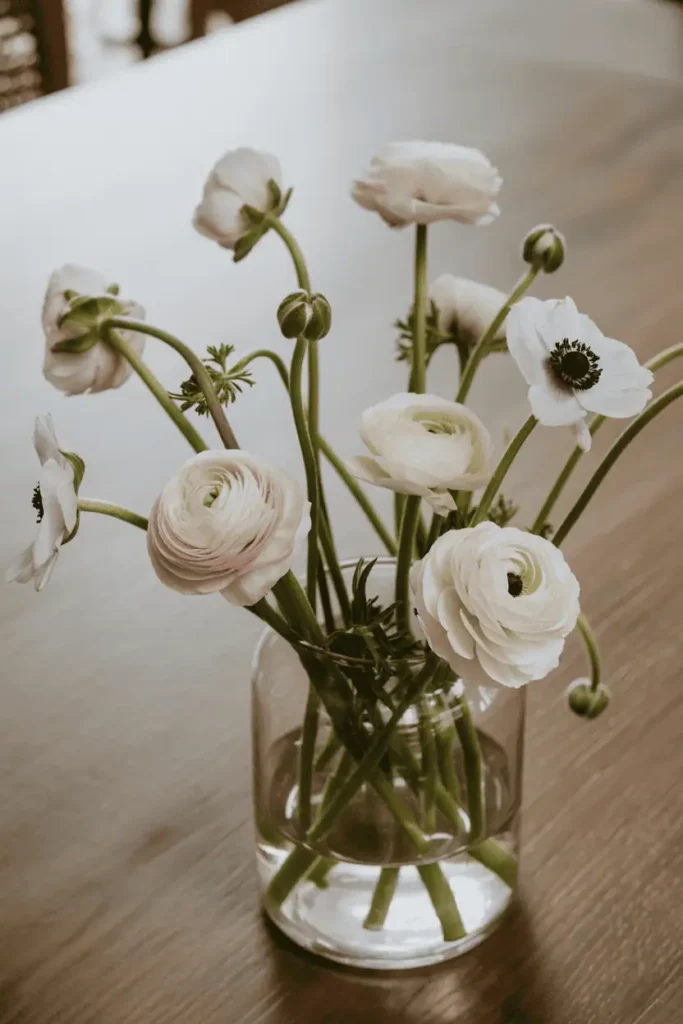
White and cream flowers work better than bright colors for modern spring spaces. Tulips, ranunculus, and anemones in soft tones feel elegant and understated, especially in simple glass or ceramic vessels.
Arrange them loosely rather than in tight, formal bouquets. Let stems show, and don't worry about symmetry. The imperfection is part of the appeal and keeps arrangements from feeling too precious or untouchable.
Change water every few days and trim stems to extend their life. Even as they begin to fade, there's beauty in the way petals drop and colors soften. Let them age naturally rather than tossing them the moment they stop looking perfect.
Lightweight Throws That Still Feel Cozy
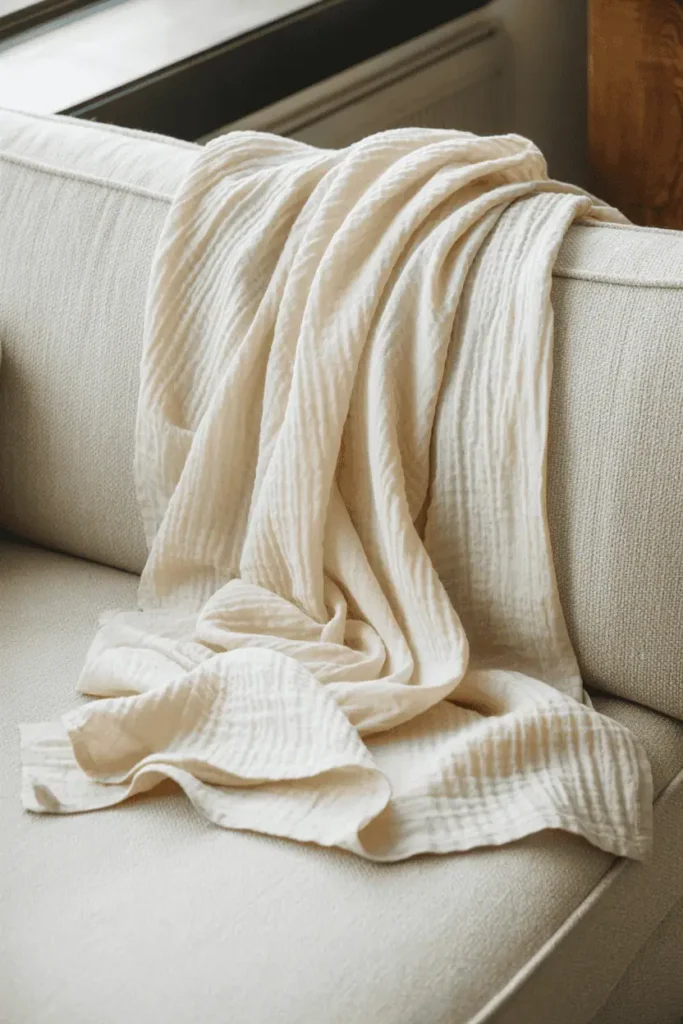
You don't need to eliminate all softness just because it's warming up. Lightweight cotton or linen throws in neutral tones provide comfort without the heaviness of wool or fleece.
Drape one over the arm of a sofa or the foot of a bed. The texture adds warmth and visual interest without making the space feel too layered. These throws also work as impromptu picnic blankets or outdoor seating layers when the weather allows.
Choose colors that blend with your existing palette rather than standing out. The throw should feel like a natural part of the room, not a seasonal accessory that announces itself.
Rattan and Woven Accents for Texture
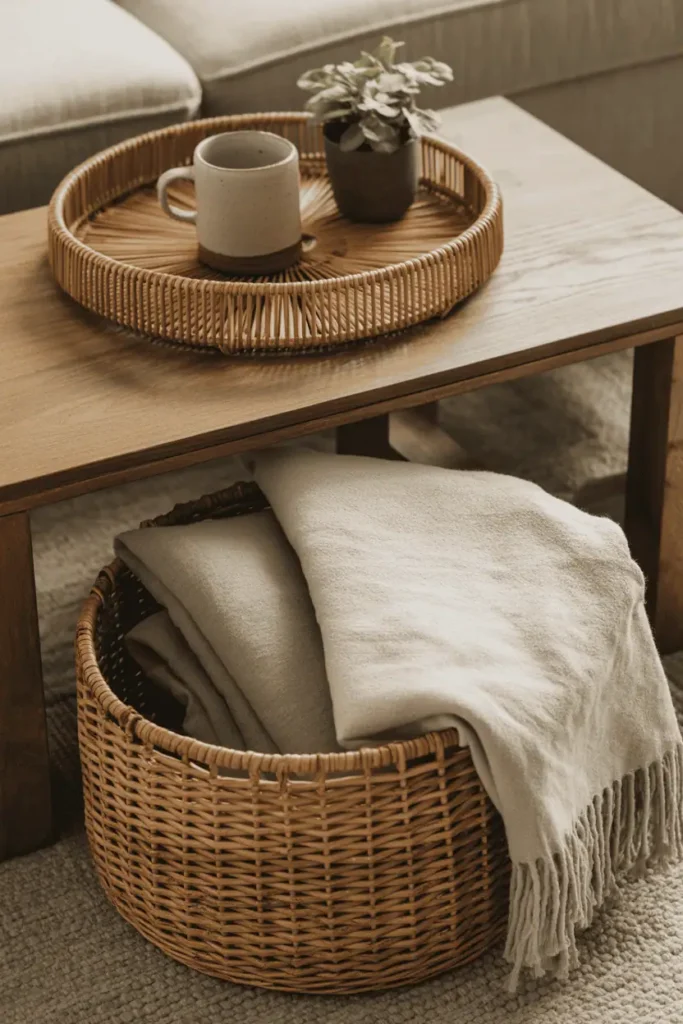
Natural woven materials—rattan, jute, seagrass—bring warmth and texture without adding visual weight. A rattan tray on a coffee table, a woven basket for blanket storage, or a jute rug underfoot all contribute to a lighter, more organic feel.
These materials work in any style of home, from modern to traditional. They're neutral enough to blend in but textured enough to add interest. And they're practical—baskets hide clutter, trays corral small items, and rugs stand up to foot traffic.
Avoid overly glossy or heavily lacquered finishes. The appeal of woven materials is their natural, slightly rough texture. Let them look handmade and imperfect.
Mirrors to Multiply Light and Space
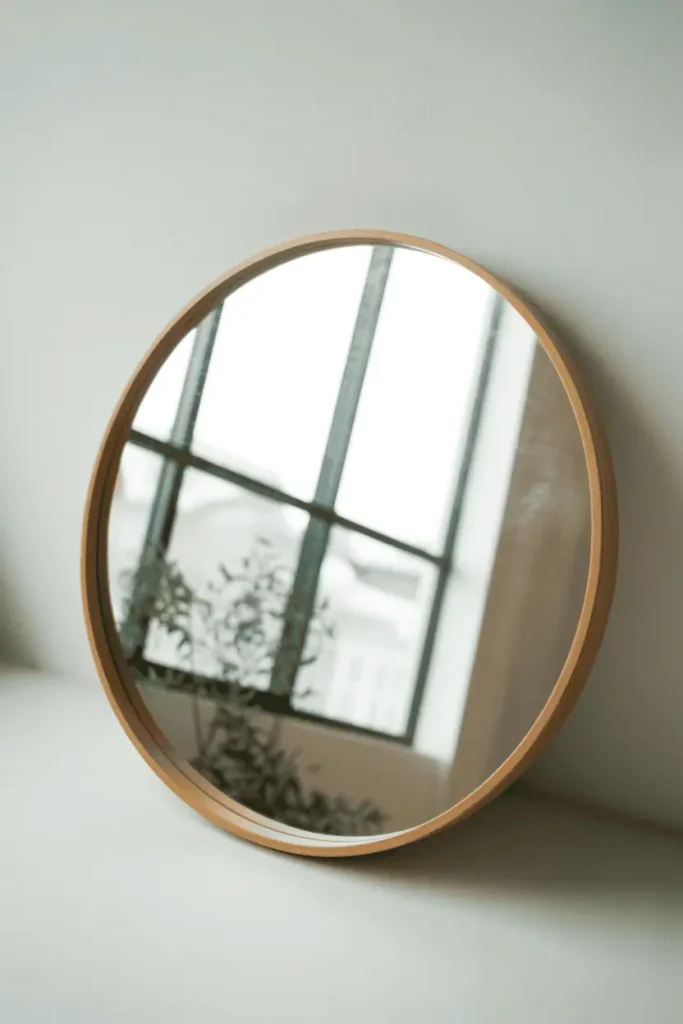
A well-placed mirror can change how light moves through a room. Hang one across from a window to reflect natural light deeper into the space, or lean a large mirror against a wall to make a small room feel more open.
Choose mirrors with simple frames—wood, brass, or no frame at all. Ornate or overly decorative frames can compete with the rest of the room. The mirror itself should feel like a functional design element, not a statement piece.
Even a small round mirror on a shelf or console table can brighten a corner. The reflection adds depth and makes surfaces feel less flat.
Rotating Decor Seasonally Without Storing Too Much
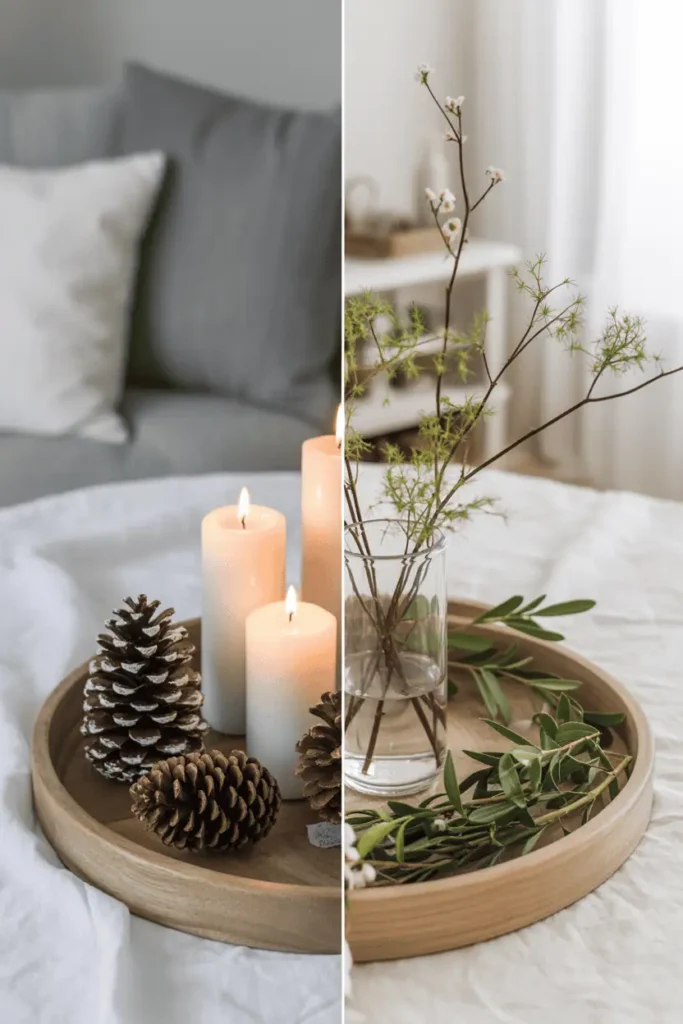
You don't need separate decor for every season if you're strategic about what you keep. Focus on a small collection of versatile pieces that work year-round with minor adjustments.
A wooden tray can hold candles in winter and a vase of fresh stems in spring. Neutral pillow covers can stay on the sofa while you swap out one or two accent pillows. A set of white dishes works for every season when you change the napkins or add a seasonal centerpiece.
Store only what you truly love and will actually use again. If you haven't reached for something in two years, it's just taking up space. Keep one bin of seasonal items and edit it annually.
Timing and Longevity
Most of these spring decor ideas can transition in as early as late February in warmer climates or mid-March elsewhere. The key is to start small—swap textiles first, then add fresh elements as they become available.
These looks carry easily through May and often into early summer. Lightweight linens, neutral tones, and natural materials don't need to be packed away the moment June arrives. They can layer into warmer-weather decor without feeling out of place.
If you introduce changes gradually, your home never feels like it's been overhauled. It just feels like it's keeping pace with the season.
Spring decorating works best when it's subtle, intentional, and responsive to how you actually live. The goal isn't to create a showroom but to make your home feel lighter, calmer, and more open to the season ahead.
Start with one or two small changes—a set of linen pillow covers, a vase of branches, a cleared surface. Let the rest unfold as you notice what your space needs. Save ideas that feel right for your home, and revisit them as the season shifts.
For more seasonal styling inspiration, explore other decor guides that focus on real rooms and practical updates.