Wabi-Sabi home decor isn't about being perfect. It's about finding beauty in the imperfect and simple things. It celebrates cracks in pottery, weathered wood, and organic shapes as signs of life and history.
This style is rooted in Japanese tradition. It teaches us to appreciate what's natural and unpretentious. In home design, this means valuing authenticity over trends. A worn rug, a handmade vase, or a garden stone can become focal points of beauty.
This guide will show you how Wabi-Sabi home decor can change your space. You'll learn to love subtle textures, earthy tones, and the charm of imperfection. Discover a design philosophy that makes rooms feel welcoming and grounded in real life.
Understanding Wabi-Sabi: The Philosophy Behind the Aesthetic
Wabi-Sabi comes from Japanese design aesthetic traditions. It has roots in Zen Buddhism, seeing beauty in fleeting, unpolished moments. It started in 16th-century Japan, where simplicity and humility were more valued than luxury.
The Roots of Wabi-Sabi
Wabi-Sabi began with Japanese design aesthetic leaders like tea master Sen no Rikyū. He believed in rustic tea bowls and uneven surfaces as true beauty. This idea grew into a cultural belief in accepting change.
Key Principles of Wabi-Sabi
- Impermanence: Accepting that all things change and fade
- Imperfection: Embracing asymmetry and flaws as part of nature
- Humility: Rejecting artificial grandeur for raw, unpretentious forms
Contrast with Modern Design
"Wabi-Sabi’s soul lies in the cracks." – Soetsu Yanagi, founder of the Mingei (folk craft) movement
Modern design seeks sleek precision, but Wabi-Sabi rejects this. It prefers worn wood or uneven ceramic glazes over shiny surfaces. This philosophy offers a slower, more mindful way of living in today's fast world.
The Allure of Imperfection in Home Decor
Imperfection is not a flaw; it's a story waiting to be told. The natural imperfection style turns cracks and irregularities into design highlights. A ceramic bowl with a unique curve or a table with visible wood grain variations makes spaces feel alive.
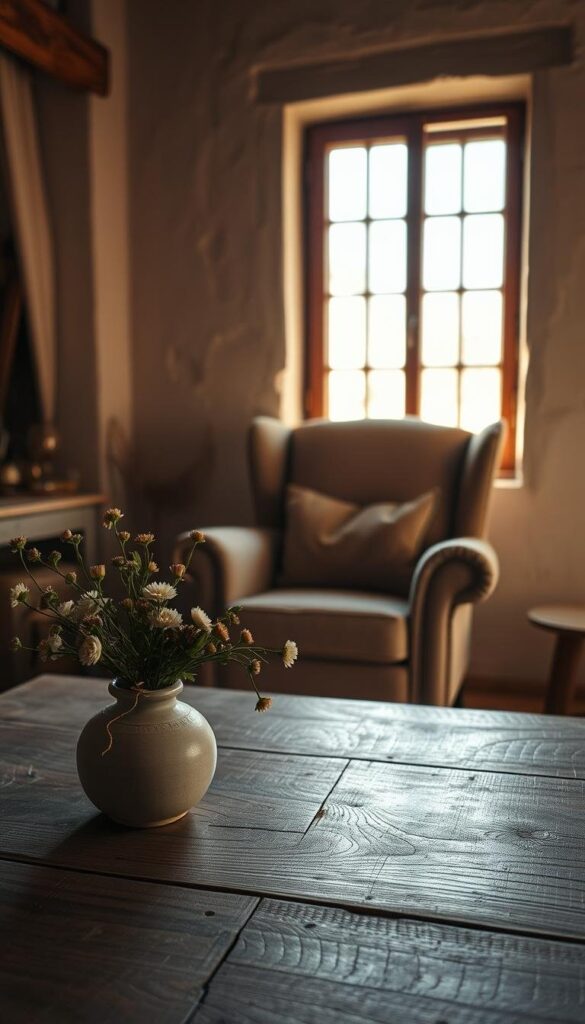
“True beauty lies in what the human hand imperfectly forms.” — Leonard Koren, Wabi-Sabi for Artists, Designers, Poets & Philosophers
Celebrating Flaws
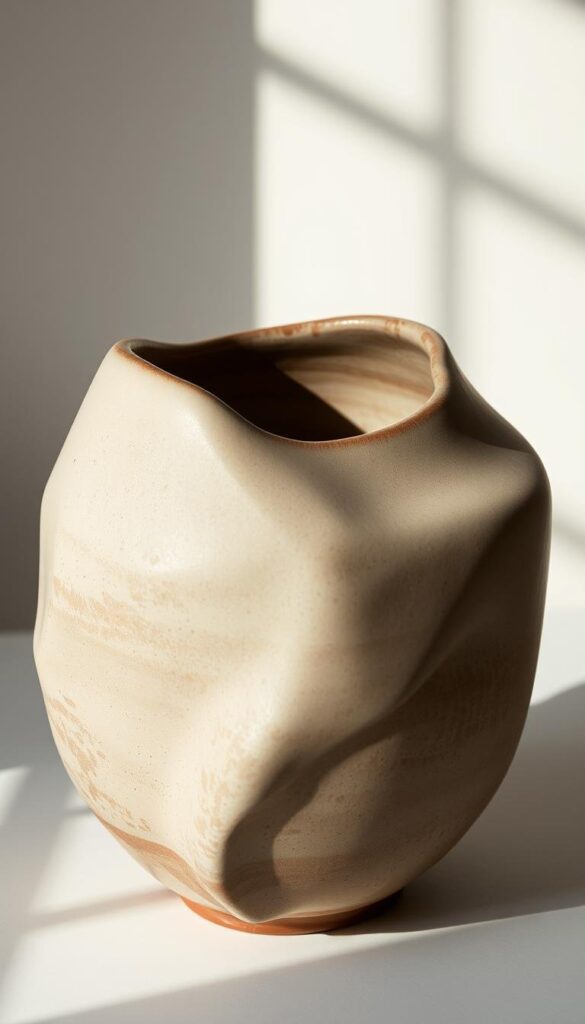
Flaws spark conversations. A vase with an uneven rim or a rug with hand-knotted imperfections adds warmth. These elements invite curiosity and connection.
- Ceramic pieces with intentionally rough edges
- Unpainted wooden furniture showing natural wood knots
- Textiles with uneven weaves or dye variations
Finding Beauty in the Unconventional
Unconventional beauty thrives in asymmetry and irregularity. Pair a lopsided ceramic vase with sleek modern lighting. Let weathered stone accents contrast polished surfaces.
This balance turns imperfections into intentional design choices that reflect authenticity. The natural imperfection style encourages embracing textures like aged metals or handmade pottery. Each piece carries a maker’s touch.
Elements of Wabi-Sabi Decor
Nature's raw materials are key in Wabi-Sabi spaces. A minimalist living space shines with wood, stone, and clay. These materials show imperfections like knots in wood, uneven pottery, or weathered stone.
Each flaw has a story, making the room real and authentic.
“True harmony exists where human touch meets nature’s unpredictability.”
Natural Materials: Wood, Stone, and Clay
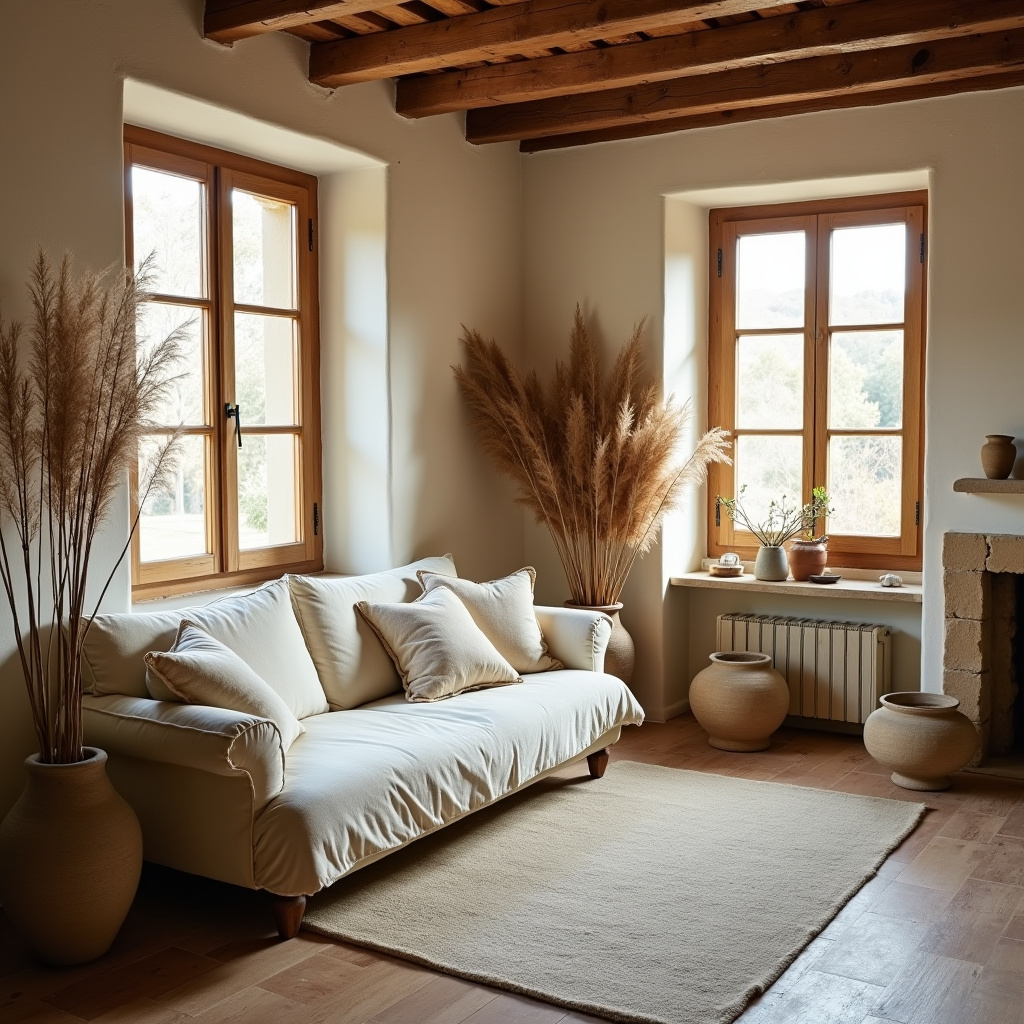
Wooden beams, with their natural grain, support floors and ceilings. Stone adds weight to fireplaces or accent walls. Clay vessels, made by hand, add beauty as decor.
Brands like West Elm offer wood furniture inspired by Wabi-Sabi. Pottery Barn has textured stone tiles.
Textures That Speak to the Soul
- Rough-hewn stone walls contrast with smooth silk cushions.
- Rustic jute rugs paired with glazed ceramic bowls.
- Unfinished wooden shelves juxtaposed with silk textiles.
Textures mix to add depth without clutter. This is a key part of the minimalist living space idea.
The Color Palette: Subtle and Earthy
Earthy tones like muted greens, sandy neutrals, and warm terracotta are common. Soft charcoal or weathered gray walls highlight natural materials. Brands like Crate & Barrel have neutral-toned furniture and rugs that fit right in.
How to Incorporate Wabi-Sabi in Your Home
Creating spaces that honor imperfect beauty starts with small, thoughtful choices. It's not about changing everything. Instead, it's about loving what you already have. Here are some steps to bring Wabi-Sabi into your life.
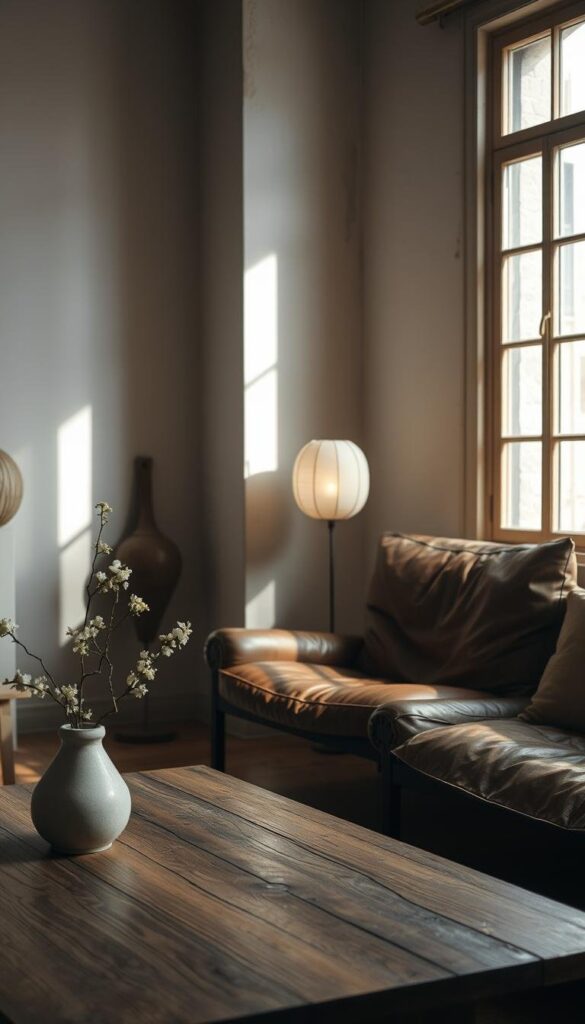
Start with Your Space
Start by looking at your surroundings. See the patina on wooden floors or the small crack in a vase. These are signs of authenticity. Remove clutter to show off these details.
Group items in a way that feels real, not perfect. A weathered bench by a window or mismatched mugs on a shelf tell stories of use and time.
Choosing Furniture and Accessories
- Natural Textures: Look for furniture with visible grain, like reclaimed oak tables or woven jute rugs.
- Embrace Asymmetry: Choose items with unique shapes, like lamps with uneven bases or curtains with hand-stitched seams.
- Layer Organically: Mix modern pieces with hand-painted items for contrast.
DIY Wabi-Sabi Projects
Turn old items into beautiful pieces. Try these:
- Paint a thrift-store mirror with chipped gold leaf.
- Put dried eucalyptus in a cracked vase.
- Sand down a damaged drawer to show its layers.
Every change celebrates the journey of an object, not its perfection.
Embracing Minimalism Alongside Wabi-Sabi
Wabi-Sabi and minimalist design blend to create spaces filled with serene simplicity. Both focus on clarity and purpose. They turn homes into peaceful places without distractions.
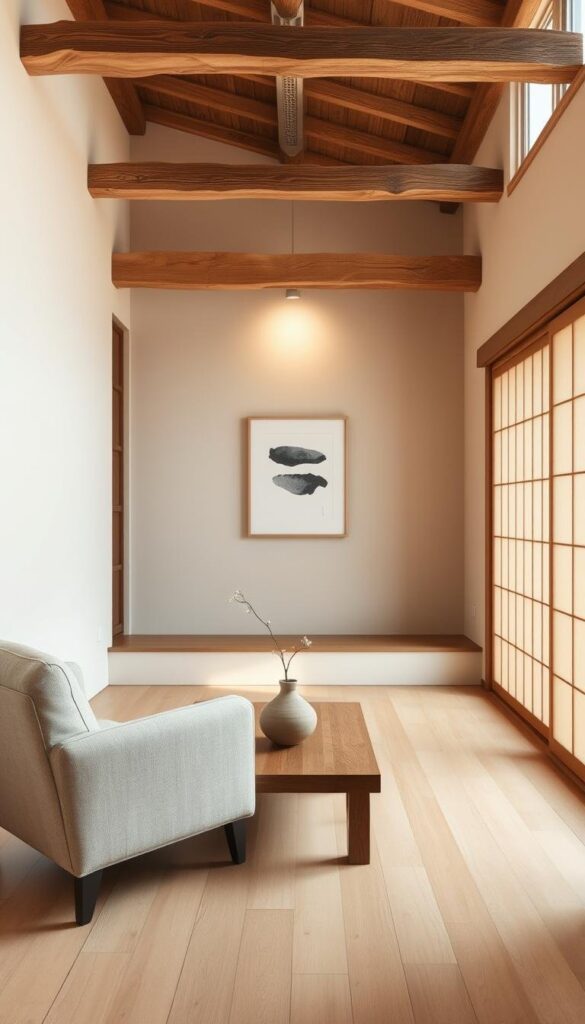
The Harmony of Less is More
“Less, but better.” Dieter Rams’ philosophy mirrors Wabi-Sabi’s embrace of purposeful objects. Minimalist layouts highlight each piece’s story—imperfect pottery or weathered wood—while avoiding visual clutter.
Minimalism removes excess, while Wabi-Sabi adds soul with subtle imperfections. Together, they balance structure and warmth. A single hand-thrown vase on a bare shelf becomes a focal point, embodying both principles.
Creating Calm Spaces
Design choices that foster tranquility include:
- Open layouts that encourage mindful movement.
- Neutral tones with earthy textures, like woven baskets or unglazed ceramics.
- Functional yet imperfect items—a cracked stone planter or a naturally stained table.
These elements work together to create environments where serene simplicity promotes calm. This calm is not just visual but emotional as well.
Wabi-Sabi and Sustainable Living
Wabi-Sabi loves natural impermanence and eco-friendly choices. It's all about using materials that get better with age. This way, we can cut down on waste and make spaces that are truly real. Rustic decor inspiration shines here, where being green meets lasting beauty.
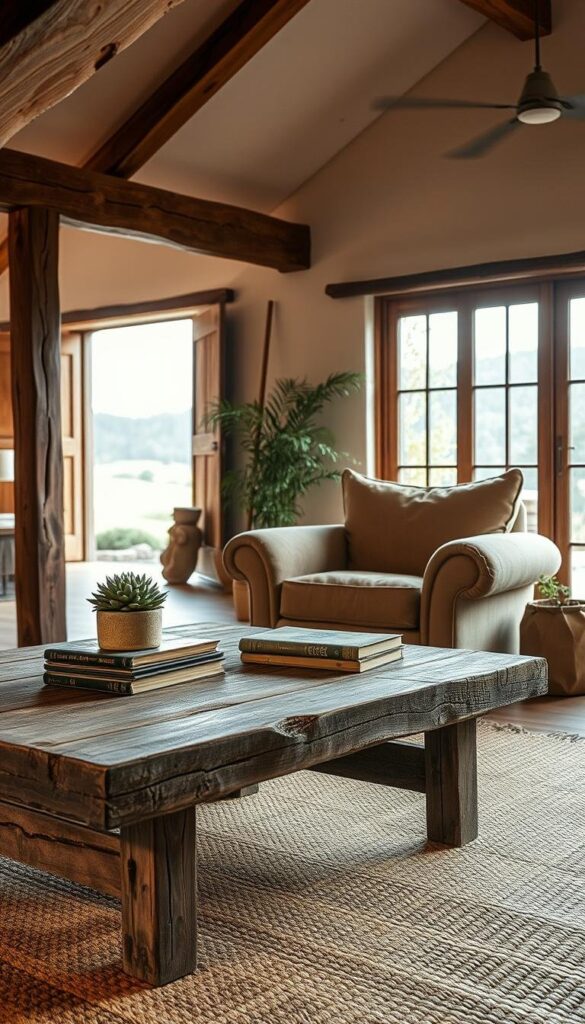
- Eco-Friendly Materials: Choose reclaimed wood, organic cotton, or ceramics made by hand. These choices help save resources and honor skill.
- Longevity Over Trends: Buy things that last, like cast-iron pots or linen fabrics. They stand the test of time and change.
Companies like West Elm now mix rough textures with recycled materials. This shows that being green doesn't mean you can't look good. By fixing things instead of throwing them away, every mark tells a story. It shows that true beauty comes from less waste. Rustic decor inspiration here is more than looks; it's a promise to the Earth.
Balancing Wabi-Sabi with Modern Aesthetics
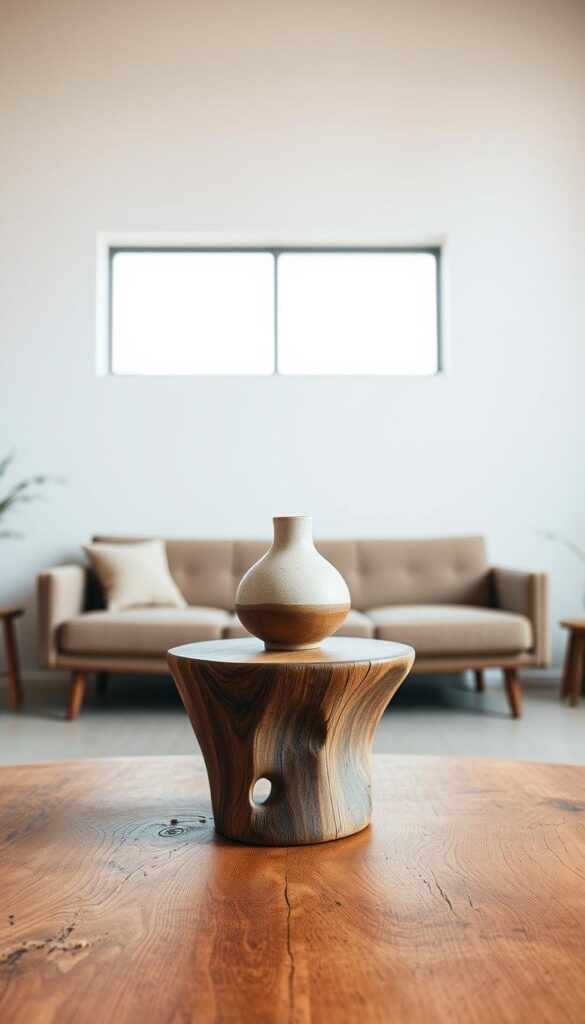
Modern homes love clean lines and function. But Wabi-Sabi's love for imperfections adds soul. Mix raw textures with sleek designs for a perfect blend.
A weathered wooden bench next to a glass coffee table is a great example. This mix respects tradition and fits today's lifestyle.
Blending Styles for Unique Spaces
Begin with a small step: put a hand-painted ceramic bowl on a chrome counter. Contrast is important. Mix industrial metal lamps with handwoven baskets.
Let asymmetry guide your layout. For example, a lopsided shelving unit can hold symmetric vases.
Selecting Accent Pieces
- Textured ceramics: Pick handmade pottery with visible brushstrokes.
- Reclaimed wood: Use a salvaged door as an accent wall next to polished floors.
- Natural stone: A rough-hewn vase on a minimalist desk adds organic balance.
Embracing imperfections means letting flaws be the main attraction. A cracked ceramic plate in a shadowbox adds character without clashing. Balance is key—let each piece tell a story while meeting modern needs.
Wabi-Sabi in Different Rooms of the Home
Wabi-Sabi turns imperfection into beauty. Organic home styling brings harmony to every corner. It mixes natural textures and intentional asymmetry. Each room shows the beauty of simplicity.
Living Room: Cozy and Inviting
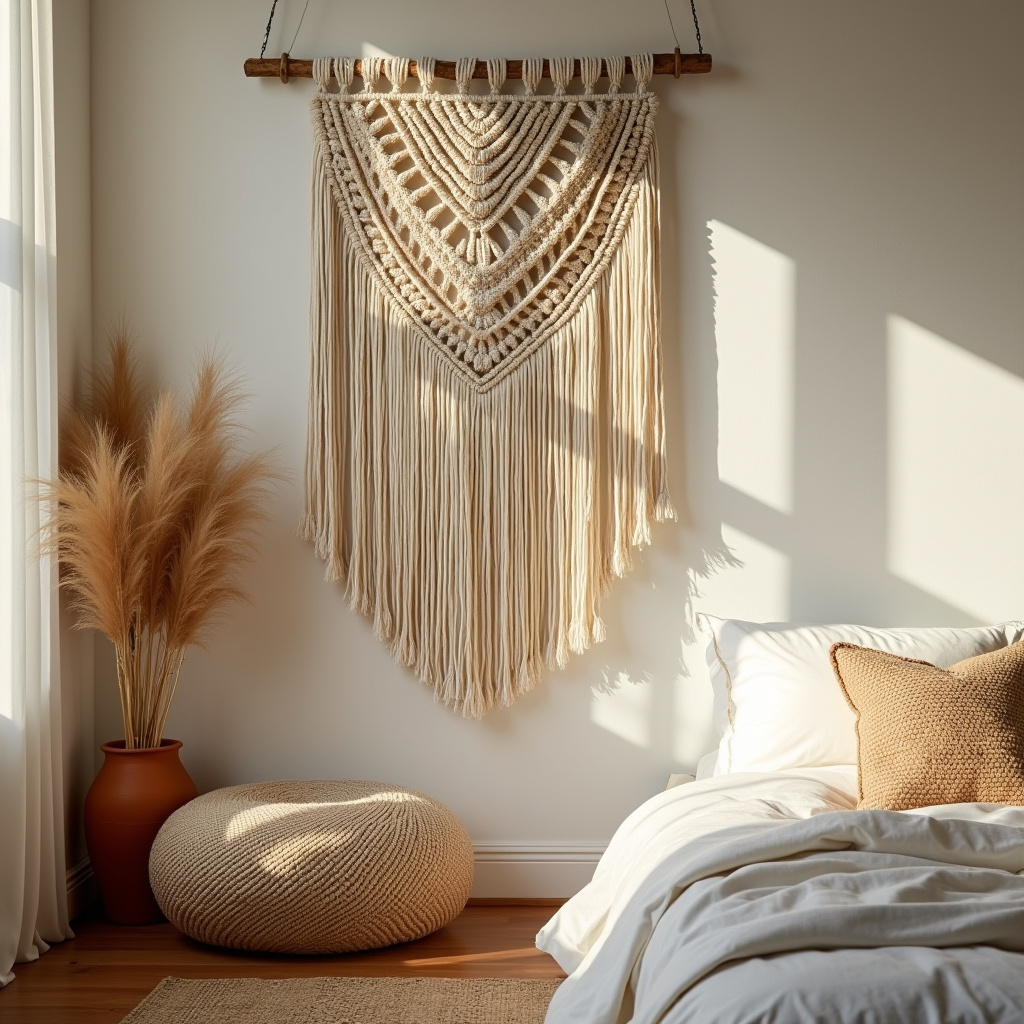
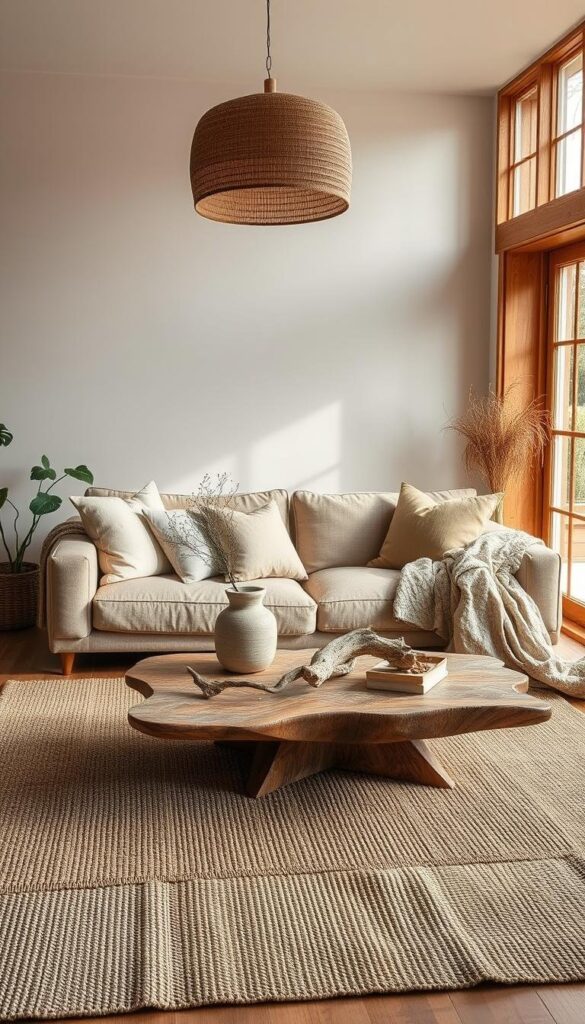
Use handwoven rugs and mismatched cushions for layers. A rustic wooden coffee table with visible grain adds warmth.
“Imperfection is the soul of beauty,” a mantra for spaces where cracks in pottery become conversation starters.
Let sunlight filter through sheer curtains, balancing light and shadow.
Bedroom: A Retreat for Relaxation
Choose linen bedding with subtle flaws—stitch variations or soft creases. A reclaimed-wood nightstand paired with a hand-thrown vase creates calm. Organic home styling here means prioritizing materials like bamboo or wool for grounding textures.
Kitchen: Functional with Character
Embrace a kitchen where organic home styling meets practicality. Try:
- Handcrafted ceramic mugs stacked haphazardly
- A worn wooden butcher block as a focal point
- Exposed brick walls paired with muted green tones
Faded cookbooks on open shelves add a lived-in feel.
Cultural Influences on Wabi-Sabi Home Decor
Wabi-Sabi comes from Japanese culture and has become a global design trend. It connects old traditions with new ideas, making it timeless.
Japanese Design Aesthetics
“In the tea room, imperfection becomes a path to authenticity.” – Sen no Rikyu
In Japan, design focuses on living in harmony with nature. Tea ceremonies show off bowls with cracks and wood that's weathered. This celebrates imperfect beauty.
Materials like bamboo, rice paper, and rough stone are used. This reflects the idea of kanso, or "less is more." It's seen in simple layouts and rough textures.
- Natural materials: Bamboo, clay, and unfinished wood dominate.
- Seasonal elements: Seasonal flowers and transient beauty.
- Functional simplicity: Multi-purpose spaces like tatami mats.
Global Interpretations
Today, designers around the world are reimagining Wabi-Sabi:
- Scandinavian fusion: Combines clean lines with weathered wood accents.
- Mediterranean flair : Terracotta pots and cracked ceramic tiles.
- Urban adaptions : Reclaimed brick walls in modern lofts.
From Kyoto to New York, Wabi-Sabi is finding new life. It's in hand-thrown pottery and industrial-chic lofts. Its journey shows how its values of honesty and mindfulness connect us all.
Conclusion: Why Wabi-Sabi Resonates Today
In today's fast world, Wabi-Sabi is more than a trend. It's a way of life that values authenticity and imperfection. It makes homes reflect our true values, blending function with meaning.
A Shift Towards Mindfulness
Modern life is all about being mindful, and Wabi-Sabi fits right in. Using natural materials like reclaimed wood or handmade ceramics connects us to nature. It's not just about looks; it's about living simply and valuing what lasts.
Brands like MUJI and IKEA's green lines show Wabi-Sabi's wide appeal. They mix practicality with a touch of elegance.
Encouragement to Embrace Imperfections
Wabi-Sabi celebrates the beauty of imperfections. A pottery crack or uneven tiles tell a story, not a flaw. It teaches us to be thankful for what we have, not just what's trendy.
Using eco-friendly materials like organic linen or weathered stone makes homes better for the planet and for us. Small choices, like a handmade vase or a jute rug, add character without clutter.
Wabi-Sabi shows how design can reflect our values. It encourages us to slow down, appreciate history, and create spaces that support our well-being. Start with small steps: display a fixed vase or let sunlight through a wooden table. These actions can turn any space into a peaceful, mindful retreat.