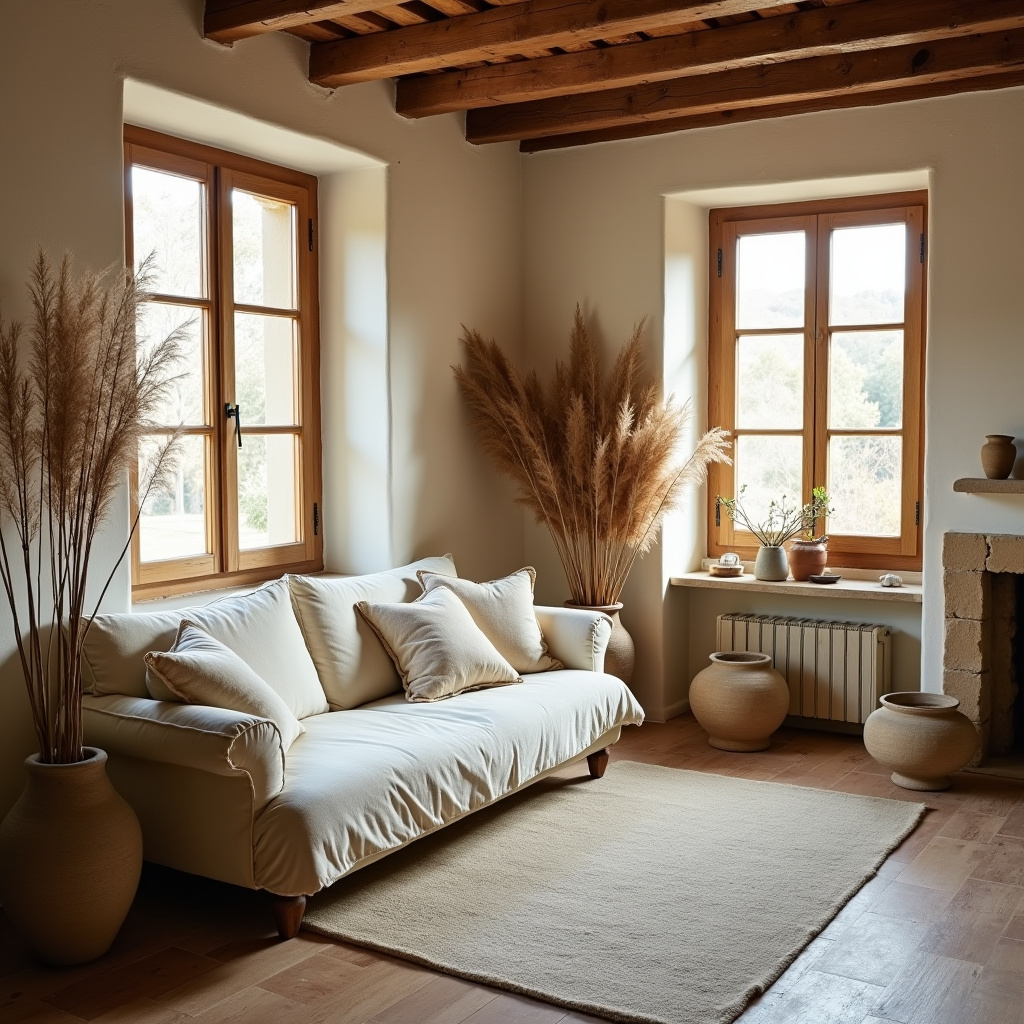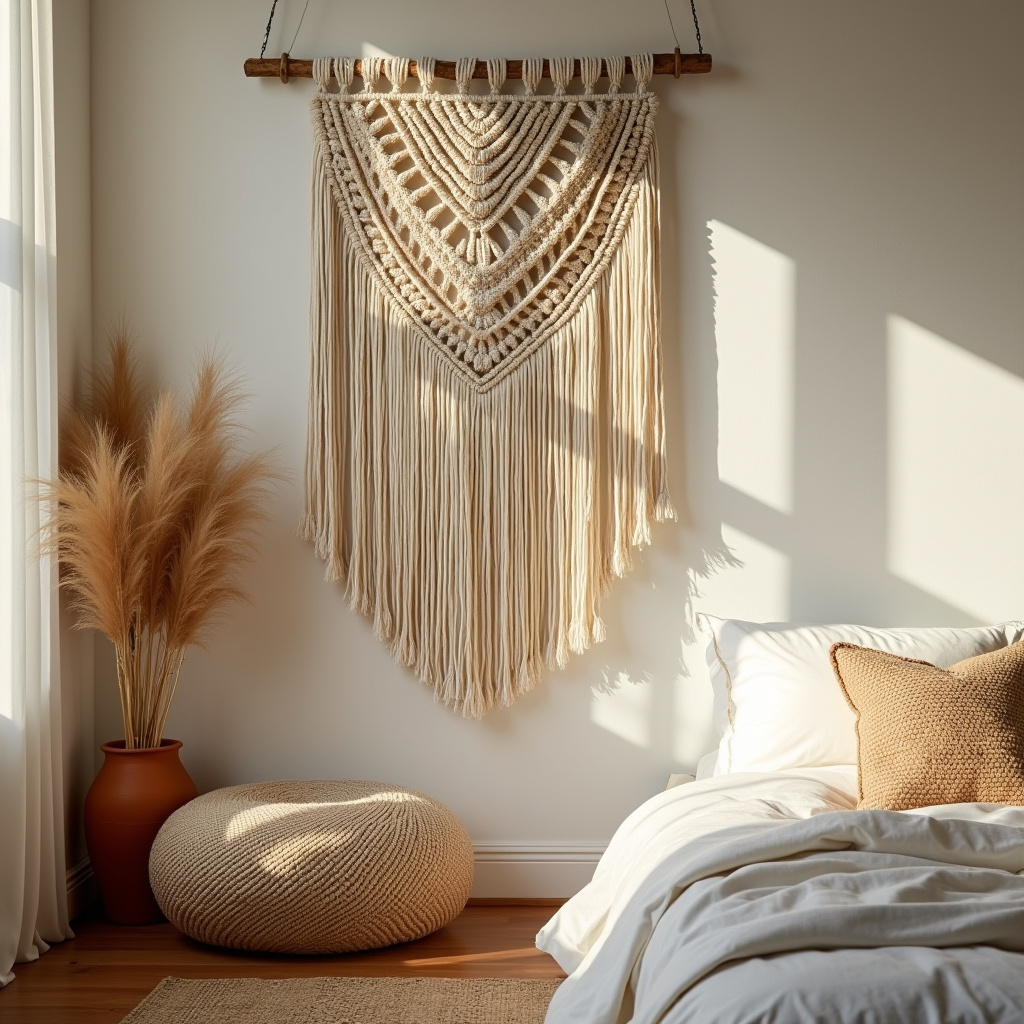
Sustainable home decor is changing how we view style and responsibility. Now, eco-friendly materials like reclaimed wood and organic cotton are essential for creating stunning, eco-conscious spaces.
This guide will show you how to make your home greener. You'll learn about natural fabrics and recycled furniture. Discover how to mix beauty and ethics in every room.
Understanding Sustainable Home Decor
Eco-friendly home decor is more than a trend. It's a way to create spaces that care for both people and the planet. It involves choosing items made from renewable resources and produced ethically, with little harm to the environment.
What is Sustainable Home Decor?
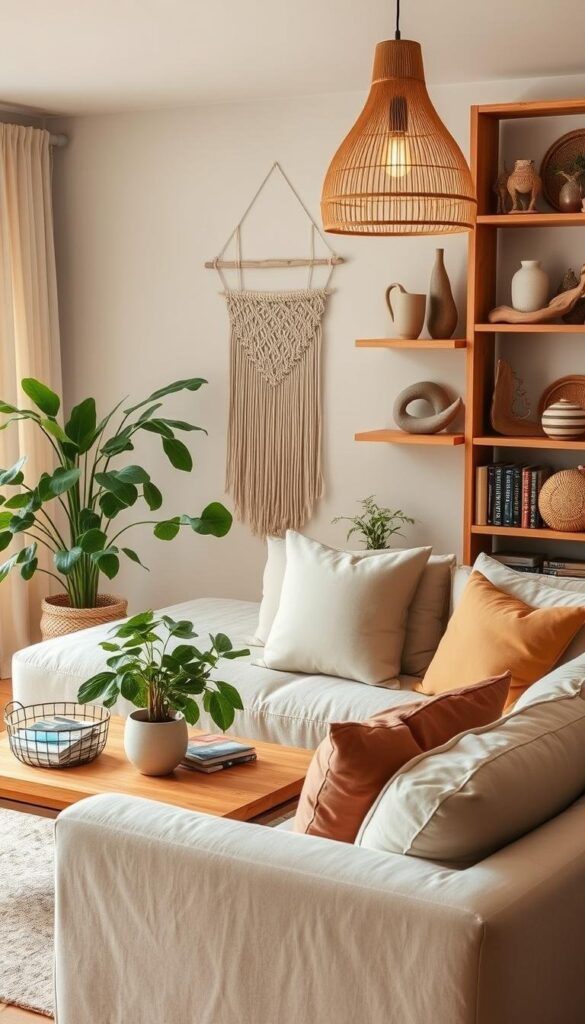
It's about making your space better with items that reduce waste and pollution. Imagine furniture from reclaimed wood, curtains from organic cotton, or rugs from recycled plastics. These choices help lower energy use and toxic chemicals, making homes healthier and more eco-friendly.
Importance of Eco-Friendly Materials
- Health benefits: It reduces exposure to harmful VOCs from traditional paints and finishes.
- Resource conservation: Materials like bamboo grow fast, unlike slow-renewing hardwoods.
- Supports ethical practices: Brands like West Elm and Boll & Branch use fair-trade labor and carbon-neutral shipping.
“Sustainable decor isn't a compromise—it's an investment in cleaner air, safer products, and a greener future.”
Every purchase counts. Look for certifications like GOTS (Global Organic Textile Standard) or FSC (Forest Stewardship Council) to ensure materials meet strict environmental standards. By choosing eco-friendly home decor, you're supporting cleaner manufacturing and a healthier living environment.
Benefits of Choosing Sustainable Materials
Choosing sustainable materials for your home has many benefits. Green living products like non-toxic textiles and renewable flooring make your space safer. They also help protect our planet. This choice improves your health and supports global sustainability.
Health and Environment Impact
Traditional decor can have harmful chemicals in it. Green living products avoid these dangers. For example, organic cotton bedding is safe and healthy.
The EPA says indoor air can be very polluted. Using low-emission materials greatly improves the air you breathe.
- Non-toxic finishes reduce allergy triggers
- Materials like FSC-certified wood protect forests

Longevity and Durability
Sustainable materials last longer than regular ones. Bamboo flooring, for example, is very durable. A 2023 study by the USGBC found green living products can save 25-40% on replacement costs over 10 years.
Reclaimed wood furniture is both durable and eco-friendly.
- Bamboo’s natural hardness ensures long-term use
- Less frequent replacements save money and resources
Popular Sustainable Materials for Interiors
Make your space stylish and green with the right materials. You don't have to choose between looks and ethics. Here are three top picks that prove it.
Bamboo: The Versatile Wonder
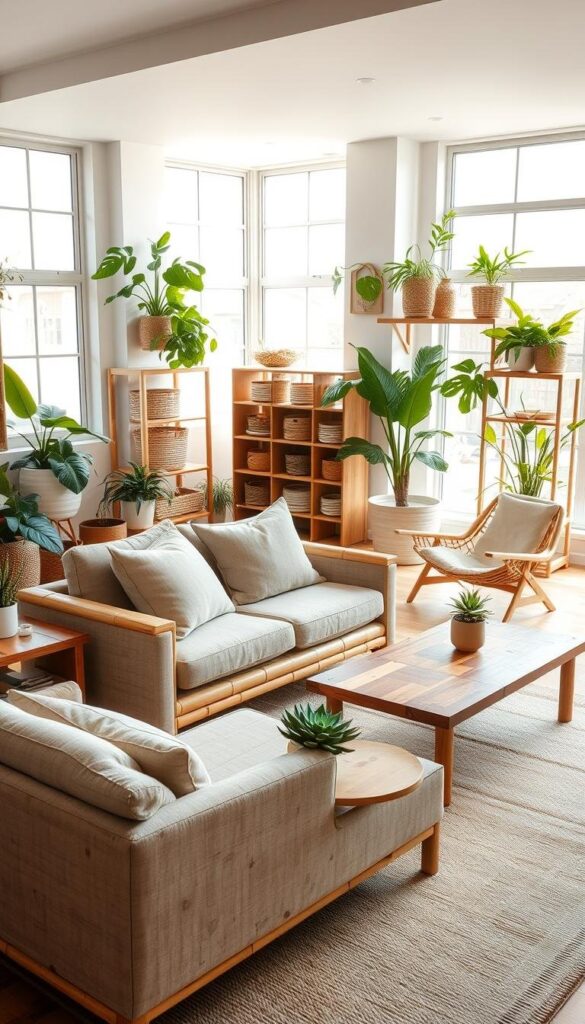
Bamboo grows super fast, up to 91 cm a day. It's as strong as hardwood, great for floors, tables, and fabrics. West Elm makes modern pieces with it.
It's also pest-free, so no need for harsh chemicals. This makes bamboo a top choice for green homes.
Reclaimed Wood: A Story in Every Plank
“Reclaimed wood offers beauty without cutting down new trees,” says the Forest Stewardship Council.
Old barns and factories turn into stylish decor. It's good for the planet and looks amazing. Restoration Hardware sources wood from historic places.
Each piece has a story, and it helps save forests. It's a win-win for your home and the environment.
Organic Cotton: Soft and Eco-Conscious
Organic cotton is grown without harmful pesticides. It's better for the soil and water. Coyuchi makes comfy curtains, upholstery, and bedding from it.
It's soft and safe for families. Organic cotton shows you can have luxury without harming the planet.
These materials show you can have style and sustainability. Bamboo, reclaimed wood, and organic cotton make your home beautiful and eco-friendly.
Eco-Friendly Paints and Finishes
Choosing the right paints and finishes is key to creating spaces that are both beautiful and environmentally responsible. Eco-friendly options reduce chemical exposure while aligning with sustainable interior design principles. Let’s explore how these products transform aesthetics and health.
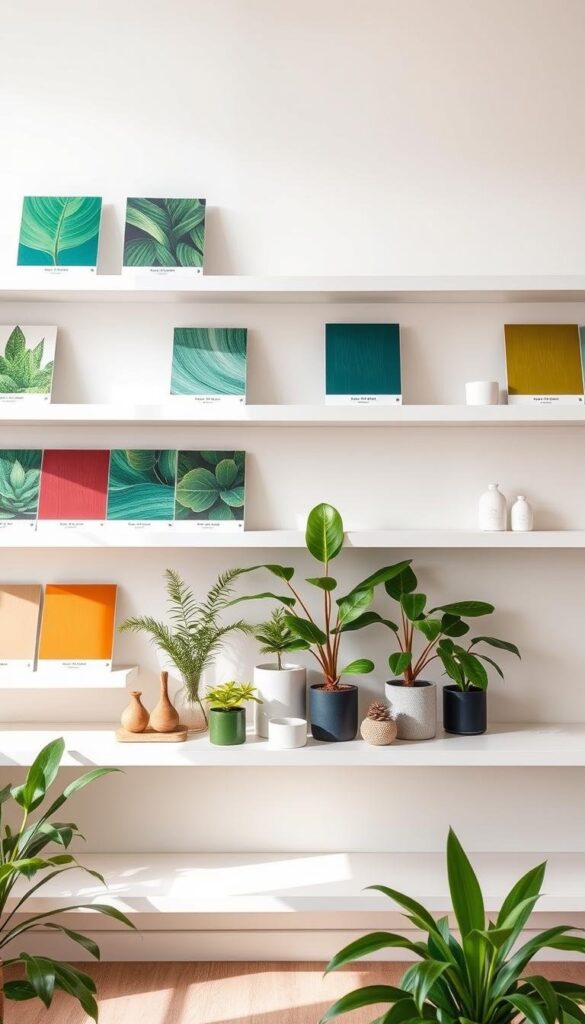
Low-VOC paints eliminate harmful fumes, making homes safer for families and pets. Brands like Benjamin Moore’s Natura and AFM Safecoat offer zero-VOC options that provide vibrant colors and durability. These paints cut indoor air pollution, supporting long-term well-being.
Low-VOC Options for Safer Spaces
- Zero-VOC formulas from brands like Behr Marquee prevent headaches and respiratory issues.
- Look for certifications like GreenGuard Gold to ensure safety and environmental compliance.
- Colors stay vibrant longer, reducing frequent reapplication needs.
Natural Finishing Products
Plant-based finishes like beeswax or linseed oil protect wood without synthetic additives. For example, Boen offers natural oil finishes that enhance wood grain while being biodegradable. These options let wood breathe, preventing mold growth in humid areas.
“A home painted with eco-conscious products isn’t just stylish—it’s a step toward a healthier planet.” — Sustainable Design Institute
Opt for finishes labeled non-toxic and renewable. Research certifications like USDA BioBased to ensure materials meet high standards. Every choice, from paint to sealant, contributes to a greener living space.
Sustainable Upholstery Choices
Choosing the right upholstery fabrics is key to creating ethical home decor that’s both stylish and planet-friendly. Hemp and innovative leather alternatives offer practical solutions without compromising on style or sustainability.
Hemp fabrics stand out for their resilience and low environmental impact. They are grown without synthetic pesticides and need far less water than cotton or polyester. Their durability ensures longevity, reducing frequent replacements.
Hemp Fabrics: An Eco-Friendly Option
Opt for hemp upholstery to blend comfort with responsibility. Benefits include:
- High strength, ideal for high-traffic areas
- Carbon footprint 60% lower than cotton
- Natural resistance to mold and UV damage
Leather Alternatives: Choosing Wisely
Swap traditional leather for materials like Piñatex (made from pineapple fibers) or cork-based textiles. These options avoid animal exploitation and reduce waste. Look for certifications like Global Organic Textile Standard (GOTS) to ensure quality and ethical sourcing.
Recycled polyester blends made from post-consumer plastic are another smart choice. They cut down plastic pollution while maintaining fabric integrity.
DIY Projects with Recycled Materials
Turn old items into useful sustainable furniture with simple DIY projects. Upcycling cuts down on waste and brings your own style to your home. Start with small projects—like turning old suitcases into coffee tables or making wine cork coasters.
Every project makes something valuable out of trash. It also helps you live more eco-friendly.
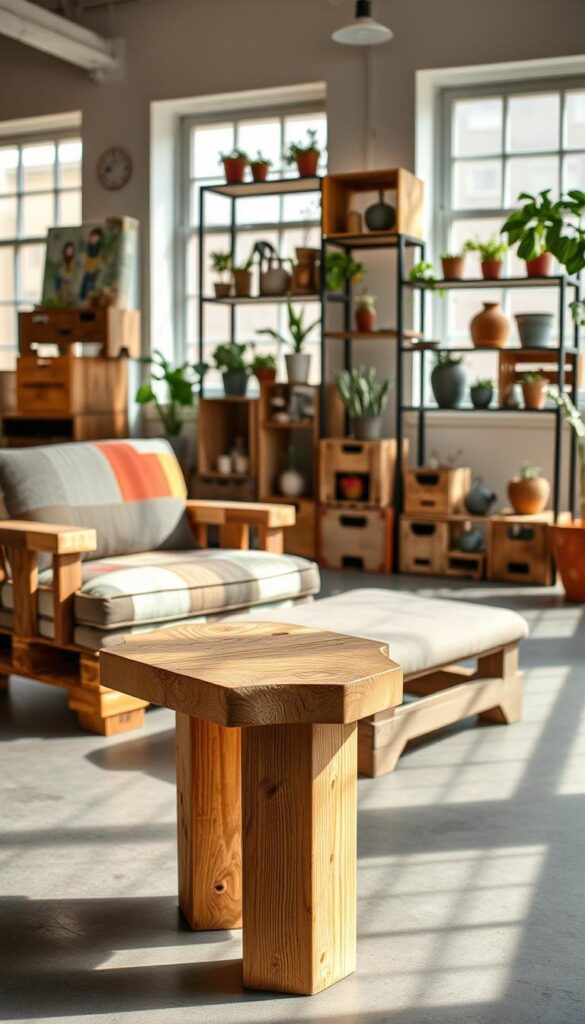
Creative Ideas for Upcycled Decor
- Repurpose ladder shelves into wall-mounted plant hangers.
- Paint mismatched chairs in bold colors for a modern sustainable furniture set.
- Turn glass bottles into pendant lights using LED strips.
- Stack wooden crates vertically to create a floating nightstand.
How to Source Recycled Materials
Find materials at thrift stores, Habitat for Humanity ReStores, or local flea markets. Look on Facebook Marketplace for deals. Freecycle groups offer free items. Always check if items are sturdy for lasting use.
“Upcycling is the ultimate act of creativity meeting conservation.”
Use eco-friendly adhesives and finishes for safe, stylish results. Even beginners can make sustainable furniture that's good for your wallet and the planet.
Making Sustainable Choices on a Budget
Going green doesn't have to cost a lot. Here's how to enjoy eco-conscious decor without spending too much. You can mix style and sustainability without breaking the bank.
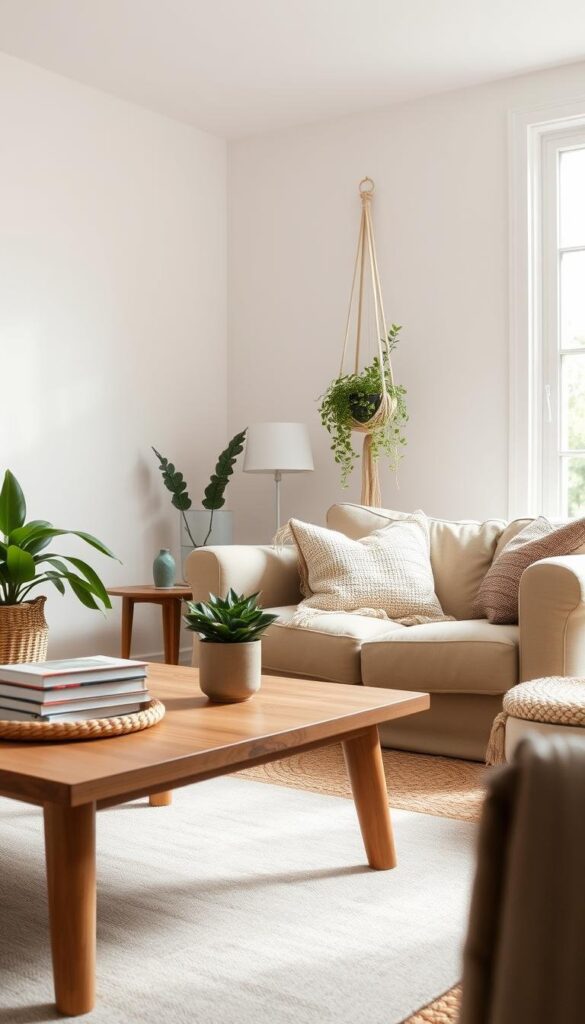
Cost-Effective Sustainable Options
- Thrift stores: Find gently used furniture and decor to reduce waste and costs.
- Bulk materials: Purchase natural fibers like organic cotton in bulk to save per-unit prices.
- Reclaimed wood accents: Look for budget-friendly options from brands like Wayfair or local artisans.
Tips for Affordable Eco-Friendly Decor
- Swap seasonal decor: Rotate items like throws and cushions instead of buying new pieces.
- DIY projects: Upcycle old furniture using non-toxic paints (like Benjamin Moore’s Natura line).
- Choose multipurpose items: Invest in versatile pieces like modular storage from IKEA made from bamboo.
Start small—mixing a few eco-conscious choices with existing decor creates a sustainable space without high costs. Every step counts toward a greener home.
Brands Leading the Way in Sustainable Decor
Choosing the right brands makes your home stylish and ethical. Top companies focus on sustainable home accents. They use transparent and planet-first practices.
Notable Sustainable Home Decor Brands
Check out brands dedicated to eco-friendly design:
- West Elm has sustainable home accents like organic cotton throws and wood furniture certified by FSC.
- Boll&Branch uses 100% organic cotton, reducing chemical use in production.
- Article makes furniture from reclaimed teak and recycled aluminum, showing sustainability can be stylish.
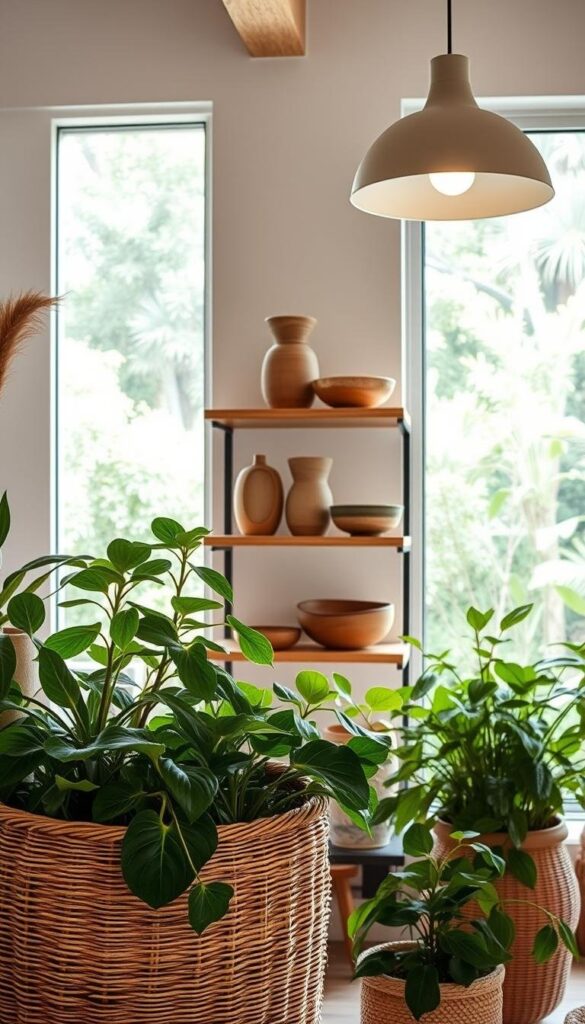
How to Identify Eco-Friendly Certifications
Look for trusted labels when buying sustainable home accents:
- GOTS (Global Organic Textile Standard) certifies organic fabrics.
- FSC (Forest Stewardship Council) ensures wood comes from responsibly managed forests.
- CRREL verifies recycled content in materials.
"Certifications are your guarantee that products meet rigorous environmental standards." – Green Business Certification Inc.
Supporting these brands and checking certifications makes every purchase greener.
Future Trends in Sustainable Home Decor
Sustainability is becoming key in interior design. New eco-friendly innovations are emerging. From labs to homes, technology and choices are changing what's possible. Here's a look at what's coming.
Innovations in Sustainable Materials
New materials like mushroom-based composites and plant resins are leading the way. Companies are also working on algae paints that clean the air and biodegradable plastics from cornstarch. These developments offer stylish, eco-friendly choices without losing quality.
Look for textiles made from recycled ocean plastics and furniture from fast-growing plants. These options are both stylish and sustainable.
What to Expect in Eco-Friendly Design
Designs will focus on being transparent and circular. Designers are creating modular furniture that can change over time, reducing waste. Expect to see smart tech like energy-saving LEDs and self-healing materials in homes.
Certifications like Cradle to Cradle and FSC will become more common. They help people find truly green products. The future of design is about more than just materials; it's about our mindset.
As we become more aware, expect to see bold colors and textures in recycled materials. Staying updated on these trends means keeping homes both lovely and eco-friendly. Our choices today shape a greener future.