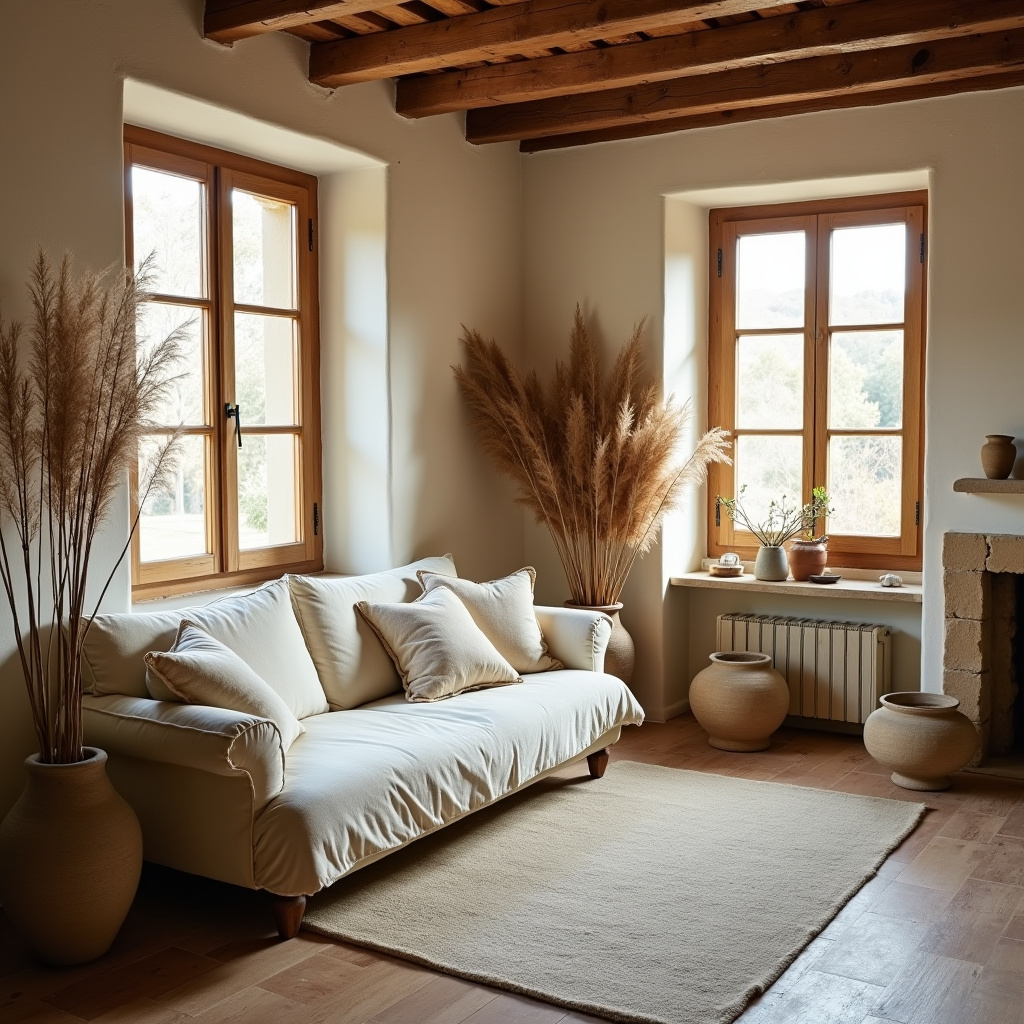
Changing your living space doesn't need a complete makeover. Small updates can make a big difference with little effort and cost. Whether you want a cozy or modern look, small changes can bring new life to your home.
Modern updates often use what you already have. Try swapping throw pillows, rearranging furniture, or adding a bright rug. These simple steps can make your space feel new without spending a lot.
This guide will show you how small changes can make a big impact. Learn about affordable ideas like DIY projects or smart storage. Turn your home into a stylish, functional space.
The Power of Color: Transform Your Space
Color can change a room's feel and size. Today's interior design trends show how colors can make a space calm or lively. We'll look at how to use color without making your home feel too busy.
Choosing the Right Color Palette
First, pick colors that fit your room's use. Neutral shades like soft grays or warm beiges are always in style. Then, add a pop of color with accent shades. Companies like Behr and Benjamin Moore have color schemes that follow the latest interior design trends.
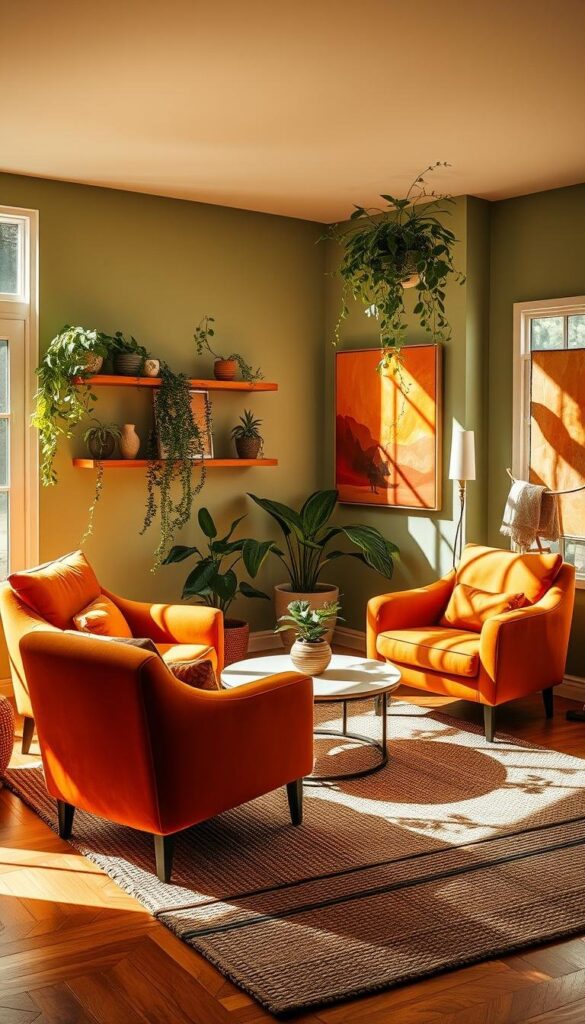
Using colors next to each other on the color wheel creates a nice look. For example, sage green and cream are calming, while coral and terracotta are lively.
Accent Walls: A Bold Statement
A bold wall can catch everyone's eye. Dark colors like charcoal or emerald make small rooms cozy. Pastels, on the other hand, make spaces feel bigger.
Try a textured paint for extra depth. Matte for softness or metallics for a bold look. This trend is big in 2024 interior design trends, working for both simple and bold styles.
Accessories That Pop
Use accessories wisely. Velvet pillows in bright colors or a geometric rug in contrasting shades grab attention. Mixing metals or layering ceramics and glass adds interest.
Follow the latest trends, like earthy terracotta or retrofluorescents, but keep most of your decor simple. This way, you avoid a dated look.
Lighting: Brightening Up Your Home
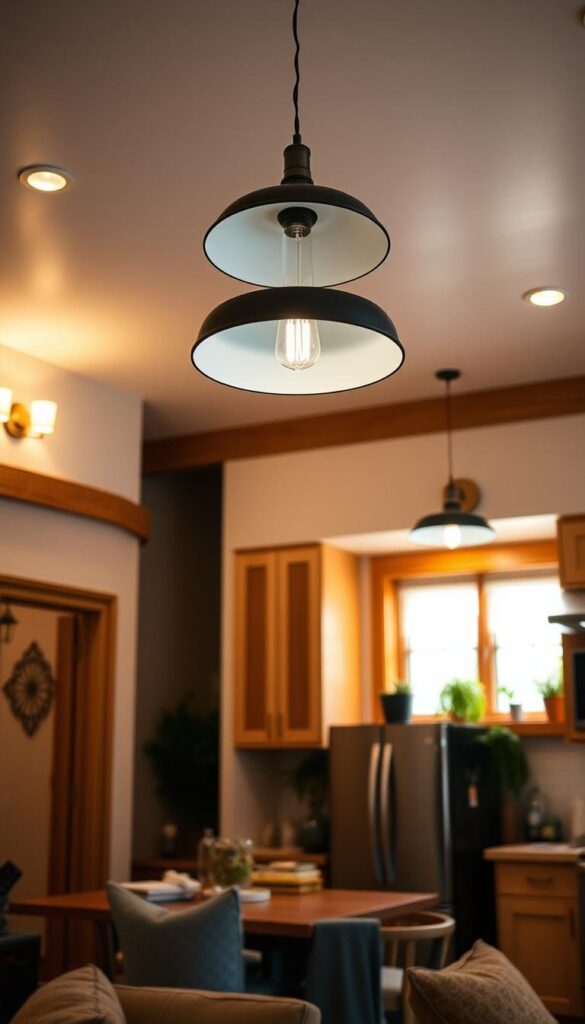
Lighting can change a room's feel in seconds. It can make a room cozy or bright. Smart lighting upgrades are great home renovation ideas that add both function and style.
Natural Light Solutions
Here's how to let sunlight in:
- Swap heavy drapes for translucent sheers to diffuse daylight
- Install skylights in darker rooms like bathrooms or hallways
- Use light-colored paint to reflect natural light
Stylish Light Fixtures
Try these modern lighting options:
- Minimalist pendant lights over kitchen islands
- Flush-mounted fixtures in small spaces
- Smart LED strips under cabinets or staircases
Stores like IKEA or Wayfair have affordable yet stylish lighting.
Creative Lighting Techniques
Use different light types for a balanced look:
- Task lighting: Desk lamps for work zones
- Accent lighting: Recessed spotlights highlighting artwork
- Decorative fixtures: Rope lights along bookshelves or stair rails
Smart bulbs from Philips Hue or LIFX let you change colors and brightness. They add tech to your home renovation ideas.
Furniture Layout: Optimize Your Space
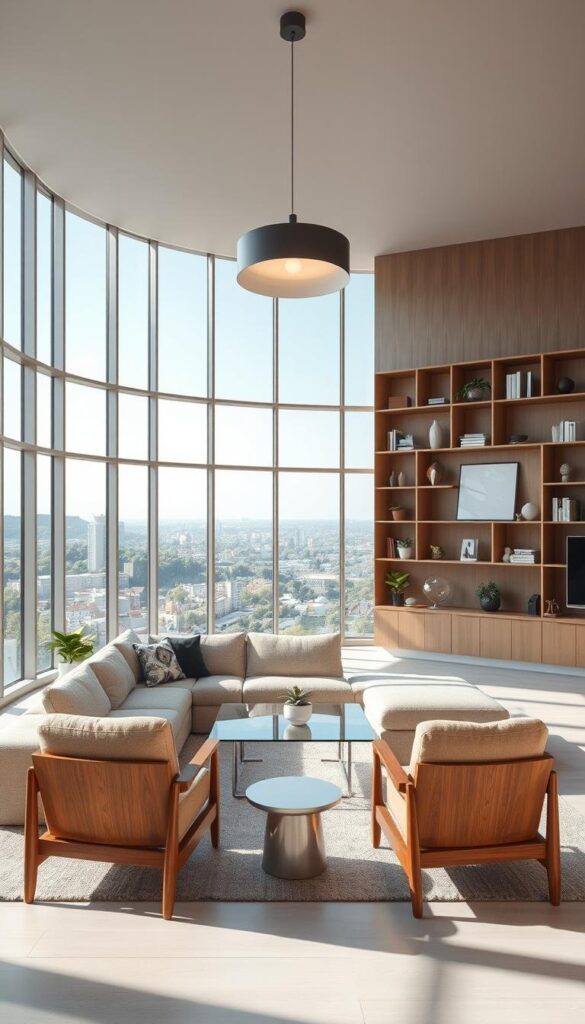
Changing how furniture is arranged in a room is a smart modern home decor move. A well-thought-out layout makes a room more functional and visually pleasing. You can do this without buying new furniture.
Rearranging for Flow
Open spaces work best when paths are clear. Here's how to make it happen:
- Measure your room to plan furniture spots.
- Put sofas or chairs facing each other for better chats.
- Make sure there's at least 3 feet between furniture and walkways.
Moving a coffee table closer to where people sit can make a room feel more connected.
Multi-Functional Furniture
Modern decor loves furniture that does more than one thing. Look for:
- Couches with hidden storage.
- Dining tables that grow to fit more people.
- Desk chairs that also work at the dinner table.
Brands like IKEA have modular storage that's both stylish and useful.
Zone Creation
Make different areas without using walls. Use:
Rugs to mark off spaces like work areas or lounges. Floating shelves or tall plants can also act as dividers. For rooms that do two things, put a sectional in one corner and a desk in another. A bookshelf can help separate these areas.
Textiles and Fabrics: Adding Warmth
Textiles and fabrics make spaces cozy and inviting. The right fabrics can make a room look better and feel more comfortable. Soft throws and textured rugs add layers that make you want to relax and enjoy the style.
“Texture is the silent hero of interior design—it whispers comfort and shouts personality.”
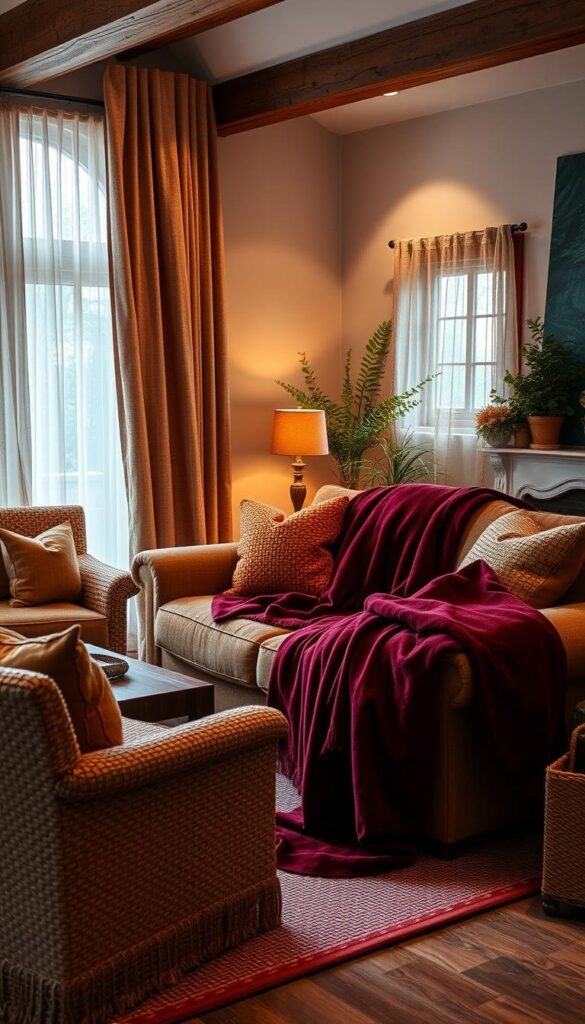
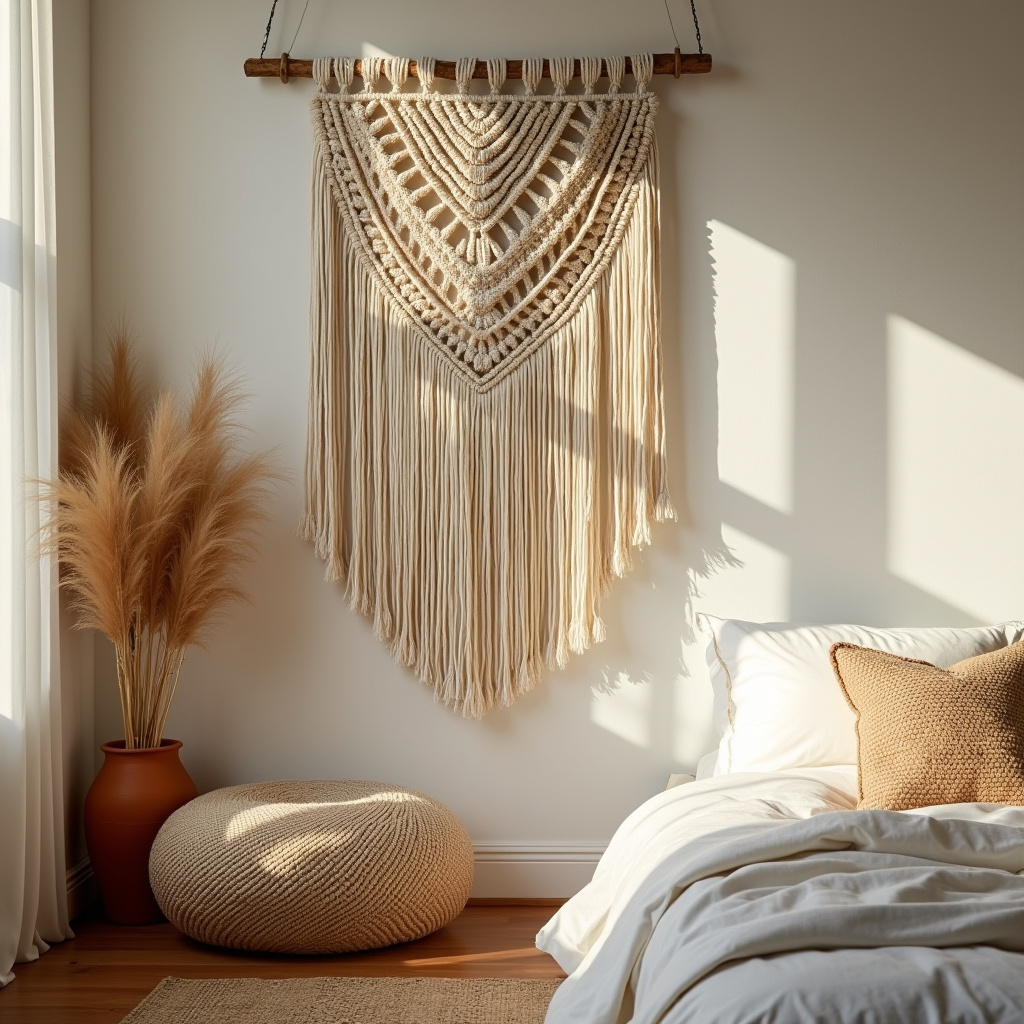
Begin with pillows and throws. Mix different patterns and solids to keep things interesting. Try geometric pillows with solid-colored furniture, or use chunky-knit throws over seats. Natural fibers like cotton or wool bring warmth to any room.
Area rugs help define spaces and add comfort. A bold-patterned rug can draw attention under a coffee table. Or, a neutral shag rug can soften hardwood floors. Rugs also make rooms quieter and more comfortable to walk on.
Window treatments enhance views and control light. Use sheers with blackout panels for privacy and mood. Woven rattan shades warm up sunrooms, while velvet drapes add elegance to formal areas. Choose fabrics that match the room's purpose—light linens for kitchens, plush velvets for bedrooms.
- Coordinate fabric colors with existing decor for cohesion.
- Use textured throws as focal points on bare chairs or couches.
- Test rug sizes first by laying down brown paper cut to size before purchasing.
Wall Art: Personalize Your Space
Turn blank walls into showcases of your personality with wall art. Photos, paintings, and more tell your story. Start small or go bold—your walls deserve a voice.
Gallery Walls: A Visual Story
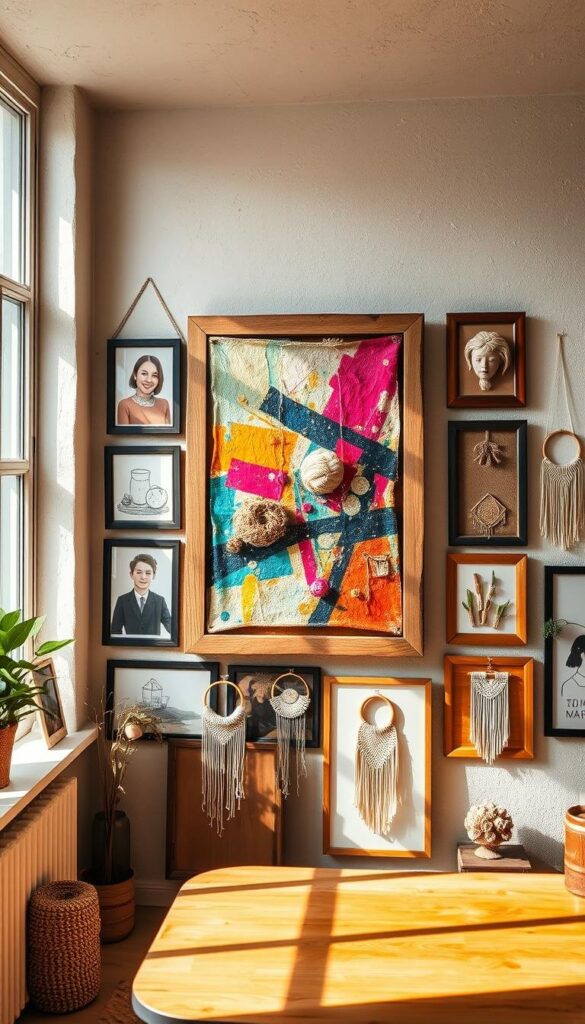
Mix and match frames in different sizes. Add travel postcards, kids’ drawings, or vintage maps. Balance symmetry with asymmetry for a dynamic look. Thrift stores offer affordable frames—IKEA and Wayfair have great options.
Canvas vs. Framed Art
- Canvas prints: Modern and easy to install (no glass needed).
- Framed art: Versatile—pair with any decor style.
- Tip: Use a level and measuring tape for perfect alignment.
DIY Art Projects
Turn creativity into art with these ideas:
- Painted canvases: Try abstract designs with acrylic paints from Michaels.
- Photo collages: Mount printed photos on wooden boards.
- Upcycled frames: Sand old frames, repaint, and fill with fabric or maps.
“Art isn’t made—it’s uncovered.” — Author unknown
Combine store-bought pieces with DIY home decor projects for a balanced, personal aesthetic. Every nail hammered in is a step toward a space that reflects you.
Greenery: Bringing Nature Indoors
Adding plants to your space is an easy way to refresh your home. It's a great way to stick to affordable home decorating principles. Even small investments in greenery can transform rooms with life and color.
Houseplants for Every Room
Start small—snake plants thrive in low light, perfect for bathrooms or offices. Bright kitchens? Try a money tree for luck and lush leaves. Most plants need just water and sunlight.
Popular picks like pothos or succulents cost under $10. They adapt to any decor style.
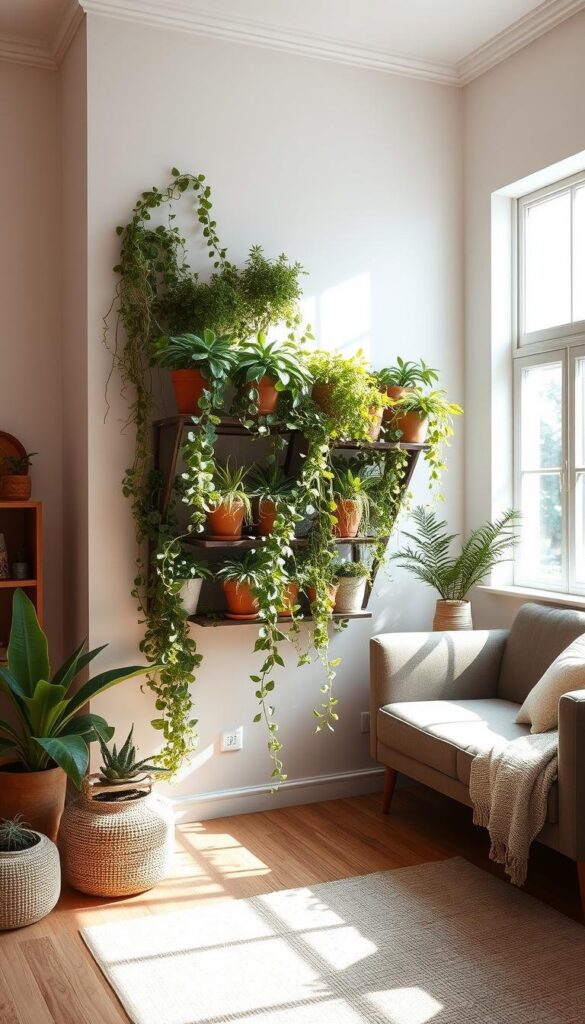
Vertical Gardens for Small Spaces
- Use wall-mounted planters to save floor space
- DIY options with reclaimed wood or canvas pockets cost under $20
- Brands like IKEA offer compact hanging planters starting at $15
Vertical setups let you grow herbs or small succulents without expensive setups. Thrift stores sell picture frames or shelves repurposed into plant holders.
Seasonal Floral Arrangements
Swap out flowers with the seasons for instant updates. Spring: daffodils or tulips. Winter: poinsettias or evergreens. Hit farmers' markets for blooms priced by the bunch.
Mix fresh flowers with dried elements like eucalyptus for longer-lasting displays.
“Houseplants improve air quality and reduce stress—nature’s budget-friendly decor upgrade.”
Pair these tips with thrifted pots or recycled containers to keep costs low. Greenery doesn’t just add life—it’s a cornerstone of affordable home decorating that anyone can enjoy.
Accessories: The Finishing Touches
Small decorative objects can change a room's vibe. From vases to figurines, they let you try new trends without big commitments. Seasonal home decor changes are easy with accessories—just swap a few items each season to keep things fresh.
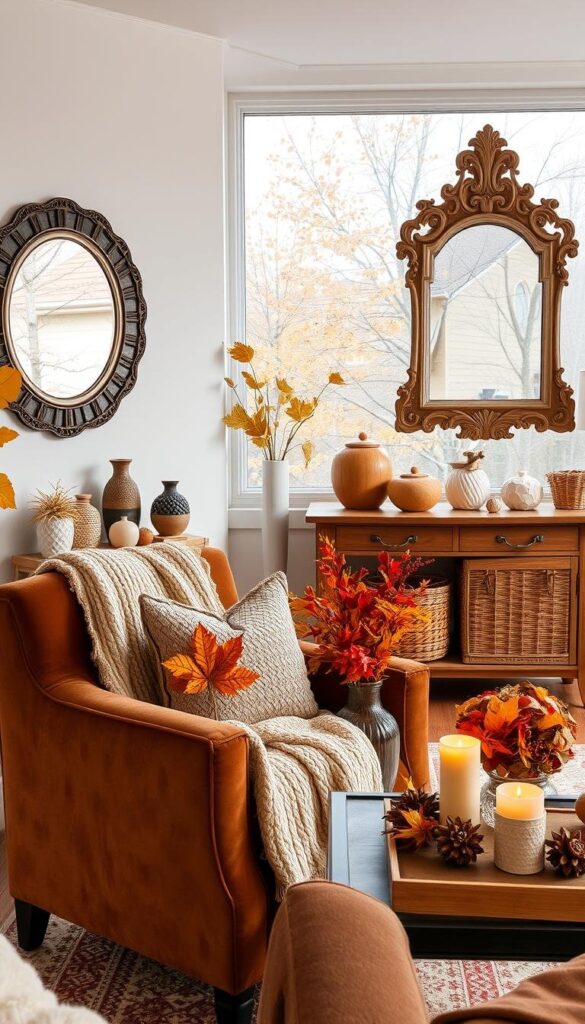
Choose decorative objects that show your style. Pick items like ceramic bowls or woven baskets for texture. Thrift stores like Goodwill or online shops like Etsy have affordable, unique finds. Group similar items together—like three small sculptures on a shelf—to create harmony.
For seasonal home decor changes, think about changing decor yearly. Try:
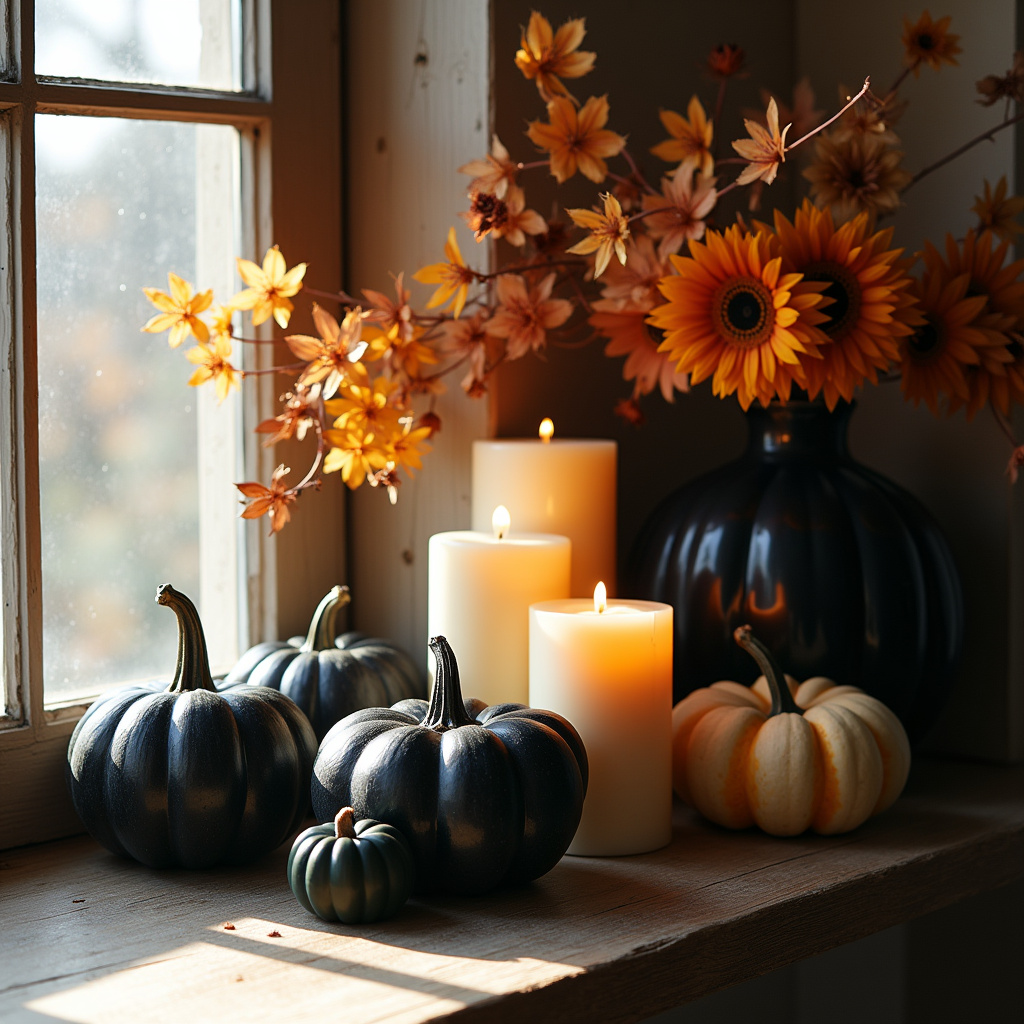
- Fall: Display gourds and wool blankets.
- Winter: Add metallic candleholders and evergreen garlands.
- Spring: Swap in pastel-colored cushions and floral arrangements.
Mix old and new pieces to avoid clutter. A vintage porcelain figurine next to a minimalist table lamp works well. Layer objects vertically—stack books horizontally on a console table, then add a small potted plant on top.
Decluttering: Less is More
Decluttering turns chaos into calm. Start by sorting items into three piles: keep, donate, or discard. A clutter-free home feels brighter and more inviting.
Tips for Efficient Decluttering
- Sort items by category: clothes, books, or gadgets.
- Ask: “When was the last time I used this?” to decide what stays.
- Store seasonal items in labeled bins to keep daily spaces clear.
Organizing Spaces Effectively
- Use slim shelves to maximize wall storage without bulk.
- Install floating racks for keys, wallets, and sunglasses near entryways.
- Adopt stackable containers for under-bed or closet storage.
Creating a Minimalist Vibe
Minimalism isn’t about emptiness—it’s about intention. Replace crowded shelves with one elegant vase or a framed photo. Choose furniture with clean lines and neutral tones to avoid visual noise. As design guru Marie Kondo advises, “Simplify your surroundings to focus on what brings you joy.”
Budget-Friendly Updates: Decor on a Dime
Updating your home doesn't have to cost a lot. You can find great deals by thrifting, doing DIY projects, and spending wisely. These tips show you can have style without spending a lot.
Thrifting for Unique Finds
Local thrift stores like Goodwill or Habitat for Humanity Resale shops have amazing finds. Look for vintage frames, quirky decor, or secondhand textiles. A $10 side table painted in bold colors can become a standout piece without spending a lot.
DIY Projects with Affordable Materials
Michaels and craft stores sell paint, fabric, and decor supplies for under $20. You can repaint furniture or make wall art from canvas boards. Even repurposing mason jars as vases or stringing fairy lights can add charm.
Smart Spending on Decor Essentials
Stores like Target and Walmart have basics like neutral rugs or LED string lights at good prices. Focus on versatile items that work in many rooms, like woven baskets for storage or gallery wraps for walls. Small investments can lead to big changes.
Every dollar matters when decorating. Mix these ideas to keep costs low while staying creative. A fresh plant from Dollar Tree or a reorganized shelf can bring joy without spending much. Let these ideas inspire your next update—style is always within reach.