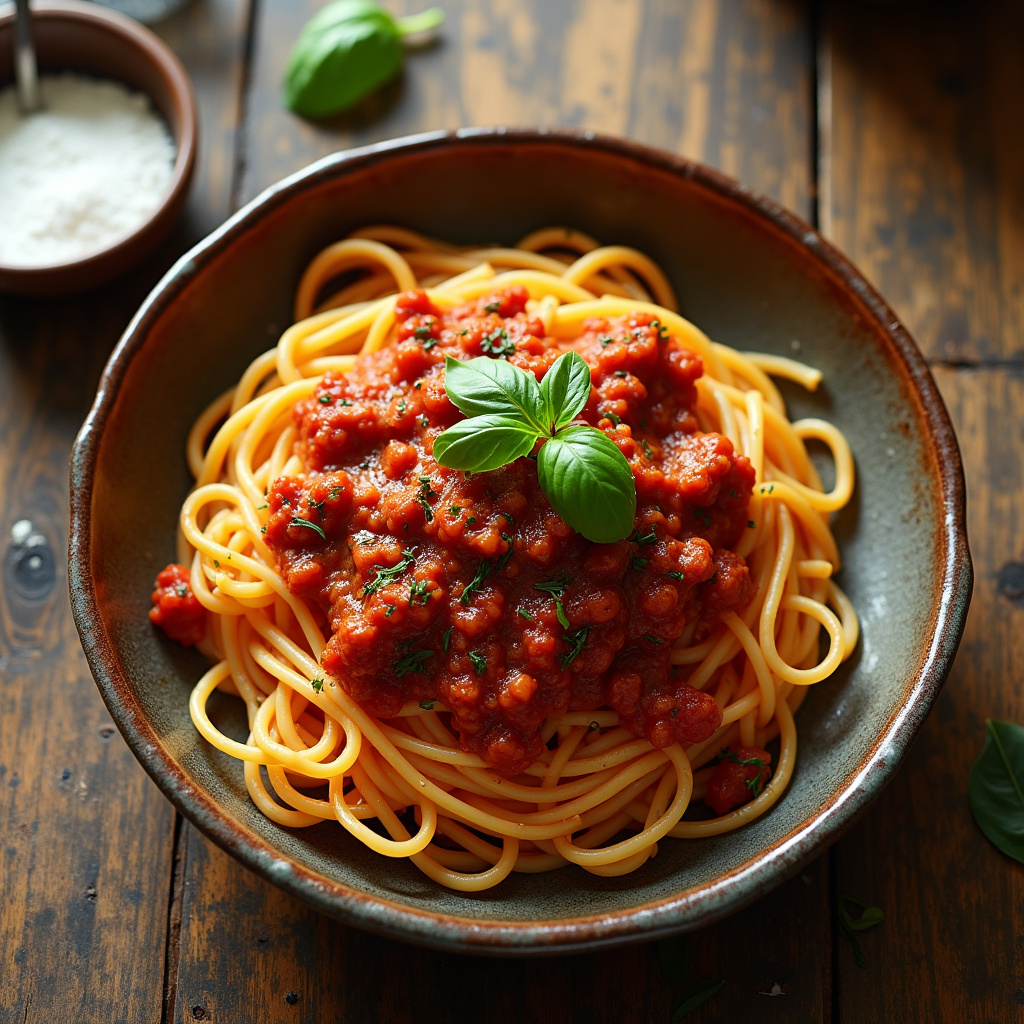
There's something absolutely magical about a bowl of Pasta Primavera on a spring evening when the farmers market is overflowing with gorgeous vegetables. This is the recipe I turn to when I want dinner to feel special but don't want to spend hours in the kitchen. Fresh, vibrant, and loaded with tender-crisp vegetables tossed in a light garlic cream sauce, it's basically spring on a plate. You'll love how quickly it comes together and how incredible your kitchen smells while you're making it. This is comfort food that actually feels good to eat.
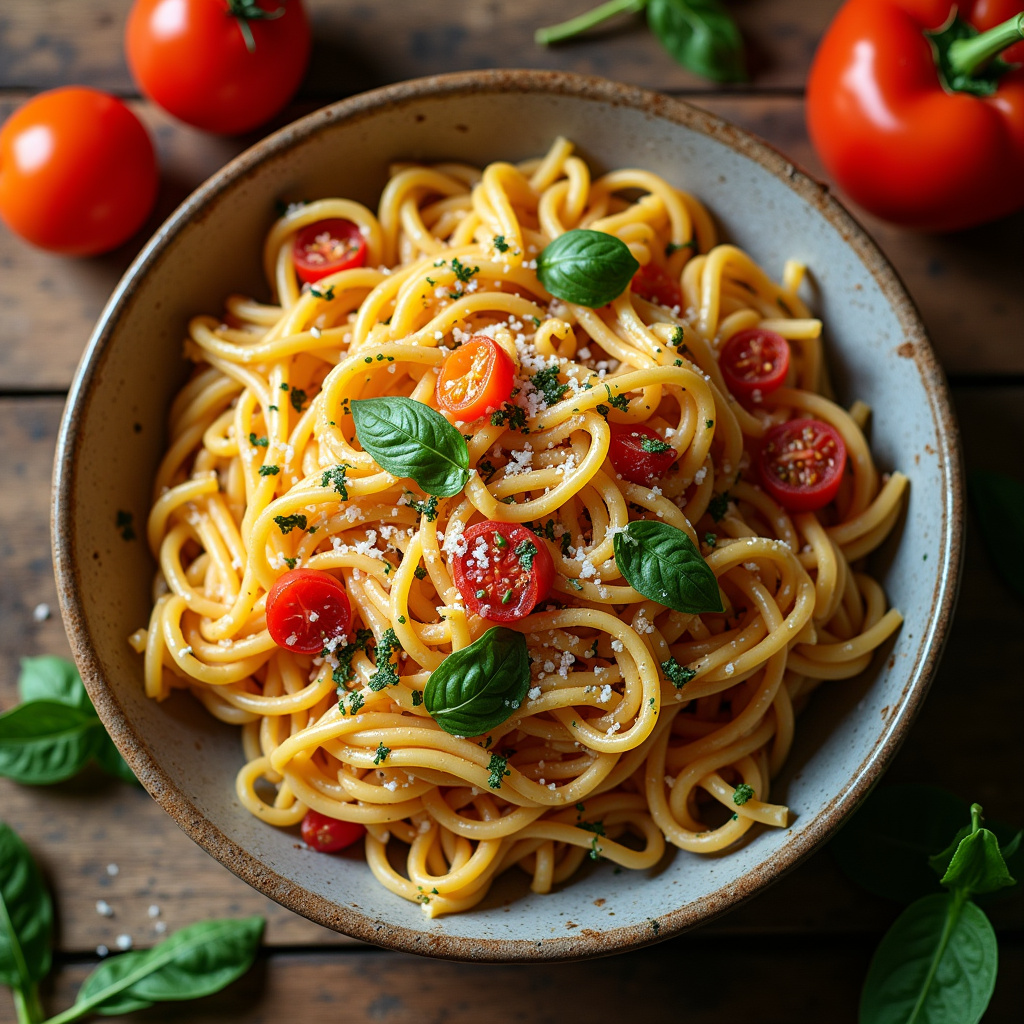
Why You'll Love This Recipe
- ✓Ready in just 30 minutes from start to finish, perfect for busy weeknights
- ✓Uses whatever spring vegetables you have on hand—incredibly flexible
- ✓Light cream sauce that coats every piece without feeling heavy
- ✓Makes incredible leftovers that actually taste better the next day
- ✓Looks absolutely restaurant-worthy but costs a fraction of the price
- ✓Everyone from picky kids to dinner guests requests seconds every single time
Prep Time
15 mins
Cook Time
15 mins
Total Time
30 mins
Servings
6
Ingredients
Everything you need is probably already in your kitchen or waiting for you at the produce section.
For the pasta:
- 1 pound (450g) penne or farfalle pasta
- 1 tablespoon salt (for pasta water)
For the vegetables:
- 2 tablespoons (30ml) olive oil
- 1 medium red bell pepper, sliced into thin strips
- 1 medium yellow bell pepper, sliced into thin strips
- 2 cups (200g) broccoli florets, cut into bite-sized pieces
- 1 medium zucchini, halved lengthwise and sliced into half-moons
- 1 cup (100g) cherry tomatoes, halved
- 1 cup (150g) snap peas or snow peas, trimmed
- 4 cloves garlic, minced
- ½ teaspoon red pepper flakes (optional, for a little kick)
For the sauce:
- 3 tablespoons (42g) unsalted butter
- 1 cup (240ml) heavy cream
- ½ cup (120ml) reserved pasta water
- ¾ cup (75g) freshly grated Parmesan cheese
- Zest of 1 lemon
- 2 tablespoons (30ml) fresh lemon juice
- 1 teaspoon kosher salt, plus more to taste
- ½ teaspoon freshly ground black pepper
- ¼ cup (10g) fresh basil leaves, torn
- 2 tablespoons (8g) fresh parsley, chopped
Feel free to swap in asparagus, green beans, or yellow squash depending on what looks best at the market. Frozen vegetables work in a pinch—just thaw and pat them completely dry before cooking. If you can't find fresh Parmesan, the pre-grated stuff will work but the sauce won't be quite as silky.
How to Make Pasta Primavera
This comes together in one beautiful flow, so read through once before you start.
- Boil the pasta. Bring a large pot of water to a rolling boil over high heat. Add 1 tablespoon salt, then add the pasta. Cook according to package directions until al dente, usually 10-12 minutes. Before draining, scoop out and reserve 1 cup of the starchy pasta water—you'll need this for the sauce. Drain the pasta and set aside.
- Prep your vegetables. While the pasta cooks, slice all your vegetables so they're ready to go. The key is cutting everything to similar sizes so they cook evenly. Pat any wet vegetables completely dry with paper towels.
- Sauté the harder vegetables first. Heat 2 tablespoons olive oil in a large, deep skillet or Dutch oven over medium-high heat until it shimmers, about 1 minute. Add the bell peppers and broccoli. Cook for 4-5 minutes, stirring occasionally, until they're tender-crisp and starting to get golden brown edges.
- Add the softer vegetables. Toss in the zucchini and snap peas. Cook for another 3 minutes, stirring frequently, until the zucchini is just tender but still has a little bite. You want bright colors and some texture here, not mushy vegetables.
- Cook the garlic and tomatoes. Push the vegetables to the sides of the pan and add the minced garlic and red pepper flakes (if using) to the center. Cook for 30-45 seconds until incredibly fragrant but not browned. Stir in the cherry tomatoes and cook for 1-2 minutes until they just start to soften and release their juices.
- Make the cream sauce. Reduce heat to medium and add the butter to the pan. Once it melts, pour in the heavy cream and ½ cup of the reserved pasta water. Bring to a gentle simmer and cook for 2-3 minutes, stirring occasionally, until the sauce thickens slightly and coats the back of a spoon.
- Add the cheese and lemon. Remove the pan from heat. Stir in the Parmesan cheese, lemon zest, and lemon juice. The sauce should become glossy and creamy. Season with 1 teaspoon salt and ½ teaspoon pepper. Taste and adjust—you might want more lemon or salt depending on your vegetables.
- Combine pasta and sauce. Add the drained pasta directly to the skillet with the vegetables and sauce. Toss everything together gently but thoroughly, using tongs to coat every piece. If the sauce seems too thick, add more reserved pasta water a tablespoon at a time until you get a silky consistency that clings to the pasta without pooling at the bottom.
- Add fresh herbs. Remove from heat and fold in the torn basil and chopped parsley. These add incredible freshness and color—don't skip them.
- Serve immediately. Transfer to a large serving bowl or individual plates. Top with extra Parmesan, a drizzle of olive oil, and a few grinds of black pepper. Serve while it's hot and steamy for the best texture and flavor.
💡 Chef's Tips
Don't overcook your vegetables: They continue cooking in the hot sauce, so pull them off the heat when they still have a little snap. Mushy vegetables make the whole dish feel heavy instead of fresh and vibrant.
Use the pasta water strategically: That starchy water is liquid gold—it helps the sauce cling to the pasta and brings everything together. Add it gradually until you get that perfect glossy coating.
Grate your own Parmesan: Pre-shredded cheese has anti-caking agents that prevent it from melting smoothly. Freshly grated Parmesan makes the sauce incredibly silky and adds way more flavor.
Recipe Variations
◆ Protein-Packed Primavera
Add grilled chicken breast, sautéed shrimp, or pan-seared salmon for a heartier meal. Cook your protein separately and toss it in at the end so it stays perfectly tender. Leftover rotisserie chicken works beautifully too—just shred it and warm it through in the sauce.
◆ Vegan Primavera
Swap the butter for olive oil, use full-fat coconut cream instead of heavy cream, and replace Parmesan with nutritional yeast or vegan parmesan. The lemon becomes even more important here to brighten everything up. Add a handful of toasted pine nuts or cashews for richness and texture.
◆ Spicy Garlic Primavera
Double the garlic, increase the red pepper flakes to 1 teaspoon, and add a splash of white wine when you make the sauce. Finish with a drizzle of chili oil or a sprinkle of Calabrian chili paste for serious heat. This version is incredible with Italian sausage crumbled into the vegetables.
What to Serve With Pasta Primavera
This pasta is a complete meal on its own, but these sides make it even better:
- Garlic bread or focaccia — perfect for soaking up every drop of that creamy sauce
- Simple arugula salad — toss baby arugula with lemon vinaigrette, shaved Parmesan, and toasted pine nuts for contrast
- Caprese salad — fresh mozzarella, tomatoes, and basil with good balsamic keeps the Italian theme going
- Roasted asparagus — adds another layer of spring flavor and looks gorgeous on the plate
Storage & Make-Ahead Tips
Refrigerator: Store leftovers in an airtight container in the fridge for up to 4 days. The vegetables will soften a bit, but the flavors actually deepen overnight. Reheat gently in a skillet over medium-low heat with a splash of cream or milk to bring the sauce back to life. Microwave works too, but stir every 30 seconds to heat evenly.
Freezer: Cream-based pasta doesn't freeze perfectly—the sauce can separate when thawed—but if you must, freeze for up to 2 months in a freezer-safe container. Thaw overnight in the fridge, then reheat on the stovetop with extra cream and a generous splash of pasta water, stirring constantly. The texture won't be quite as silky, but it'll still taste delicious.
Make-ahead option: Prep all your vegetables up to 24 hours ahead and store them in the fridge in separate containers. Cook the pasta and make the sauce fresh when you're ready to serve—it only takes 15 minutes and the results are so much better than reheating. You can also cook the vegetables a few hours ahead and reheat them gently before tossing with fresh pasta and sauce.
Common Mistakes to Avoid
✗ Crowding the pan
When your vegetables are piled too high, they steam instead of getting those beautiful caramelized edges. Use your largest skillet or work in batches. You want them to have room to breathe and actually touch the hot surface of the pan.
✗ Adding cheese while the pan is too hot
If your pan is still over direct heat when you add Parmesan, the cheese will clump and turn grainy instead of melting smoothly into the sauce. Always remove from heat first, let it cool for 30 seconds, then stir in the cheese gradually.
✗ Overcooking the pasta
Mushy pasta ruins everything. Cook it exactly to al dente according to the package—it should have a slight firmness when you bite it. Remember, it'll continue cooking slightly when you toss it with the hot sauce and vegetables.
✗ Skipping the fresh herbs
Dried herbs won't give you the same bright, fresh flavor. The basil and parsley added at the end are what make this taste like spring. If you absolutely can't find fresh, use the dried herbs in the sauce while it cooks, but the dish won't have that same vibrant finish.
Frequently Asked Questions
Can I use a different type of pasta?
Absolutely. Penne and farfalle are ideal because they have nooks that catch the sauce, but rigatoni, fusilli, rotini, or even spaghetti work beautifully. Just stick with something substantial enough to hold up to all those vegetables. Cook time might vary slightly, so check your package directions.
How do I keep the vegetables from getting soggy?
Cook them over medium-high heat without stirring too much, which lets them develop some color and keeps them from steaming. Pull them off the heat when they're still slightly crisp—they'll finish cooking in the residual heat of the sauce. And never cover the pan while cooking vegetables for this dish.
Can I make this dish lighter?
Yes. Replace the heavy cream with half-and-half or even whole milk, though the sauce won't be quite as rich. You can also use less butter and rely more on the pasta water to create the sauce. Another option is to skip the cream entirely and toss everything with olive oil, garlic, pasta water, and tons of Parmesan for a lighter but still delicious version.
What's the best way to reheat leftovers?
Stovetop is your best bet. Add the pasta to a skillet over medium-low heat with 2-3 tablespoons of cream, milk, or even just water. Stir gently and frequently until it's heated through and the sauce comes back together, about 5 minutes. Microwave works but tends to dry it out—if you go that route, add liquid and stir every 30 seconds.
Can I add other vegetables?
Of course. Asparagus, green beans, mushrooms, cauliflower, carrots, and spinach all work wonderfully. Just pay attention to cooking times—harder vegetables like carrots should go in early with the bell peppers, while delicate greens like spinach should be stirred in at the very end so they just wilt.
Save this recipe for
Pasta Primavera
A vibrant and fresh spring pasta loaded with crisp seasonal vegetables in a light garlic cream sauce.
🧂 Ingredients
- 12 oz penne pasta
- 2 tbsp olive oil
- 3 cloves garlic, minced
- 1 cup broccoli florets
- 1 cup cherry tomatoes, halved
- 1 yellow bell pepper, sliced
- 1 zucchini, sliced into half-moons
- 1 cup snap peas
- 1 cup heavy cream
- ½ cup grated Parmesan cheese
- Salt and black pepper to taste
- Fresh basil for garnish
📋 Instructions
- Cook pasta according to package directions until al dente, drain and reserve 1 cup pasta water.
- Heat olive oil in a large skillet over medium-high heat.
- Add garlic and sauté for 30 seconds until fragrant.
- Add broccoli, bell pepper, and zucchini, cook for 5 minutes until tender-crisp.
- Add cherry tomatoes and snap peas, cook for 2 more minutes.
- Pour in heavy cream and bring to a simmer, cook for 3 minutes.
- Stir in Parmesan cheese until melted and smooth.
- Add cooked pasta and toss to coat, adding pasta water if needed to loosen sauce.
- Season with salt and pepper, garnish with fresh basil and serve immediately.