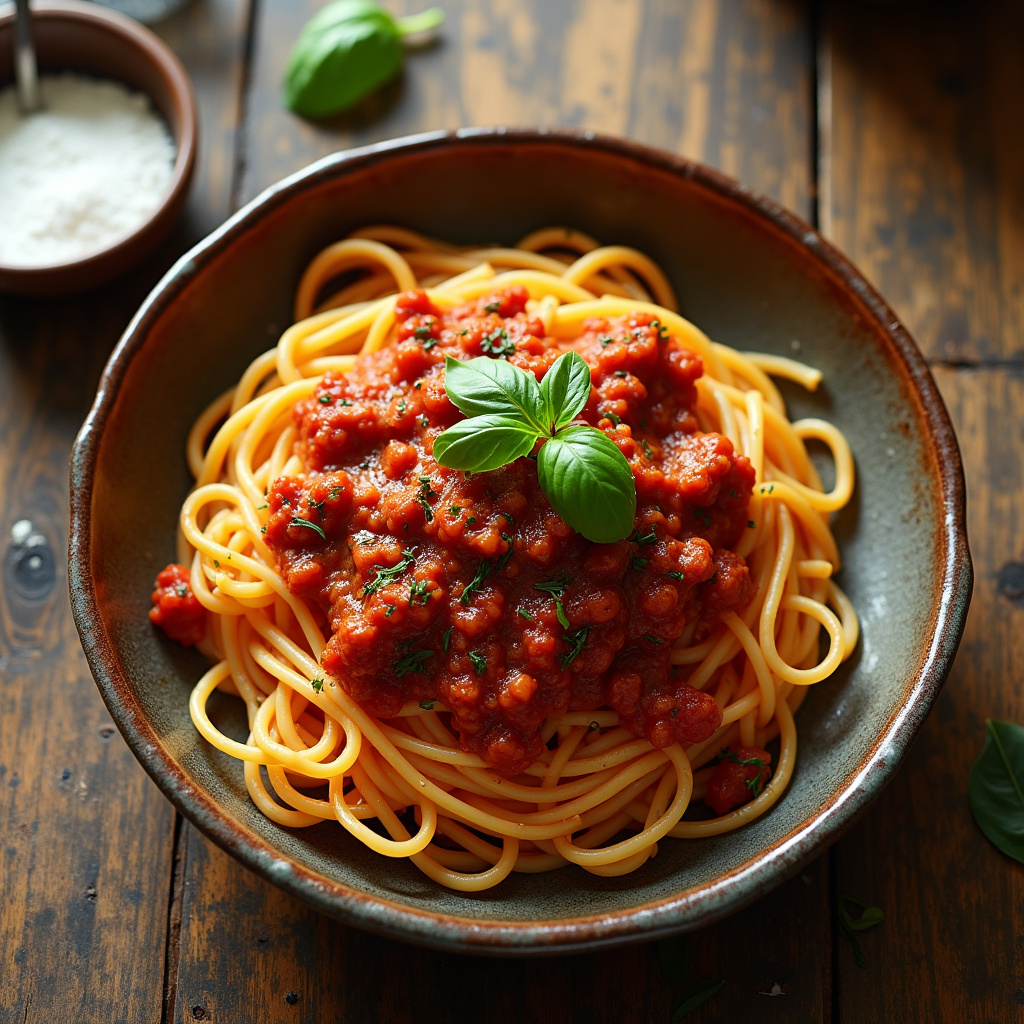
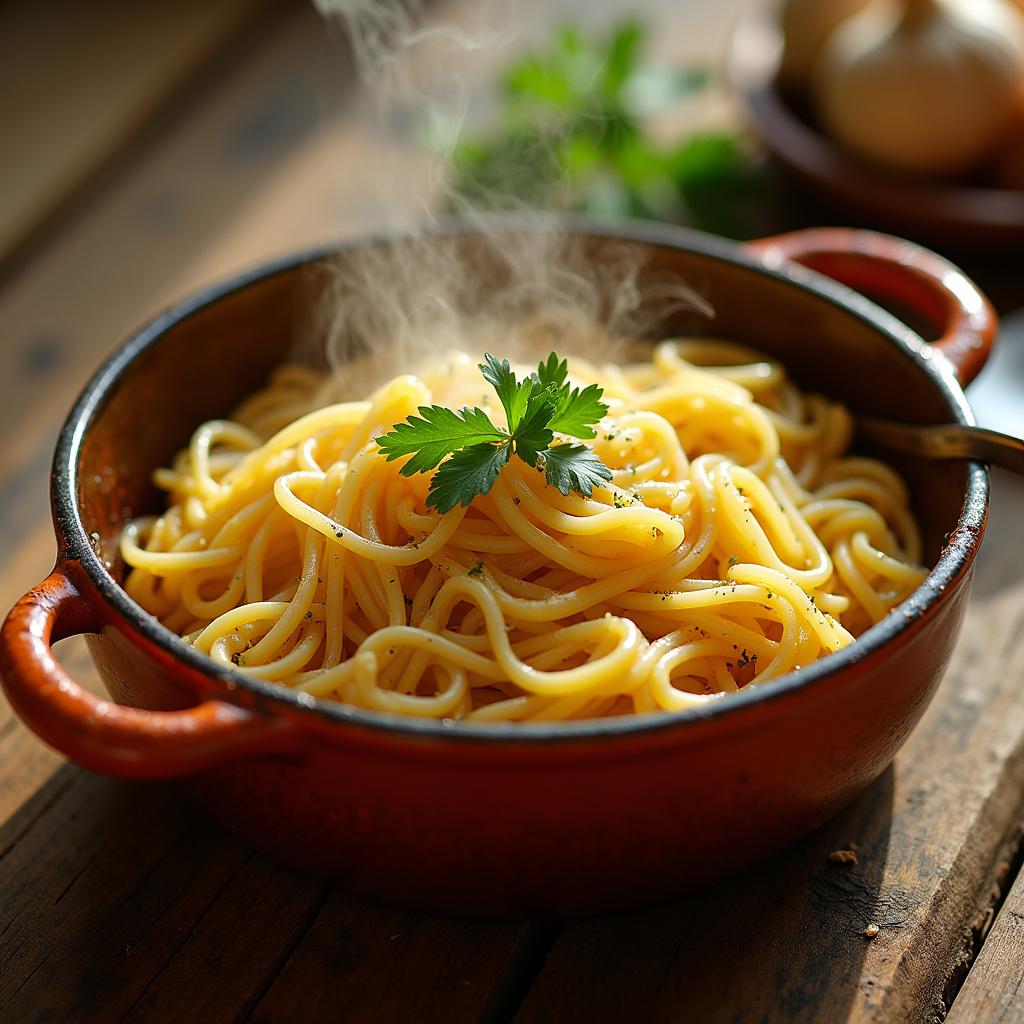
There's something deeply comforting about a dinner that comes together in one pot with ingredients you probably already have. This one-pot garlic pasta is the kind of weeknight magic that feels fancy but takes less than 20 minutes from start to finish. The pasta cooks directly in garlic-infused broth, soaking up all that flavor while creating its own silky sauce. I make this at least twice a month when I need something quick, cozy, and absolutely delicious. It's become my go-to when I'm too tired to think but still want something that tastes like I put in real effort.
Why You'll Love This Recipe
- ✓Everything cooks in one pot — pasta, sauce, and all — which means minimal cleanup and maximum flavor
- ✓Ready in under 20 minutes with just 8 simple ingredients you likely have on hand
- ✓The pasta absorbs the garlicky broth as it cooks, creating a naturally creamy sauce without heavy cream
- ✓Easily customizable with vegetables, protein, or whatever needs to be used up in your fridge
- ✓Restaurant-quality garlic flavor that'll make your kitchen smell absolutely incredible
- ✓Perfect for busy weeknights but impressive enough to serve to guests
Prep Time
5 mins
Cook Time
15 mins
Total Time
20 mins
Servings
4
Ingredients
This recipe keeps things beautifully simple with pantry staples and fresh garlic.
- 12 oz (340g) linguine or spaghetti
- 6 tablespoons olive oil
- 8-10 garlic cloves, thinly sliced
- 1/2 teaspoon red pepper flakes (adjust to taste)
- 3 1/2 cups (840ml) vegetable or chicken broth
- 1/2 cup (120ml) dry white wine (or use extra broth)
- 1/2 cup (50g) freshly grated Parmesan cheese, plus more for serving
- 1/4 cup (15g) fresh parsley, chopped
- Salt and black pepper to taste
- Zest of 1 lemon (optional, for brightness)
The quality of your olive oil and Parmesan really matters here since they're front and center. Use the good stuff if you can. If you don't have fresh parsley, basil works beautifully too. You can swap the white wine for additional broth with a squeeze of lemon juice for acidity.
How to Make One-Pot Garlic Pasta
This foolproof method ensures perfectly cooked pasta with maximum garlic flavor in every bite.
- Heat the oil and toast the garlic. In a large, deep skillet or Dutch oven over medium heat, add the olive oil and sliced garlic. Cook for 2-3 minutes, stirring frequently, until the garlic just begins to turn golden and becomes incredibly fragrant. Don't let it brown too much or it'll taste bitter.
- Add the heat. Stir in the red pepper flakes and cook for another 30 seconds until you can really smell that spicy aroma. This blooms the flavor of the pepper flakes in the oil.
- Pour in the liquids. Add the broth and white wine to the pot. Increase the heat to high and bring the mixture to a rolling boil. This should take about 3-4 minutes.
- Add the pasta. Once boiling, add the pasta directly to the pot. Use tongs to push it down into the liquid as it softens. Make sure all the strands are submerged.
- Cook and stir frequently. Reduce heat to medium-high and cook for 9-11 minutes, stirring every 2 minutes to prevent sticking. The pasta should absorb most of the liquid and become tender. Don't cover the pot — you want some evaporation to concentrate the flavors.
- Check for doneness. Taste the pasta at the 9-minute mark. It should be al dente with just a small amount of liquid remaining in the pot. The liquid should look slightly creamy from the pasta's starch.
- Add the cheese. Remove from heat and immediately stir in the Parmesan cheese. The residual heat will melt it into a silky coating. Add a splash more broth if the pasta seems too dry.
- Finish with freshness. Stir in the chopped parsley and lemon zest if using. Taste and adjust seasoning with salt and black pepper. The pasta should be glossy and aromatic.
- Let it rest briefly. Allow the pasta to sit in the pot for 2 minutes off the heat. This helps the sauce thicken slightly and cling to each strand.
- Serve immediately. Divide among bowls and top with extra Parmesan, a drizzle of olive oil, and more parsley if desired. Serve while hot for the best texture and flavor.
💡 Cook's Tips
Don't walk away: This pasta needs attention while it cooks. Stir it every couple of minutes to prevent sticking and ensure even cooking. The stirring also helps release starch for a creamier sauce.
Adjust the liquid: Different pasta shapes absorb liquid at different rates. Keep an extra cup of warm broth nearby and add splashes if the pot looks too dry before the pasta is tender.
Reserve some cooking liquid: If you accidentally cook off too much liquid, pasta water is your friend. A few splashes will bring back that silky sauce consistency.
Recipe Variations
◆ Creamy Garlic Pasta
Stir in 1/3 cup of heavy cream or half-and-half along with the Parmesan for an ultra-rich, restaurant-style sauce. You can also add a couple tablespoons of cream cheese for extra body. This transforms it into something that feels truly indulgent while keeping the same easy one-pot method.
◆ Garlic Shrimp Pasta
Add 1 pound of raw shrimp (peeled and deveined) during the last 4 minutes of cooking time. They'll cook perfectly in the garlicky broth and add protein to make this a complete meal. Season the shrimp with a little salt and paprika before adding for extra flavor. You can also use pre-cooked shrimp — just toss them in during the last minute to warm through.
◆ Veggie-Loaded Garlic Pasta
Stir in fresh spinach, cherry tomatoes, or asparagus during the last 3-4 minutes of cooking. The vegetables will soften and release their juices into the pasta, adding nutrition and color. Sun-dried tomatoes also work beautifully here — just chop them and add with the garlic for concentrated tomato flavor. Frozen peas are another great last-minute addition that sweetens the whole dish.
What to Serve With One-Pot Garlic Pasta
This pasta is delicious on its own but pairs beautifully with these sides:
- Simple arugula salad — dress peppery arugula with lemon juice, olive oil, and shaved Parmesan for a fresh contrast to the rich pasta
- Garlic bread — yes, more garlic! Crispy, buttery bread is perfect for soaking up any extra sauce in your bowl
- Roasted vegetables — Brussels sprouts, broccoli, or zucchini roasted with olive oil and herbs add substance and color to your plate
- Burrata or fresh mozzarella — tear creamy burrata over the top for an extra-luxe presentation that feels special enough for guests
Storage & Make-Ahead Tips
- Refrigerator: Store leftovers in an airtight container for up to 3 days. The pasta will absorb more liquid as it sits, so add a splash of broth or water when reheating. Reheat gently on the stovetop over medium-low heat or in the microwave in 30-second intervals.
- Freezer: This pasta doesn't freeze particularly well as the texture changes and it can become mushy. If you must freeze, undercook it slightly and store in freezer bags for up to 1 month. Thaw overnight in the fridge and reheat with extra liquid.
- Make-ahead: You can prep the garlic slicing and measure out ingredients ahead of time, but this pasta is best made fresh since it only takes 20 minutes. If you have leftover pasta, transform it into a baked pasta dish by topping with mozzarella and broiling until bubbly.
Common Mistakes to Avoid
✗ Burning the garlic
Garlic goes from golden to bitter in seconds. Watch it carefully and keep the heat at medium. If it starts browning too fast, pull the pan off the heat immediately and add the liquids to stop the cooking. Burnt garlic will ruin the whole dish, so when in doubt, go lighter.
✗ Using too little liquid
The pasta needs enough liquid to cook through completely. If you use less than the recipe calls for, you'll end up with crunchy pasta and no sauce. Start with the full amount and you can always simmer longer to reduce if it's too liquidy. Different pot sizes can affect evaporation, so keep warm broth nearby to adjust.
✗ Adding cheese to boiling pasta
If the pasta is still violently bubbling when you add Parmesan, the cheese can clump and become grainy instead of melting smoothly. Always remove from heat first, let it settle for 30 seconds, then stir in the cheese. The residual heat is plenty to melt it into that silky sauce.
✗ Forgetting to stir regularly
Pasta sitting on the bottom of the pot will stick and possibly burn. Stir every 2 minutes throughout cooking to ensure even cooking and prevent a stuck-on mess. This also helps release starch into the liquid, which creates that naturally creamy sauce texture you're after.
Frequently Asked Questions
Can I use a different type of pasta?
Absolutely! Long pasta like spaghetti, fettuccine, or angel hair work best since they cook evenly in the liquid. Short pasta like penne or rigatoni can work too, but you may need to add an extra 1/2 cup of broth and a few more minutes of cooking time. Avoid very small shapes like orzo, which will absorb liquid too quickly.
Do I need to use wine in this recipe?
Not at all. The wine adds acidity and depth, but you can replace it with an equal amount of broth plus a tablespoon of lemon juice or white wine vinegar. The acid helps brighten the garlic flavor and cut through the richness of the olive oil and cheese. Apple cider vinegar works in a pinch too.
Why is my pasta sticky or clumpy?
This usually happens when there wasn't enough liquid or you didn't stir frequently enough. Make sure you're starting with the full 3 1/2 cups of broth plus the wine, and stir every couple of minutes. If it's already sticky, add warm broth a splash at a time and stir vigorously to loosen it up.
Can I make this gluten-free?
Yes! Use your favorite gluten-free pasta, but keep in mind that GF pasta sometimes requires more liquid and cooks at different rates. Start checking for doneness a minute or two earlier than the package directions suggest, and keep extra broth handy. Some GF pastas get mushy quickly, so watch it closely toward the end.
How do I reheat leftovers without drying them out?
Add 2-3 tablespoons of broth or water to the pasta before reheating. On the stovetop, heat gently over medium-low, stirring frequently until warmed through. In the microwave, cover the bowl with a damp paper towel and heat in 30-second bursts, stirring between each. The extra moisture will revive the sauce and prevent dry, clumpy pasta.
📌 Love this recipe? Pin it to your weeknight dinner board and share it with friends who need a fast, delicious meal!
One-Pot Garlic Pasta
A creamy, garlicky pasta dish that comes together in one pot for minimal cleanup and maximum flavor.
🧂 Ingredients
- 12 oz spaghetti or linguine
- 6 cloves garlic, minced
- 3 cups vegetable broth
- 2 tablespoons olive oil
- 1/2 cup heavy cream
- 1/2 cup grated Parmesan cheese
- 1 teaspoon red pepper flakes
- Salt and black pepper to taste
- Fresh parsley, chopped for garnish
📋 Instructions
- Heat olive oil in a large pot over medium heat and sauté minced garlic for 1 minute until fragrant.
- Add spaghetti, vegetable broth, and red pepper flakes to the pot.
- Bring to a boil, then reduce heat and simmer for 10-12 minutes, stirring occasionally, until pasta is al dente and liquid is mostly absorbed.
- Stir in heavy cream and Parmesan cheese until melted and creamy.
- Season with salt and pepper, garnish with fresh parsley, and serve immediately.
This one-pot garlic pasta has everything you want in a weeknight dinner — bold flavor, minimal dishes, and that cozy, comforting vibe that makes you want seconds. It's proof that simple ingredients can create something truly special when you let them shine. Save this for your next grocery run and discover more delicious recipes at Top Lifestyle News.