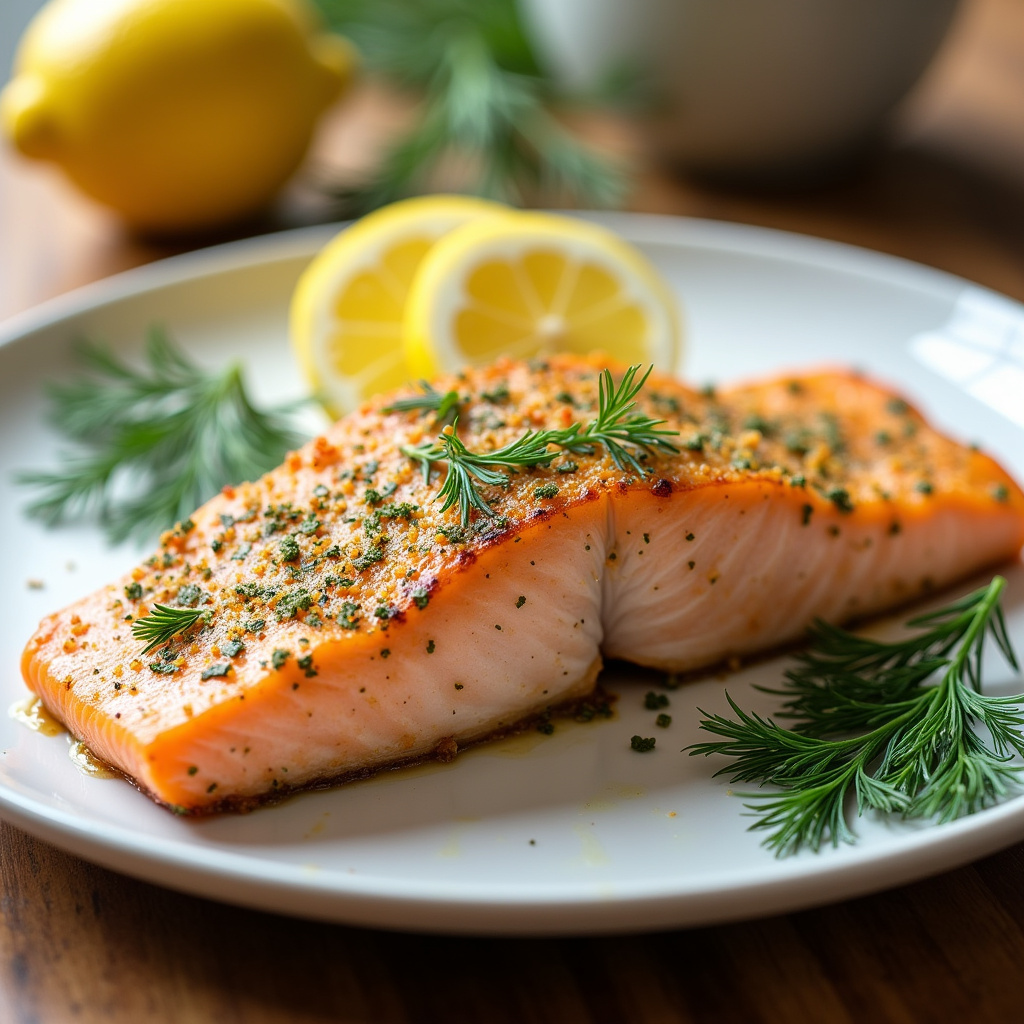
This one-pan lemon herb salmon delivers restaurant-quality results with almost zero cleanup. The salmon turns out perfectly flaky with crispy edges, and everything roasts together in less than 30 minutes. It's the recipe I turn to when I need something that looks impressive but doesn't require standing over the stove. Whether you're meal prepping for the week or cooking a quick weeknight dinner, this one-pan wonder makes healthy eating feel effortless. The bright lemon and fresh herbs make every bite taste like springtime, no matter what month it is.
Why You'll Love This Recipe
- ✓Everything cooks on one sheet pan — salmon, vegetables, and seasonings all together with zero extra dishes
- ✓Ready in 25 minutes total, making it faster than takeout and infinitely healthier
- ✓The herb butter creates a golden, crispy top while keeping the salmon incredibly moist inside
- ✓Naturally gluten-free, dairy-free, and keto-friendly without any substitutions needed
- ✓Looks absolutely gorgeous straight from the oven — perfect for both meal prep containers and dinner guests
- ✓The vegetables caramelize beautifully and soak up all those lemony herb flavors from the salmon
Prep Time
10 mins
Cook Time
15 mins
Total Time
25 mins
Servings
4
Ingredients
You'll need simple, fresh ingredients that let the salmon shine.
For the salmon:
- 4 salmon fillets (6 oz/170g each), skin-on or skinless
- 3 tablespoons olive oil (45ml), divided
- 2 lemons (1 sliced thin, 1 for juice)
- 4 cloves garlic, minced
- 2 tablespoons fresh dill, chopped (or 2 teaspoons dried)
- 2 tablespoons fresh parsley, chopped
- 1 tablespoon fresh thyme leaves (or 1 teaspoon dried)
- 1 teaspoon sea salt
- ½ teaspoon black pepper
- ½ teaspoon paprika
For the vegetables:
- 1 pound (450g) baby potatoes, halved
- 1 pound (450g) asparagus, trimmed
- 1 pint (300g) cherry tomatoes
- 1 red onion, cut into wedges
- 2 tablespoons olive oil
- Salt and pepper to taste
Substitution notes: You can swap asparagus for green beans or broccolini. If baby potatoes aren't available, use regular potatoes cut into 1-inch cubes. Fresh herbs are ideal, but dried herbs work in a pinch — just use one-third the amount. Wild-caught salmon works beautifully here, but farmed salmon is perfectly fine too.
How to Make One-Pan Lemon Herb Salmon
This recipe comes together faster than you'd think.
- Preheat and prep your pan. Preheat your oven to 400°F (200°C) and line a large sheet pan with parchment paper or lightly oil it. This prevents sticking and makes cleanup even easier.
- Prepare the vegetables. Toss the halved baby potatoes, asparagus, cherry tomatoes, and onion wedges with 2 tablespoons olive oil, salt, and pepper. Spread them evenly on the sheet pan, making sure to leave space in the center for the salmon. The vegetables need room to roast properly and caramelize.
- Par-roast the potatoes. Place the pan in the oven and roast the vegetables for 10 minutes. This head start ensures the potatoes get tender at the same time the salmon finishes cooking. They should just start to soften when you pull them out.
- Make the herb mixture. While the vegetables roast, combine 1 tablespoon olive oil, minced garlic, fresh dill, parsley, thyme, juice from half a lemon, salt, pepper, and paprika in a small bowl. Mix until you have a fragrant herb paste.
- Season the salmon. Pat the salmon fillets completely dry with paper towels — this is crucial for getting crispy edges. Rub the herb mixture generously over the top and sides of each fillet, pressing it gently so it adheres.
- Add salmon to the pan. Remove the pan from the oven after the 10-minute vegetable roast. Clear a space in the center and nestle the seasoned salmon fillets among the vegetables. Arrange the thin lemon slices on top of each fillet for gorgeous presentation and extra bright flavor.
- Roast everything together. Return the pan to the oven and roast for 12-15 minutes, until the salmon flakes easily with a fork and reaches an internal temperature of 145°F (63°C). The exact time depends on your fillet thickness — thinner pieces need closer to 12 minutes, while thicker cuts need the full 15.
- Check for doneness. The salmon should be opaque throughout with a slightly translucent center if you prefer it medium. The vegetables should be fork-tender and starting to caramelize at the edges with beautiful golden-brown spots.
- Rest briefly. Let the pan rest for 2-3 minutes after removing it from the oven. This allows the juices to redistribute throughout the salmon, keeping every bite moist and flavorful.
- Serve immediately. Squeeze fresh lemon juice from the remaining lemon half over everything, sprinkle with extra fresh herbs if you have them, and serve straight from the pan. The salmon should lift off easily, and the vegetables will be perfectly caramelized.
💡 Chef's Tips
Don't skip drying the salmon: Patting the fillets completely dry before adding the herb mixture is essential for achieving those crispy, golden edges. Moisture creates steam, which prevents browning.
Check thickness for timing: If your salmon fillets vary in thickness, place the thickest ones toward the center of the pan where heat is most intense. This helps everything finish cooking at the same time.
Use parchment for easy cleanup: Parchment paper is a game-changer here. It prevents sticking, eliminates scrubbing, and you can literally slide everything onto plates without a spatula. If you don't have parchment, a well-oiled pan works too.
Recipe Variations
◆ Mediterranean Lemon Herb Salmon
Swap the vegetables for zucchini rounds, bell peppers, and kalamata olives. Add crumbled feta cheese during the last 3 minutes of cooking. Finish with fresh oregano and a drizzle of extra virgin olive oil. This version pairs beautifully with couscous or quinoa.
◆ Garlic Butter Lemon Salmon
Replace the olive oil in the herb mixture with melted butter for an extra-rich version. Add 1 teaspoon of Dijon mustard to the herb paste for depth. This creates a gorgeous golden crust and makes the sauce even more luxurious. Perfect for special occasions or when you want something that feels truly indulgent.
◆ Spicy Cajun Lemon Salmon
Replace the Italian herbs with 2 tablespoons Cajun seasoning and add ½ teaspoon cayenne pepper to the herb mixture. Use Brussels sprouts and sweet potato cubes instead of asparagus and regular potatoes. The heat balances perfectly with the bright lemon, and the vegetables develop an amazing caramelized crust.
What to Serve With One-Pan Lemon Herb Salmon
This salmon is a complete meal on its own, but these sides take it over the top:
- Garlic bread or crusty sourdough — perfect for soaking up all those lemony herb juices from the bottom of the pan
- Simple arugula salad — toss peppery arugula with olive oil, lemon juice, shaved Parmesan, and a pinch of salt for a fresh, light contrast
- Creamy risotto or orzo — the richness balances the bright citrus flavors beautifully and makes the meal feel more substantial
- Steamed rice or quinoa — keeps things light while adding extra protein and making the portions stretch further for meal prep
Storage & Make-Ahead Tips
Refrigerator: Store leftover salmon and vegetables in an airtight container for up to 3 days. Reheat gently in a 300°F (150°C) oven for 8-10 minutes, or microwave on 50% power to prevent drying out. The salmon will be slightly less moist than fresh but still delicious.
Freezer: Cooked salmon freezes reasonably well for up to 2 months, though the texture becomes slightly flakier. Freeze in individual portions wrapped tightly in plastic wrap, then place in a freezer bag. Thaw overnight in the fridge before reheating. The vegetables don't freeze as well — they become mushy — so eat those within 3 days.
Make-ahead: Prep the herb mixture and cut all vegetables up to 24 hours ahead. Store separately in the fridge. You can also season the salmon up to 4 hours before cooking — just cover and refrigerate. When you're ready to cook, everything goes straight from fridge to oven. Add 2-3 extra minutes to the cooking time if starting from cold.
Meal prep: This recipe is fantastic for meal prep. Divide the cooked salmon and vegetables into 4 containers immediately after cooking. They'll stay fresh and delicious all week. Reheat individual portions as needed, adding a squeeze of fresh lemon juice to brighten everything up.
Common Mistakes to Avoid
✗ Overcrowding the pan
When vegetables are packed too tightly, they steam instead of roast and won't caramelize properly. Use a large sheet pan and spread everything in a single layer with space between pieces. If your pan is too small, use two pans or roast in batches.
✗ Skipping the vegetable head start
If you add the salmon at the same time as the vegetables, you'll end up with either undercooked potatoes or overcooked, dry salmon. The 10-minute head start for vegetables is essential — don't skip it. This ensures everything finishes perfectly at once.
✗ Cooking salmon straight from the fridge
Cold salmon cooks unevenly and takes longer, which can dry out the exterior before the center is done. Let your salmon sit at room temperature for 10-15 minutes before cooking for the most even, tender results throughout.
✗ Using old or dried-out herbs
Fresh herbs make a huge difference in this recipe. If your dried herbs have been sitting in the pantry for over a year, they've likely lost most of their flavor. Use fresh herbs when possible, or replace old dried herbs with new ones for the best taste.
Frequently Asked Questions
Can I use frozen salmon for this recipe?
Yes, but thaw it completely first. Place frozen salmon in the fridge for 12-24 hours until fully thawed, then pat it very dry before seasoning. Never cook salmon directly from frozen in this recipe — it releases too much moisture and prevents proper caramelization. The texture won't be as good, and the cooking time becomes unpredictable.
How do I know when the salmon is done?
The salmon is done when it flakes easily with a fork and reaches an internal temperature of 145°F (63°C) on an instant-read thermometer. It should be opaque throughout with just a slightly translucent center if you prefer it medium. The top should be golden and slightly crispy. If you don't have a thermometer, gently press the thickest part — it should feel firm but still have a little give.
Can I make this without the vegetables?
Absolutely. You can roast just the salmon using the same method and timing. Place the seasoned fillets directly on the parchment-lined pan and roast at 400°F (200°C) for 12-15 minutes depending on thickness. The salmon will still turn out perfectly flaky with crispy, herb-crusted edges. Serve it with whatever sides you prefer.
What's the best type of salmon to use?
Wild-caught sockeye or coho salmon have the best flavor and texture, but they're pricier. Atlantic salmon (usually farmed) is more affordable and works beautifully in this recipe. Look for fillets that are bright in color, smell fresh (never fishy), and have firm flesh. Skin-on fillets stay more moist during cooking, but skinless works fine too.
Can I use different vegetables?
Yes, this recipe is incredibly flexible. Brussels sprouts, green beans, carrots, bell peppers, zucchini, and broccoli all work wonderfully. Just cut harder vegetables like carrots smaller so they cook in the same time. Avoid watery vegetables like mushrooms or eggplant unless you roast them separately first — they release too much liquid and make everything soggy.
One-Pan Lemon Herb Salmon
Flaky salmon with roasted vegetables in a bright lemon herb sauce, all cooked together on one sheet pan.
Cook: 20 mins
Total: 30 mins
Serves: 4
🧂 Ingredients
- 4 salmon fillets (6 oz each)
- 1 lb baby potatoes, halved
- 1 lb asparagus, trimmed
- 3 tbsp olive oil
- 2 lemons (1 sliced, 1 juiced)
- 3 garlic cloves, minced
- 2 tbsp fresh dill, chopped
- 1 tbsp fresh parsley, chopped
- 1 tsp salt
- ½ tsp black pepper
📋 Instructions
- Preheat oven to 400°F and line a large baking sheet with parchment paper.
- Toss potatoes with 1 tbsp olive oil, salt, and pepper, then spread on the pan and roast 10 minutes.
- Meanwhile, mix remaining olive oil, lemon juice, garlic, dill, and parsley in a small bowl.
- Remove pan from oven and add asparagus and salmon fillets to the sheet.
- Brush salmon and vegetables with the herb mixture and top with lemon slices.
- Roast 12-15 minutes until salmon flakes easily and vegetables are tender.
- Serve immediately with extra lemon wedges.
Cuisine: Mediterranean
Category: Main Course
Difficulty: Easy
Pin this recipe for later! Save this one-pan lemon herb salmon to your Pinterest boards and discover more easy, delicious recipes at