Baking homemade Easter bread is a cherished tradition. It symbolizes renewal and celebration during the Easter season. This sweet bread is a delight to the taste buds and a beautiful centerpiece for Easter gatherings.
To create your own unique Easter bread, you need the right ingredients and a few simple techniques. With creativity, you can impress your family and friends with Easter bread ideas.
Our guide will help you make a delicious and visually appealing bread. It captures the essence of the Easter spirit.
What Makes Easter Bread Unique?
Easter bread is more than a sweet treat. It's a symbol of renewal and celebration. It has deep roots in history and culture. Each region and culture adds its own twist to this tradition.
Historical Significance of Easter Bread
The history of Easter bread is rich. It dates back to early Christian traditions. The bread, often made with eggs and butter, marks the end of Lent and celebrates new life. In many cultures, it's the centerpiece of the Easter table, symbolizing renewal and rebirth.
In medieval times, bread was a staple. The special versions, like Easter bread, were for big celebrations. This made them a key part of festive meals.
Regional Variations Across the U.S.
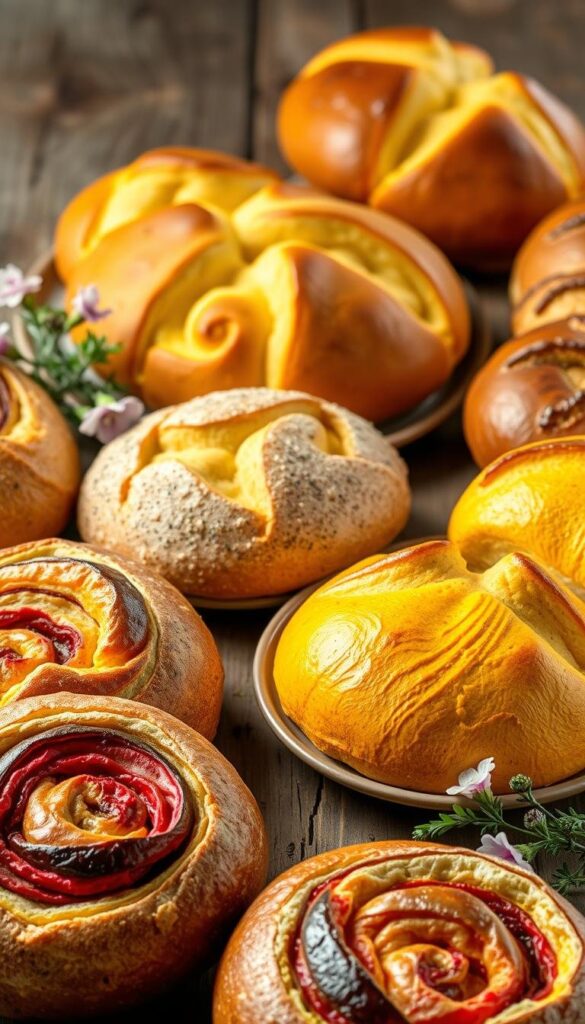
In the U.S., Easter bread shows the country's diverse culture. For example, Italian-American communities enjoy Pizza di Pasqua, flavored with Parmesan and anise. Greek communities have Tsoureki, a sweet bread with mahlepi and a red egg on top.
- Pizza di Pasqua (Italian-American)
- Tsoureki (Greek)
- Babka (Eastern European)
Unique Ingredients Commonly Used
Easter bread's uniqueness comes from its ingredients. Recipes often use high-quality flour, fresh yeast, and natural sweeteners like honey or maple syrup. Some add flavorful zests, nuts, or dried fruits for texture and taste.
Trying new ingredients can make artisan Easter bread special. For instance, orange zest or almond extract can give it a unique flavor.
Exploring Flavor Combinations
The art of baking Easter bread is all about trying new flavors. As you get ready for the holiday, think about trying something different. This can make your Easter bread even more special.
Sweet Flavors: Fruits and Nuts
Fruits and nuts can make your Easter bread sweeter and more interesting. Try mixing dried cranberries with orange zest for a fruity twist. Or, walnuts or almonds can give your bread a nice crunch.
Here are some other sweet combinations to try:
- Figs and honey for a sweet and savory mix
- Candied citrus peel for a burst of citrus flavor
- Raisins and cinnamon for a classic, warm taste
"The key to a great Easter bread is balancing flavors. Don't be afraid to experiment with different combinations to find your perfect blend."
Savory Twists: Cheese and Herbs
If you prefer a less sweet bread, try savory options. Cheese and herbs can make your bread rich and complex. Try mixing grated Parmesan with rosemary for a sophisticated taste. Or, goat cheese with chives for a tangy twist.
Savory Easter bread is great with Easter dinner or as a sandwich base.
Exotic Additions: Spices and Zests
For the bold baker, exotic spices and zests can make your bread unique. Cardamom and lemon zest can give it a Scandinavian feel. Or, cinnamon and star anise can bring the Mediterranean to your table.
Trying different spices and zests adds flavor and aroma. This makes your Easter bread the star of your holiday.
Essential Ingredients for a Unique Recipe
To make an artisan Easter bread, knowing each ingredient's role is key. The quality and type of ingredients greatly affect the bread's taste, texture, and look.
The base of any bread is flour. While all-purpose flour is common, trying other types can make your homemade Easter bread more interesting. Let's explore how different flours can improve your baking.
Flour Types: Beyond All-Purpose
Different flours can change your bread's character. For example, bread flour makes the bread chewier. Cake flour, on the other hand, results in a softer crumb, ideal for a gentle Easter bread.
- Whole Wheat Flour: Adds a nutty flavor and denser texture.
- Ancient Grain Flours: Such as Kamut or Spelt, offer a rich, buttery flavor.
- Pastry Flour: Provides a delicate texture, ideal for detailed designs.
Baking expert
"The type of flour you choose is the backbone of your bread's texture and flavor profile."
Trying different flours can help you create the perfect best Easter bread.
Yeast Selection: Fresh vs. Instant
Yeast is vital in bread making. Choosing between fresh and instant yeast can change the fermentation, affecting the bread's taste and rise.
Fresh Yeast ferments vigorously and is favored by artisan bakers. But, it has a short shelf life and needs careful handling.
Instant Yeast is easier to use and lasts longer. It's perfect for home bakers who want reliable results without hassle.
Natural Sweeteners: Honey, Maple, and More
Natural sweeteners add sweetness and depth to your Easter bread. Honey and maple syrup are favorites, each bringing its own flavor.
- Honey: Adds a floral sweetness and can make the crumb tender.
- Maple Syrup: Offers a rich, earthy sweetness that balances spices well.
- Agave Nectar: A mild, versatile sweetener for those who prefer a subtle sweetness.
Choosing your ingredients carefully can help you make a unique and tasty homemade Easter bread. It will be the highlight of your holiday.
Step-by-Step Guide to Baking Easter Bread
Making homemade Easter bread is a fun and rewarding task. It combines tradition with your own special touches. With your ingredients ready, let's start making your Easter bread. This guide will help you through each step, from making the dough to baking it.
Preparing the Dough
The dough is the base of a great Easter bread. First, mix together your dry ingredients like flour, yeast, and sugar in a big bowl. Choose a good flour for your recipe, like all-purpose or brioche. In another bowl, mix your wet ingredients, such as eggs, milk, and butter.
Warm the milk a bit to help the yeast work well. This makes your dough rise beautifully.
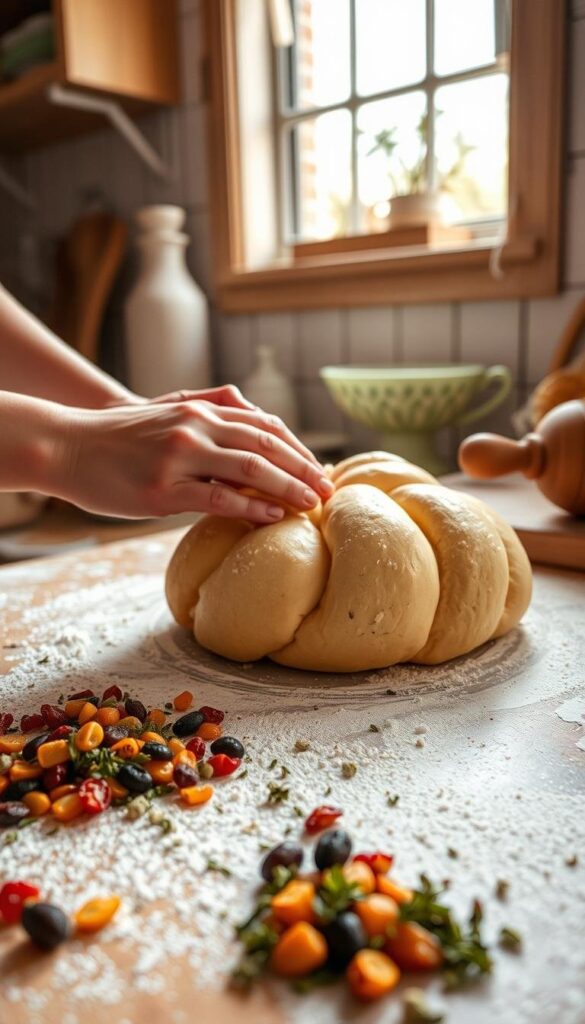
Then, add the wet ingredients to the dry ones and mix until a dough forms. Knead the dough on a floured surface for 10 minutes. It should become smooth and elastic. You can add nuts, dried fruits, or citrus zest for a personal touch.
Shaping and Proofing the Bread
When your dough is ready, shape it into your desired form. You can braid it, make a round loaf, or any shape you like. Place the dough on a baking sheet lined with parchment paper, leaving space for it to rise.
Cover the dough with a damp cloth and let it proof in a warm, draft-free place. The proofing time can vary based on the yeast and environment. It usually takes about an hour, or until it doubles in size. As one baker says, "The key to a light and airy Easter bread is patience during the proofing stage."
Baking Tips for Perfect Results
Preheat your oven to the temperature in your recipe, usually 350°F (175°C). Before baking, brush the top with an egg wash or melted butter for a golden glaze. Bake the bread for the recommended time, watching it to avoid overbrowning.
To bake evenly, rotate the baking sheet halfway through.
"A perfectly baked Easter bread is not just about following a recipe, it's about understanding the process and making adjustments as needed,"
says an experienced baker. After baking, let the bread cool on a wire rack before slicing.
By following these steps and tips, you'll make a beautiful and delicious homemade Easter bread. It will be the highlight of your Easter celebration. Whether you stick to a traditional recipe or try something new, the joy of baking is in the sharing and love in every loaf.
Creative Presentation Ideas for Easter Bread
Make your Easter celebration special with creative ways to present your Easter bread. The way you present your bread is key. It makes your treat not just tasty but also a beautiful centerpiece for your table.
One easy way to make your Easter bread stand out is with glazing and toppings. A sweet glaze from powdered sugar and milk adds a nice shine. Toppings like chopped nuts, sesame seeds, or colorful sprinkles add texture and color.
Glazing and Toppings
Try different glaze flavors like orange blossom water or lemon zest for a unique taste. Use turbinado or Demerara sugar for a crunchy topping.
- Powdered sugar glaze with sprinkles
- Honey and almond topping
- Cinnamon sugar with chopped nuts
Decorative Shapes and Braids
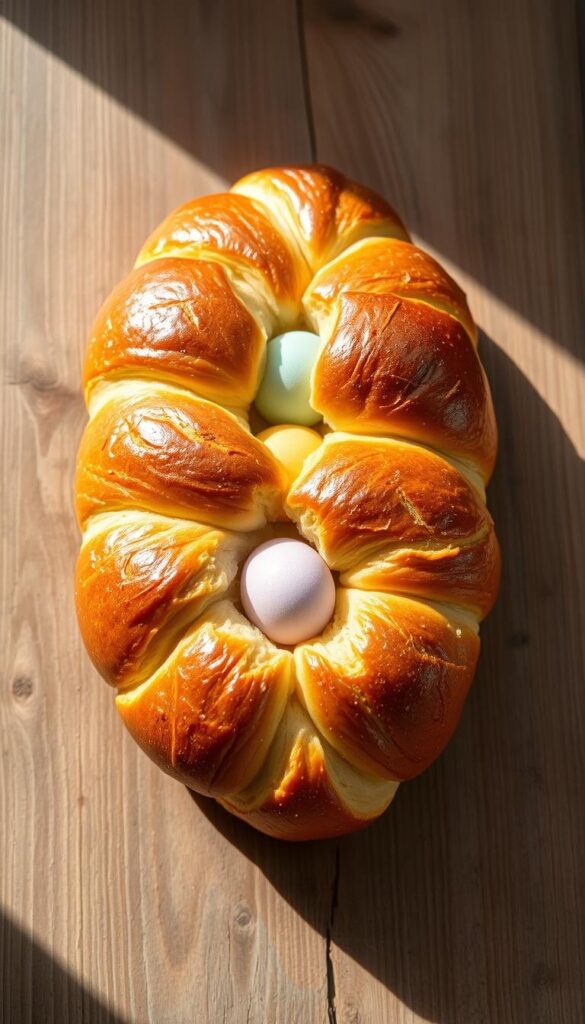
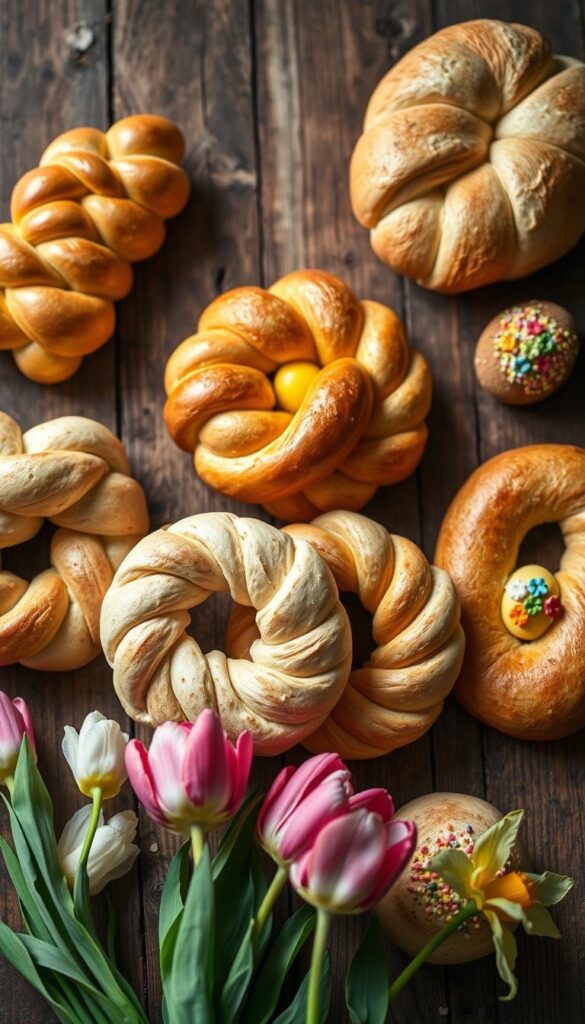
Make your Easter bread more appealing with decorative shapes and braids. Try a traditional Easter braid or a ring-shaped bread with dyed eggs.
Serving Suggestions for Easter Brunch
At Easter brunch, pair your bread with other dishes and drinks. Slice your bread and serve it with fresh fruit, cheese, and charcuterie for a complete spread.
For a unique touch, use your Easter bread for bread pudding or French toast. It impresses your guests and helps reduce waste.
Incorporating Cultural Influences in Recipes
Exploring different cultures can inspire unique Easter bread recipes. You can make Easter bread that tastes great and tells a story. Cultural influences add flavor and character to your bread, making it a fun culinary adventure.
"The art of baking is not just about following a recipe, it's about understanding the culture and tradition behind it," says a renowned baker. This quote highlights the role of culture in baking. Easter bread, in particular, is deeply rooted in tradition and culture.
Mediterranean Inspirations
The Mediterranean region is famous for its rich culinary heritage. Its influence can be seen in Easter bread with ingredients like olives, sun-dried tomatoes, and feta cheese. These add a salty, savory flavor that pairs well with the bread's sweetness.
- Olives and olive oil for a distinct flavor
- Sun-dried tomatoes for a burst of tanginess
- Feta cheese for a salty, creamy element

Eastern European Traditions
Eastern European countries have their own Easter bread traditions. For example, in Ukraine, the bread is decorated with designs and braids, symbolizing fertility and renewal. Ingredients like poppy seeds, walnuts, and honey are used, adding texture and sweetness.
Some traditional Eastern European ingredients include:
- Poppy seeds for added texture and flavor
- Walnuts for crunch and nutty flavor
- Honey for a touch of sweetness
Modern American Twists
Modern American baking has updated traditional Easter bread recipes. It uses unique ingredients like cranberries, orange zest, or chocolate chips. This creates a blend of traditional and modern flavors that please many.
Some modern American twists include:
- Cranberries and orange zest for a fruity flavor
- Chocolate chips for a sweet surprise
- Pistachios for a crunchy texture
In conclusion, adding cultural influences to your Easter bread recipe can make it unique and delicious. Whether you use Mediterranean, Eastern European, or modern American traditions, the key is to experiment and have fun.
Pairing Easter Bread with Traditional Foods
Pairing Easter bread with the right dishes and drinks can make your Easter feast unforgettable. Easter bread is a perfect centerpiece for your celebration. Whether you bake a traditional recipe or try new Easter bread flavors, the right sides can make it even better.
Complementary Dishes for the Feast
When planning your Easter feast, think about dishes that go well with homemade Easter bread. Glazed ham, roasted veggies, and spring salads are great choices. For something new, try dishes with fresh herbs or bright colors to match Easter's renewal theme.
- Glazed ham with a honey or maple syrup crust
- Roasted asparagus or Brussels sprouts with olive oil and seasoning
- A fresh spring salad with mixed greens, edible flowers, and a light vinaigrette
These dishes not only match your best Easter bread but also add variety to your table.
Beverage Suggestions for Easter Celebrations
The right drinks can bring out the flavors of your Easter bread and dishes. For a traditional Easter, serve drinks that are refreshing and fit the spring season.
- Spring-inspired cocktails made with fresh juices and herbs
- Iced tea or lemonade infused with fruits or mint
- Wine or champagne for a more adult-oriented celebration
These drinks will complement your Easter bread and make your gathering more festive.
In conclusion, pairing your homemade Easter bread with the right dishes and drinks can make your Easter celebration even better. By mixing traditional and modern options, you can create a memorable and tasty feast for your guests.
Best Practices for Storing and Freezing Bread
Keeping your unique Easter bread fresh is simple. Whether you made a classic loaf or tried Easter bread variations, storing it right is key. This way, you can enjoy it for longer.
Short-Term Storage Tips
For short-term storage, keep your delicious Easter bread in a fresh environment. Here are some tips:
- Cool the bread completely before storing to prevent moisture buildup.
- Store in a bread box or a paper bag to maintain airflow.
- Keep the bread away from direct sunlight and heat sources.
Long-Term Storage Solutions
Freezing is a great choice for longer storage. To freeze your Easter bread:
- Wrap the cooled bread tightly in plastic wrap or aluminum foil.
- Place the wrapped bread in a freezer-safe bag or container.
- Label and date the bag for easy identification.
As
"Freezing is a great way to preserve the flavor and texture of your Easter bread, allowing you to enjoy it long after the holiday."
Reheating and Refreshing Leftovers
When you're ready to enjoy your stored or frozen Easter bread, follow these reheating tips:
- Thaw frozen bread at room temperature or refrigerate overnight.
- Reheat in the oven at 350°F (175°C) for 5-10 minutes, or until warmed through.
- For a crispy crust, bake for an additional 2-3 minutes.
By following these tips, you can enjoy your unique Easter bread and Easter bread variations for days. You'll get to relish the holiday flavors longer.
Sharing Your Unique Easter Bread with the Community
Now that you've baked your unique Easter bread, it's time to share it. Sharing your creations can connect you with your community. It also spreads the joy of Easter bread.
Bread Swap Events
Organizing a bread swap is a great idea. Invite friends, family, and neighbors to bring their favorite homemade Easter bread. Then, everyone can exchange them for a variety of artisan Easter bread.
Showcasing on Social Media
Share your homemade Easter bread on Instagram and Facebook. Use hashtags to show off your baking skills. You can also join online baking communities to share your ideas.
Hosting a Baking Workshop
Think about hosting a baking workshop or class. Teach others how to make their own artisan Easter bread. It's a fun way to share your passion for baking and help others improve their skills.