Meditation can be a powerful tool for cultivating inner peace, reducing stress, and enhancing overall well-being. If you're new to the world of meditation, the prospect of starting a practice can feel daunting. That's where guided meditation comes in – a gentle, step-by-step approach that can help you get started on your mindfulness journey. In this article, we'll explore the basics of guided meditation and provide you with the tools and techniques to begin your practice.
Key Takeaways
- Guided meditation is an excellent way for beginners to start a mindfulness practice
- Understand the benefits of meditation and how it can improve your overall well-being
- Learn the essential steps to prepare for your first guided meditation session
- Explore the different types of guided meditations available and choose the right one for you
- Discover tips to overcome common challenges and sustain a regular meditation routine
What is Meditation?
Meditation is a ancient practice that has gained widespread popularity in recent years as a powerful technique for mindfulness for beginners and personal growth. At its core, meditation involves the art of focusing the mind, cultivating a state of deep relaxation, and increasing self-awareness.
The origins of meditation can be traced back thousands of years, with roots in Eastern spiritual and religious traditions such as Hinduism, Buddhism, and Taoism. Over time, these meditation techniques have evolved and been adapted for use in various cultural and secular contexts, making them accessible to people of all backgrounds.
Fundamentally, meditation is a way to train the mind, helping individuals to better understand their thoughts, emotions, and physical sensations. By practicing meditation regularly, people can develop a greater sense of inner peace, focus, and emotional resilience.
"Meditation is not about becoming a different person, a new person, or even a better person. It is about training in awareness and learning to be fully present and participating in our lives." - Jon Kabat-Zinn
There are many different types of meditation, each with its own unique approach and benefits. Some common meditation techniques include:
- Mindfulness meditation: Focusing on the present moment and observing thoughts and sensations without judgment.
- Mantra meditation: Repeating a calming word or phrase to quiet the mind.
- Loving-kindness (Metta) meditation: Cultivating feelings of compassion and kindness towards oneself and others.
- Breathing meditation: Concentrating on the breath to anchor the mind and promote relaxation.
Regardless of the specific technique, the foundational goal of meditation is to develop a greater understanding of the self and to cultivate a sense of inner peace, focus, and well-being.
Benefits of Meditation for Beginners
Meditation, a practice that has been embraced by individuals seeking inner peace and well-being, offers a wealth of benefits for beginners. From improving mental health to enhancing physical well-being, the transformative power of meditation is well-documented by extensive research.
Reduced Stress and Anxiety - Studies have shown that regular meditation can significantly reduce stress and anxiety levels, helping beginners to better manage the demands of daily life. This ancient practice cultivates a sense of calm and inner tranquility, allowing individuals to navigate challenging situations with greater ease.
Enhanced Focus and Concentration - Meditation has been linked to improved cognitive function, including enhanced focus and concentration. Beginners who incorporate this practice into their routines often report increased productivity, better decision-making, and a heightened ability to stay present in the moment.
- Improved Emotional Regulation
- Increased Empathy and Compassion
- Better Sleep Quality
As beginners explore the world of meditation, they can expect to experience a myriad of benefits that positively impact their overall well-being. Whether seeking relief from stress, improved focus, or a deeper connection with oneself, the regular practice of meditation can be a transformative journey for those new to this ancient art.
"Meditation is not a way of making your mind quiet. It is a way of entering into the quiet that is already there - buried under the 'noise' of compulsive thinking."- Deepak Chopra
Getting Ready for Your First Meditative Session
Preparing for your initial meditation tips session is crucial to ensure a positive and meaningful experience. Whether you're exploring guided meditation or embarking on a self-guided practice, follow these essential steps to set the stage for your journey into mindfulness.
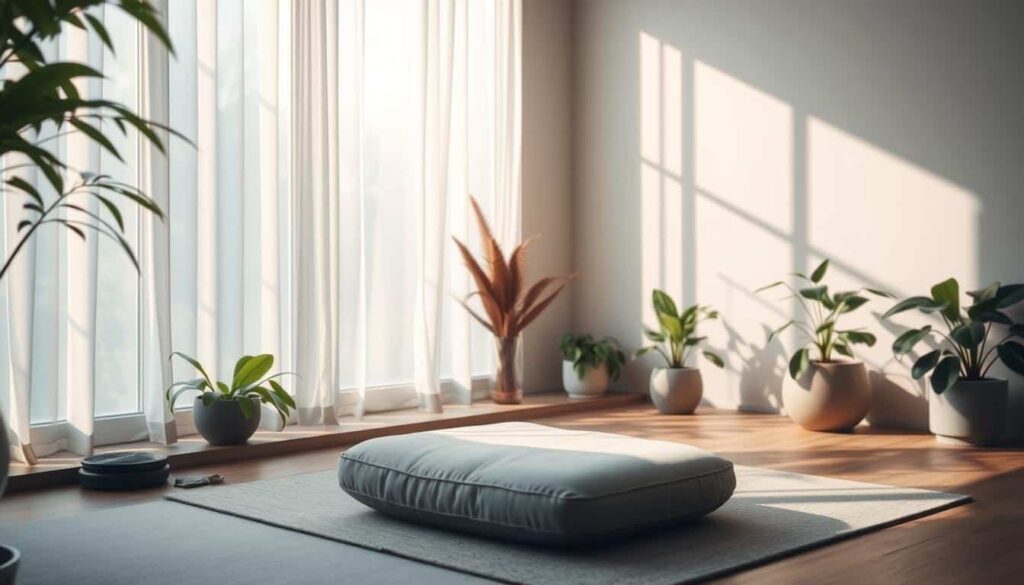
First and foremost, find a quiet and comfortable space where you can sit or lie down without distractions. This could be a dedicated meditation corner in your home, a serene outdoor spot, or even a quiet room. Ensure the environment is peaceful and free from excessive noise or visual stimuli.
- Set aside a specific time for your practice, ideally when you can devote your full attention without interruptions. Many find early morning or evening to be the most suitable.
- Wear loose, comfortable clothing that won't restrict your movement or breathing. This will help you feel at ease during the session.
- Gather any necessary props, such as a meditation cushion, blanket, or eye mask, to enhance your comfort and focus.
- Consider lighting a candle or incense, which can create a soothing ambiance and signal the start of your practice.
As you begin your first guided meditation or personal exploration, remember to approach it with an open mind and a spirit of curiosity. The journey of meditation is a personal one, and there is no right or wrong way to experience it. With patience and persistence, you'll soon discover the profound benefits that a regular meditation tips practice can bring.
"Meditation is not about getting anywhere else, but about being present, being aware, and being loving." - Sharon Salzberg
Different Types of Guided Meditations
The world of guided meditation offers a diverse array of techniques to explore. Each style caters to different needs and preferences, making it easy for beginners to find a practice that resonates with them. From mindfulness meditation to body scans, the options are plentiful and can enhance your journey of self-discovery.
One popular guided meditation technique is visualization. This practice encourages you to imagine soothing imagery, such as a peaceful beach or a serene forest, to promote relaxation and focus. Another technique, mantra meditation, involves the repetition of a calming word or phrase, which can help quiet the mind and foster a sense of inner peace.
For those seeking a more grounded experience, body scan meditation invites you to systematically observe sensations throughout your body, cultivating a deeper awareness and connection with the present moment. Meanwhile, loving-kindness meditation (also known as metta) focuses on cultivating feelings of compassion and kindness towards yourself and others.
Regardless of the specific guided meditation technique you choose, the common thread is the guidance and support provided by an experienced instructor or audio recording. This can be especially helpful for beginners who are just starting their meditation journey, as it can make the practice more accessible and less intimidating.
How to Choose the Right Guided Meditation
Navigating the vast landscape of meditation apps and resources can be a daunting task for beginners. However, with a little guidance, you can find the perfect guided meditation experience to kickstart your practice. Let's explore some key factors to consider when choosing the right guided meditation for you.
First and foremost, think about your personal preferences and needs. Do you prefer meditation apps with a wide variety of guided meditations, or do you prefer a more focused approach with a single teacher or style? Consider the length of the meditations, as well as the voice and style of the guide. Some people find that a soothing, calming voice helps them relax, while others may prefer a more energetic or instructional approach.
Another important factor to consider is the specific purpose of your meditation practice. Are you looking to reduce stress and anxiety, improve focus and concentration, or explore deeper spiritual aspects of meditation? Different guided meditations cater to different needs, so take the time to explore and find one that aligns with your goals.
When it comes to guided meditation resources, you have a wealth of options to choose from. Meditation apps like Calm, Headspace, and Insight Timer offer a diverse selection of guided meditations, while other platforms like YouTube and Spotify provide a range of free and paid options. Take the time to read reviews, listen to sample sessions, and find the one that resonates with you the most.
Remember, the right guided meditation for you is the one that you'll actually stick to and enjoy. Don't be afraid to try out different options until you find the perfect fit. Your meditation practice is a journey, and the right guided meditation can be a valuable companion along the way.
Simple Techniques for Beginners
Embarking on a meditation journey can be daunting, but with the right meditation techniques and mindfulness for beginners, the process can be smooth and rewarding. In this section, we'll explore simple yet effective practices that can help you start your meditation practice with confidence.
One of the easiest meditation techniques for beginners is breath awareness. This involves simply focusing on the natural rhythm of your breathing, without trying to control it. Start by sitting comfortably, closing your eyes, and directing your attention to the sensations of the breath moving in and out. If your mind wanders, gently guide it back to the breath.
Another accessible mindfulness for beginners exercise is body scan meditation. Lie down or sit comfortably, and slowly bring your attention to different parts of your body, noticing any sensations or tensions. This can help you become more aware of your physical state and promote relaxation.

For those with limited time, guided meditations can be a great option. These audio recordings or videos lead you through a meditation session, often with a soothing voice providing instructions and cues. This can be particularly helpful for beginners, as it takes the guesswork out of the process.
"The simple act of focusing on your breath can have a profound impact on your overall well-being."
Remember, the key to a successful meditation techniques and mindfulness for beginners practice is consistency. Start with just a few minutes each day, and gradually increase the duration as you become more comfortable with the process. With patience and dedication, you'll be well on your way to experiencing the transformative benefits of meditation.
Common Misconceptions About Meditation
As beginners explore the world of meditation, it's essential to address the common misconceptions that often hinder their practice. One of the most prevalent myths is that meditation requires complete absence of thoughts. In reality, meditation is about observing and acknowledging the thoughts, not attempting to eliminate them altogether.
Another common misconception is that meditation is solely about relaxation. While meditation can certainly lead to a state of calm and tranquility, its benefits extend far beyond just relaxation. It can also enhance focus, improve emotional resilience, and foster self-awareness.
- Myth: Meditation requires an empty mind.
- Myth: Meditation is only about relaxation.
- Myth: Meditation is a one-time practice, not a lifelong journey.
One of the most persistent myths is the belief that meditation is a one-time practice, rather than a lifelong journey. In reality, beginners meditation is a skill that requires consistent practice and patience to master. The key is to approach it with an open mind and a willingness to embrace the process, rather than expecting immediate results.
"Meditation is not about getting anywhere else, but about being where you are and knowing it for the first time." - Jon Kabat-Zinn
By addressing and debunking these common misconceptions, beginners can approach meditation tips with a more realistic and empowered mindset, setting themselves up for a rewarding and fulfilling practice.
Overcoming Challenges in Meditation
Embarking on a meditation journey can be a transformative experience, but it's not without its challenges. As beginner meditators, we often face obstacles that can hinder our progress and discourage us from maintaining a consistent practice. However, with the right mindset and strategies, these challenges can be overcome, paving the way for a more rewarding and fulfilling meditation experience.
One of the most common challenges faced by meditation beginners is the inability to focus. The mind tends to wander, jumping from one thought to another, making it difficult to stay present and centered. To address this, try incorporating guided meditations that provide a structure and focus point for your practice. Additionally, setting a specific time and duration for your meditation sessions can help train your mind to stay focused.
Another obstacle is the feeling of restlessness or discomfort during the practice. This can be due to physical factors, such as pain or tension in the body, or mental factors, like anxiousness or restlessness. To overcome this, experiment with different meditation postures and try incorporating gentle stretches or movements into your practice. Paying attention to your breath and acknowledging any discomfort without judgment can also help you navigate through these challenges.
"The greatest weapon against stress is our ability to choose one thought over another." - William James
Inconsistency in maintaining a regular meditation practice is another common hurdle. Life's demands and distractions can make it challenging to set aside time for meditation. To overcome this, start with small, manageable sessions and gradually increase the duration as you become more comfortable. Additionally, finding an accountability partner or incorporating meditation into your daily routine can help foster a consistent practice.
Remember, overcoming the challenges in meditation is a journey, and each person's experience may differ. By approaching these obstacles with patience, self-compassion, and a willingness to experiment, you can cultivate a sustainable and rewarding mindfulness practice that enhances your overall well-being.
Integrating Meditation Into Daily Life
Incorporating meditation techniques into your daily routine can be a powerful way to cultivate mindfulness and inner peace. Whether it's a brief morning practice or quick mindfulness exercises throughout the day, integrating meditation into your lifestyle can have a profound impact on your overall well-being.
One effective approach is to start your day with a guided meditation session. This can help you set a calm and focused tone for the day ahead. Choose from a variety of meditation techniques, such as body scans, breath awareness, or mantra recitation, and commit to a consistent morning routine.
Throughout the day, you can also pause for mindfulness for beginners exercises. These can be as simple as taking a few deep breaths, engaging in conscious observation of your surroundings, or practicing meditation techniques like mindful walking during your daily commute. These brief respites can help you stay grounded and present, reducing stress and enhancing your overall sense of well-being.
"The beauty of meditation is that it can be practiced anytime, anywhere. By integrating it into your daily life, you can cultivate a deeper sense of inner calm and clarity." - Jane Doe, Meditation Instructor
Consistency is key when it comes to integrating meditation into your daily life. Experiment with different practices and find what resonates with you, whether it's a 10-minute session or a series of shorter mindfulness exercises. Celebrate your progress and be patient with yourself as you build a sustainable meditation routine.
By weaving meditation into your everyday activities, you can transform your life, one moment at a time. Embrace the journey, and let the benefits of a consistent practice unfold, enhancing your overall well-being and sense of mindfulness for beginners.
Tips for Sustaining a Meditation Practice
Embarking on a meditation journey can be incredibly rewarding, but sustaining a consistent practice can be a challenge, even for beginners. To help you stay motivated and on track, here are some valuable meditation tips to consider.
- Set Achievable Goals: Start by setting realistic goals for your meditation practice. Whether it's meditating for 10 minutes a day or incorporating it into your weekly routine, having a clear, attainable objective can help you stay focused and accountable.
- Find a Meditation Partner: Sharing your meditation journey with a friend or joining a local beginners meditation group can provide the support and accountability you need to maintain your practice. Engaging with a community can also help you learn new techniques and gain different perspectives.
- Experiment with Different Techniques: Don't be afraid to try various meditation styles, such as mindfulness, mantra, or body-based practices. Exploring different approaches can help you find the one that resonates best with you and keeps your practice fresh and engaging.
- Celebrate Small Victories: Acknowledge and celebrate your progress, no matter how small. Recognizing your achievements can help you stay motivated and inspired to continue your meditation tips journey.
Remember, the key to sustaining a meditation practice is finding what works best for you and making it a consistent part of your lifestyle. With patience and perseverance, you can develop a lifelong habit that brings you greater peace, focus, and overall well-being.
"The secret of getting ahead is getting started." - Mark Twain
Resources for Continued Learning
If you're eager to deepen your meditation practice, there are numerous resources available to guide you on your journey. From recommended reading materials to online courses and meditation retreats, the opportunities for continued learning and growth are vast.
Explore reputable books written by renowned meditation teachers, such as "The Miracle of Mindfulness" by Thich Nhat Hanh or "10% Happier" by Dan Harris. These works offer invaluable insights and practical techniques to enhance your meditation practice.
For those seeking a more immersive experience, consider attending a meditation retreat or workshop in your local area. These specialized programs often provide a supportive environment, expert instruction, and the chance to connect with a community of like-minded individuals. Whether you choose a day-long retreat or a more extended experience, these opportunities can deepen your understanding and help you cultivate a more consistent meditation routine.
FAQ
What is meditation and how does it work?
Meditation is a mental practice that involves focusing your attention to achieve a mentally clear, emotionally calm, and stable state. It can involve techniques such as deep breathing, visualization, or mantra repetition to train your attention and awareness.
What are the benefits of meditation for beginners?
Meditation can offer numerous benefits for beginners, including reduced stress and anxiety, improved focus and concentration, increased self-awareness, and better emotional regulation. It can also enhance overall well-being and promote a sense of calm and relaxation.
How do I get started with meditation?
To get started with meditation, find a quiet and comfortable place to sit, set aside 5-10 minutes each day, and focus on your breath. You can start with simple breathing exercises or try a guided meditation app or video. The key is to be patient and consistent with your practice.
What are some common misconceptions about meditation?
Some common misconceptions about meditation include the belief that it requires years of practice to see benefits, that it's only for spiritual or religious people, and that you need to completely clear your mind. In reality, meditation can be beneficial for anyone, and even short daily sessions can make a difference.
How can I overcome challenges in my meditation practice?
It's normal to face challenges like restlessness, mind-wandering, or difficulty maintaining a consistent practice. To overcome these, try experimenting with different techniques, setting realistic goals, and being patient and kind with yourself. Seeking guidance from a teacher or joining a meditation community can also help.
How can I integrate meditation into my daily life?
There are many ways to incorporate meditation into your daily routine, such as starting your day with a brief practice, taking mindfulness breaks throughout the day, or using your commute as an opportunity for reflection. The key is to find what works best for your lifestyle and schedule.
What resources are available for continued learning and growth in meditation?
There are numerous resources available for those who want to deepen their meditation practice, including books, online courses, meditation classes, and meditation retreats. Connecting with a local meditation community or finding a teacher can also be valuable for ongoing support and guidance.