Valentine’s Day decor doesn’t have to be expensive, complicated, or overly themed. In fact, some of the most charming Valentine’s wreaths are made with the simplest materials and a relaxed, imperfect touch.
If you’ve ever admired DIY wreaths online but thought, “I’m not crafty enough for that,” this guide is for you. These ideas focus on approachable techniques, forgiving materials, and easy assembly—no glue-gun mastery or artistic talent required.
Whether you want something soft and romantic, minimal and modern, or playful and cozy, a beginner-friendly Valentine’s wreath lets you decorate your home in a personal, meaningful way.
Why Valentine’s Wreaths Are Perfect for Beginners
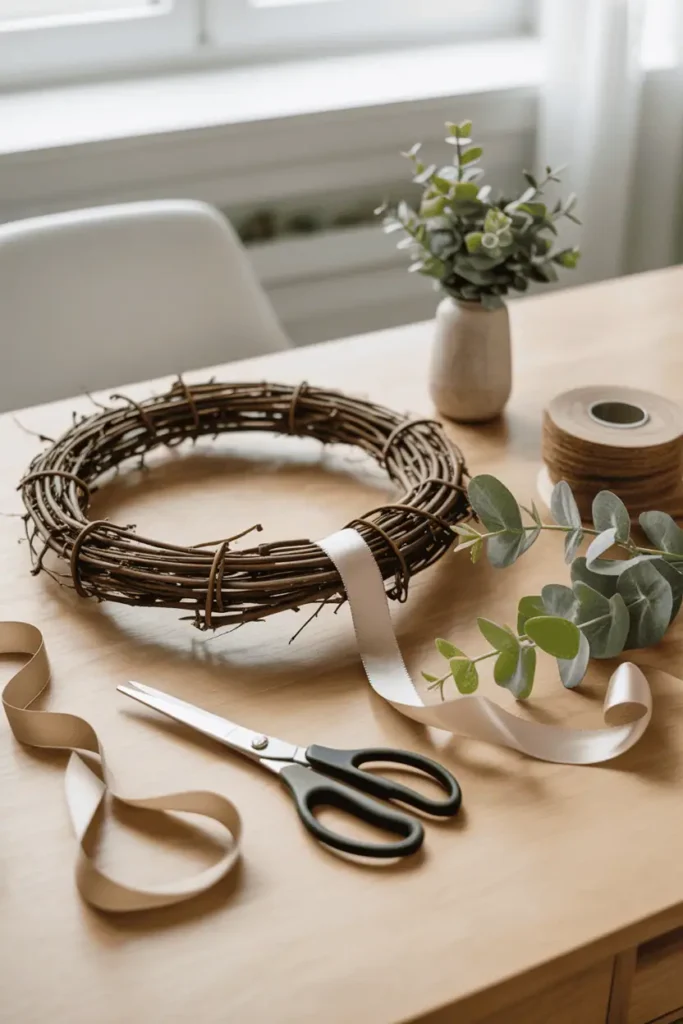
Wreath-making is one of the most forgiving DIY projects you can start with. Unlike furniture or wall art, wreaths don’t need to be perfect. Slight asymmetry, loose placement, and natural textures actually make them look better.
Valentine’s wreaths are especially beginner-friendly because:
- the color palette is simple
- materials are lightweight
- designs are flexible
- mistakes are easy to hide or fix
You can finish most wreaths in under an hour, and many use supplies you already have at home.
Start With the Right Wreath Base
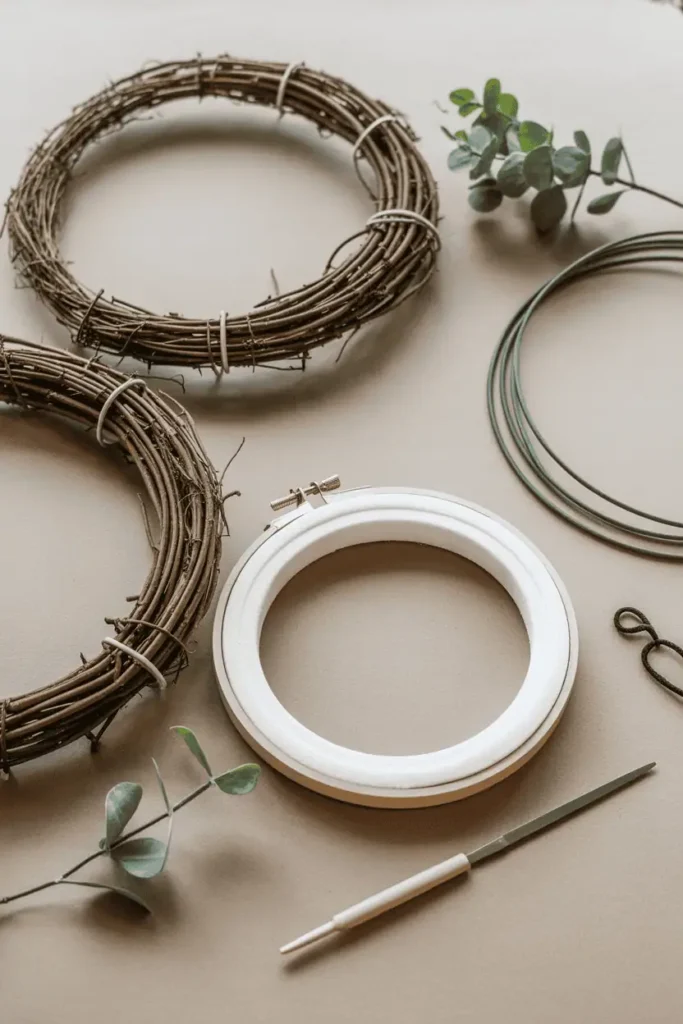
Choosing the right base makes everything easier. For beginners, lightweight bases are best because they’re easy to attach decorations to and don’t require power tools.
Beginner-friendly options include:
- grapevine wreaths
- foam wreath forms
- wire wreath frames
- embroidery hoops
Grapevine and wire frames are especially forgiving because you can tuck materials in without glue. Foam forms are great if you prefer pinning or light hot-glue work.
There’s no “best” base—just choose what feels easiest to handle.
Choose a Simple Valentine Color Palette
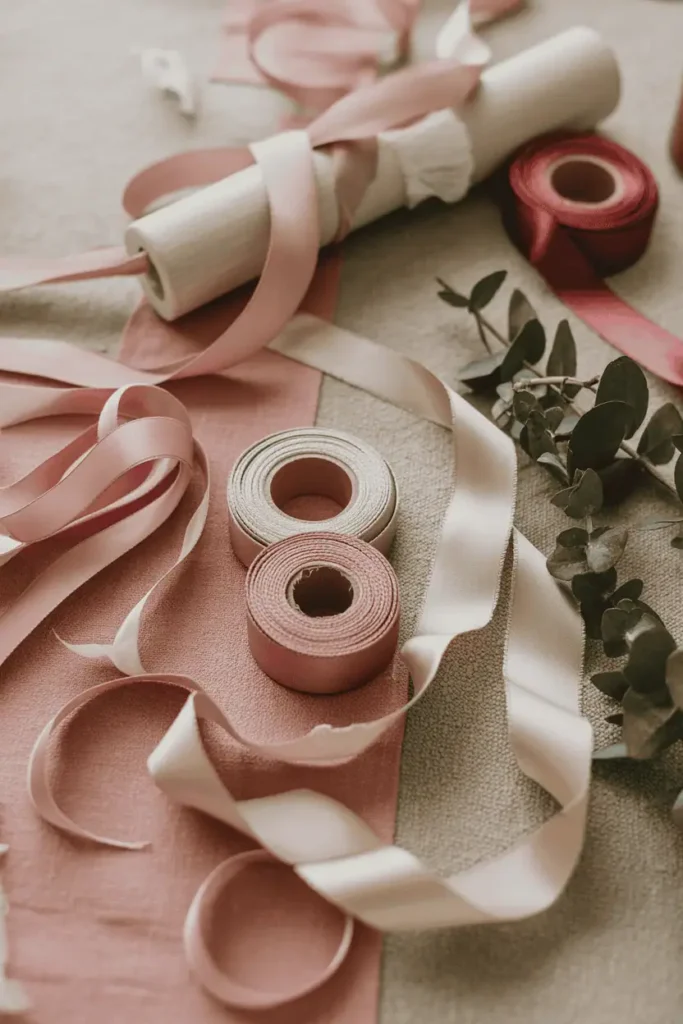
Before adding decorations, decide on your colors. Keeping the palette limited prevents overwhelm and makes the wreath look cohesive.
Some beginner-friendly Valentine palettes:
- soft blush + cream
- red + natural wood
- pink + white + greenery
- neutral tones with small heart accents
You don’t need to use every Valentine color at once. Two main colors plus one neutral is usually enough.
DIY Valentine’s Wreath With Faux Greenery
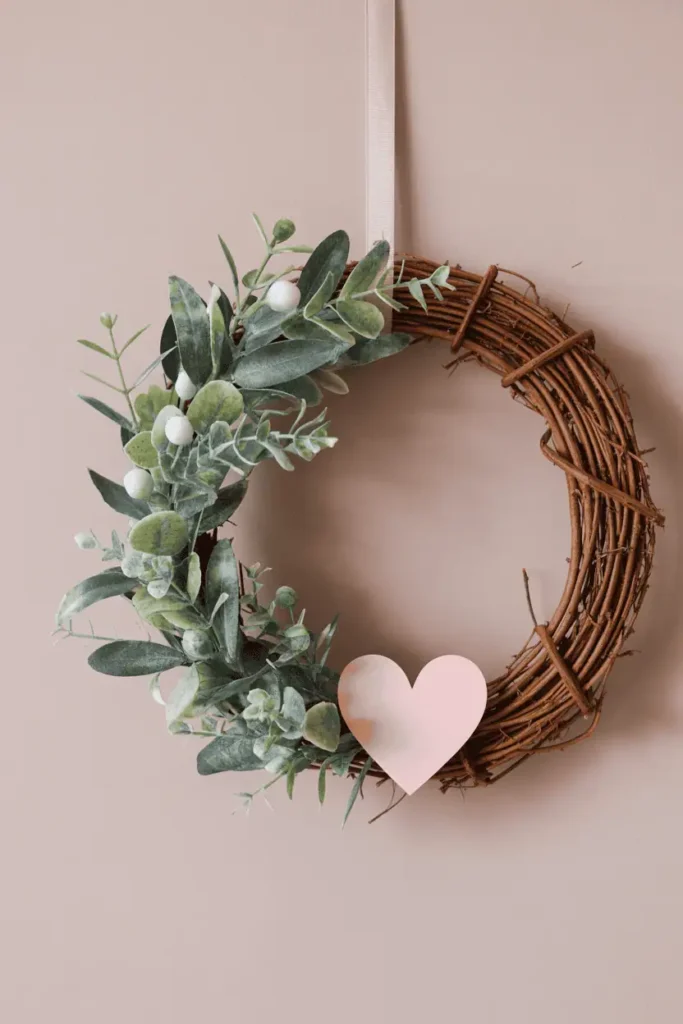
Greenery wreaths are one of the easiest starting points. Faux eucalyptus, boxwood, or ivy already have structure, so you’re mostly arranging rather than building.
Start by attaching greenery loosely around part of the wreath rather than filling the entire circle. Leaving sections bare keeps the wreath modern and relaxed.
Once the greenery is in place, add one simple Valentine detail:
- a small heart accent
- a ribbon bow
- a wooden word cutout
- subtle pink florals
This style looks polished even with minimal effort.
Ribbon Valentine’s Wreaths for Instant Impact
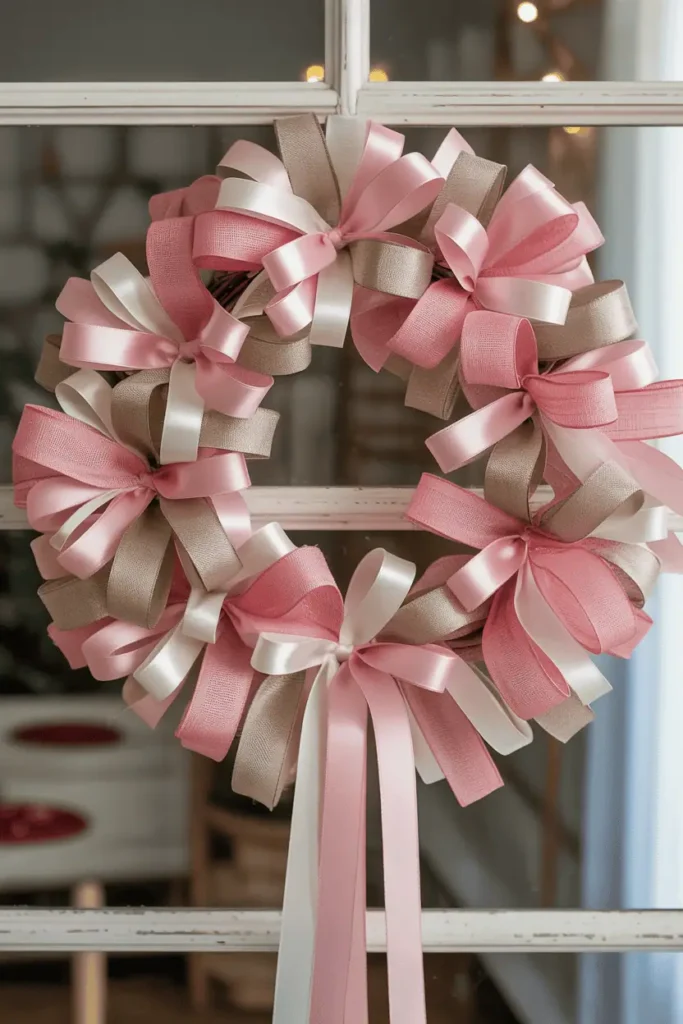
Ribbon wreaths are ideal for beginners because they don’t require precision. You simply tie, wrap, or layer ribbon around the wreath base.
Choose ribbons in:
- soft satin
- linen-look fabric
- burlap
- sheer or gauze textures
Mixing two ribbon styles adds depth without complexity. You can finish the wreath with a simple bow or let the texture be the main focus.
Ribbon wreaths are lightweight, affordable, and easy to adjust if something doesn’t look right.
Minimal Heart Wreaths for a Clean Look
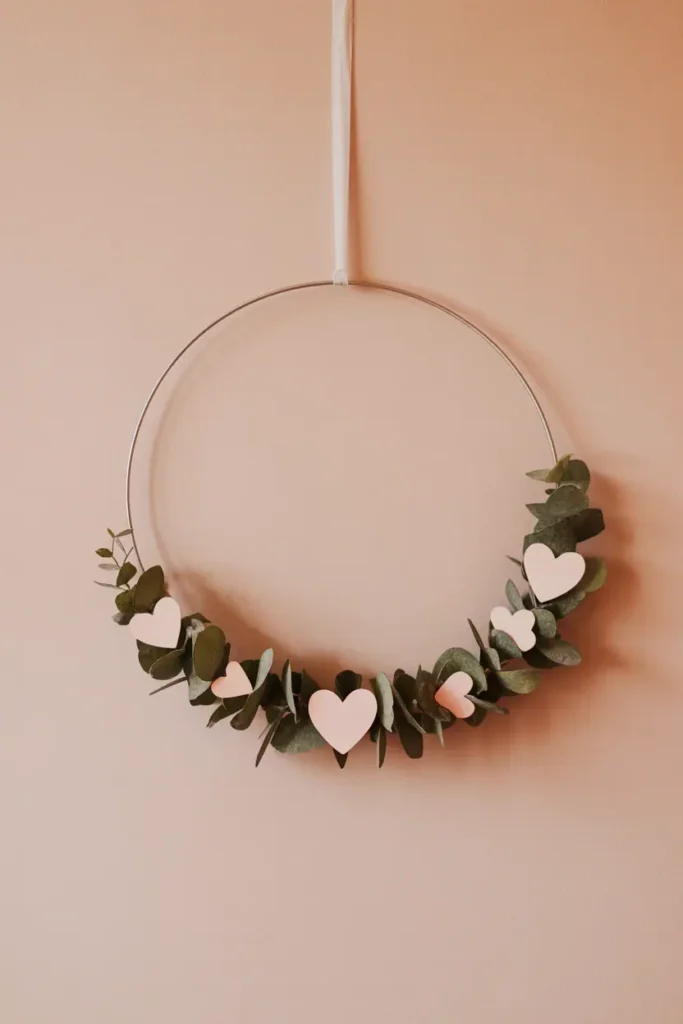
If you prefer understated decor, minimalist Valentine’s wreaths are a great option.
Use:
- a wire frame
- a metal hoop
- a wooden ring
Attach a small cluster of hearts to one side rather than centering everything. Hearts can be made from:
- felt
- paper
- wood
- fabric scraps
This off-center approach feels modern and avoids the “overdecorated” look.
Paper and Cardstock Wreaths (No Craft Skills Required)
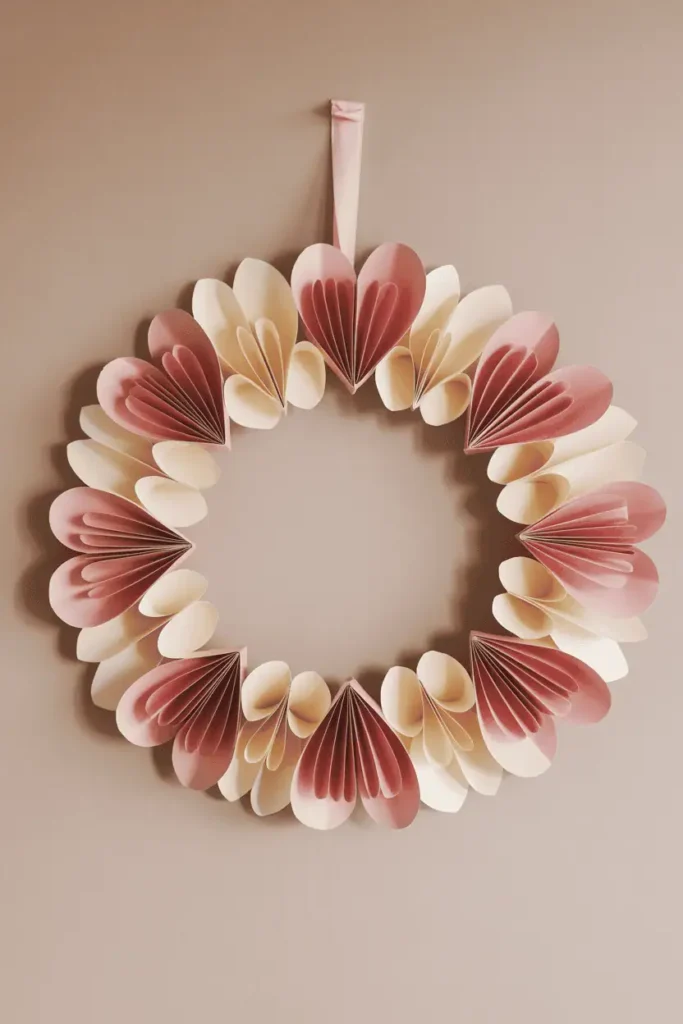
Paper wreaths are surprisingly effective and very beginner-friendly. You don’t need special tools—just scissors, glue, and patience.
Cut simple shapes like:
- hearts
- circles
- flowers
Layer them slightly to create dimension. Soft pinks, creams, and muted reds work best for a handmade look.
Paper wreaths are perfect for indoor use and can be customized endlessly.
Fabric Scrap Valentine’s Wreaths
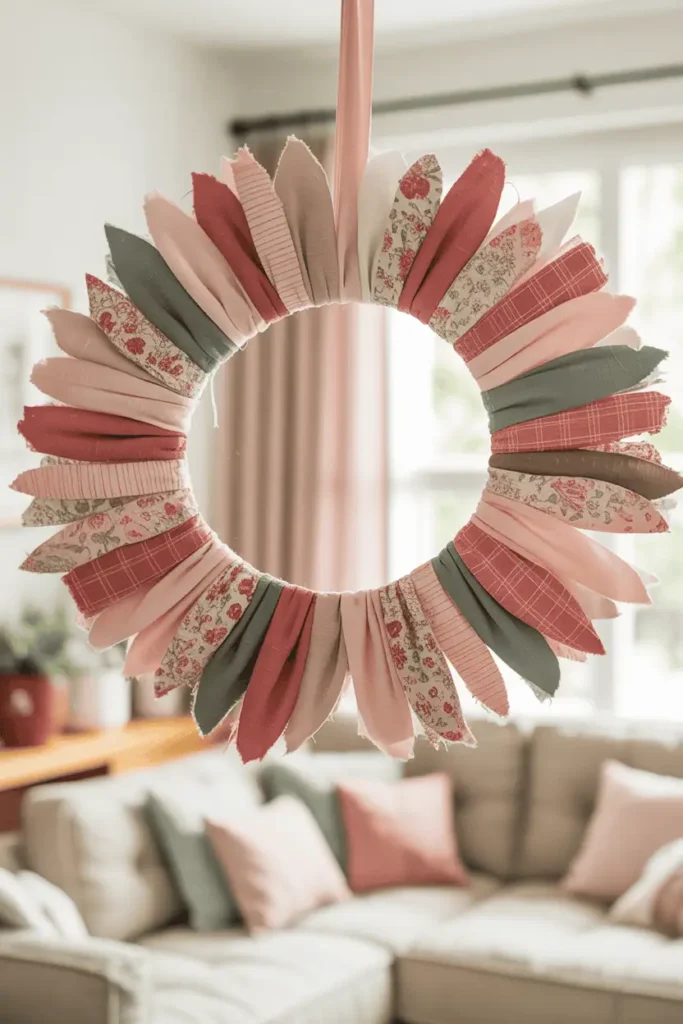
Fabric wreaths are forgiving and cozy, especially if you have leftover fabric or old clothing.
Tear fabric into strips and tie them around the wreath base. Imperfect edges add charm, so no measuring is needed.
Stick to similar tones to keep the wreath from looking busy. Adding just one accent—like a heart charm or tag—keeps it intentional.
How to Keep DIY Wreaths From Looking “Crafty”
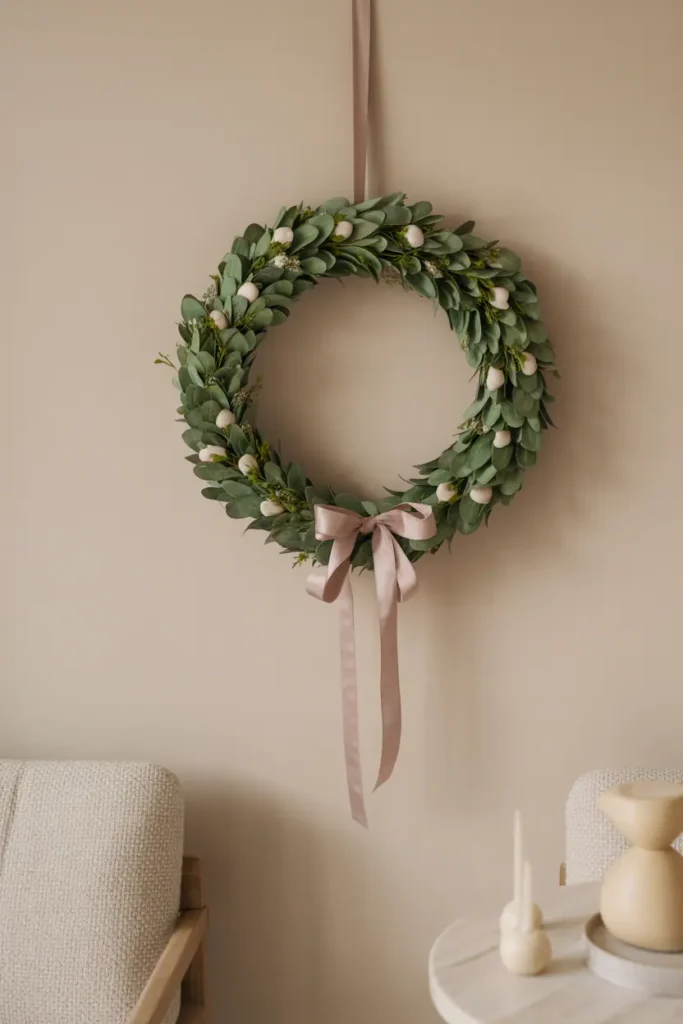
One common beginner concern is making something that looks homemade in a bad way. The secret is restraint.
To keep wreaths looking polished:
- stop before you think you’re finished
- leave negative space
- limit decorations
- repeat colors instead of mixing many
Simple wreaths almost always look better than crowded ones.
Hanging and Styling Your Valentine’s Wreath
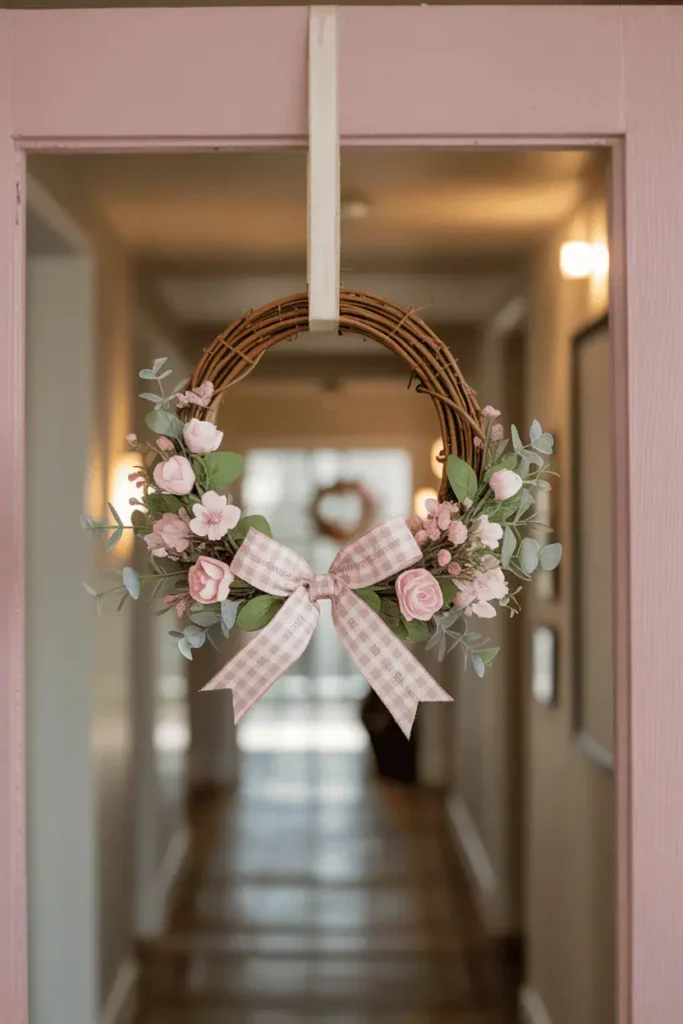
Once finished, consider where the wreath will live. Valentine’s wreaths work beautifully on:
- front doors
- bedroom doors
- gallery walls
- above a mantel
- inside entryways
Use ribbon, hooks, or removable adhesive to hang it without damage. Sometimes the way a wreath is styled matters just as much as how it’s made.
DIY Valentine’s Wreaths Are About Enjoyment
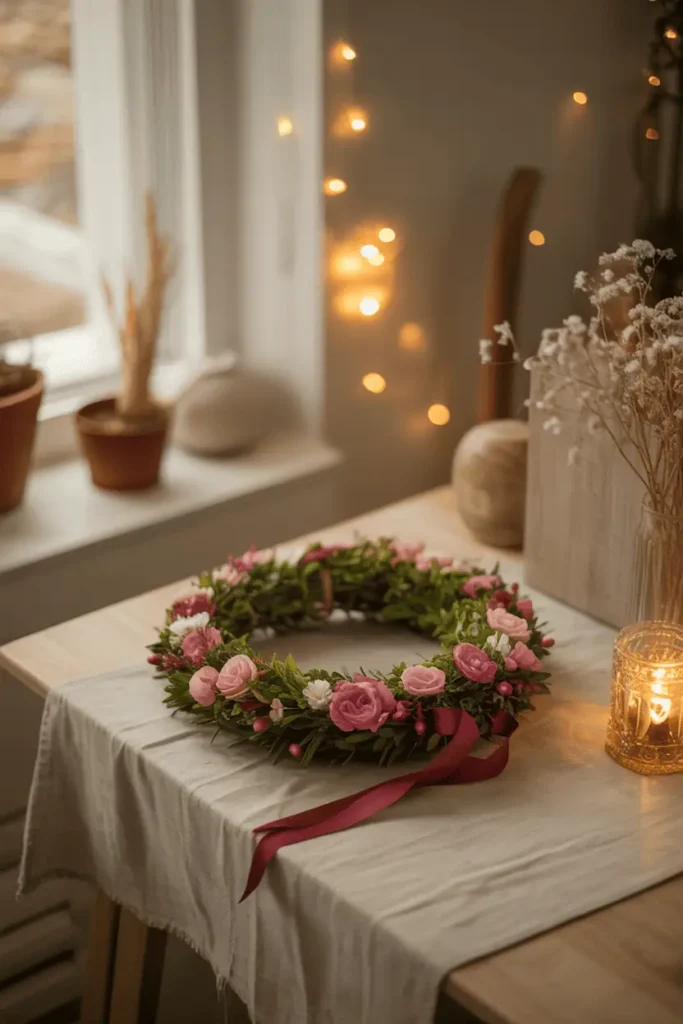
The real purpose of a DIY Valentine’s wreath isn’t perfection—it’s enjoyment. Taking time to create something with your hands, even something simple, adds warmth to your home and meaning to the season.
Beginner-friendly wreaths allow you to decorate without pressure. You don’t need advanced skills, expensive supplies, or flawless results. You just need a little time and a willingness to try.
And often, that’s where the best decor comes from.