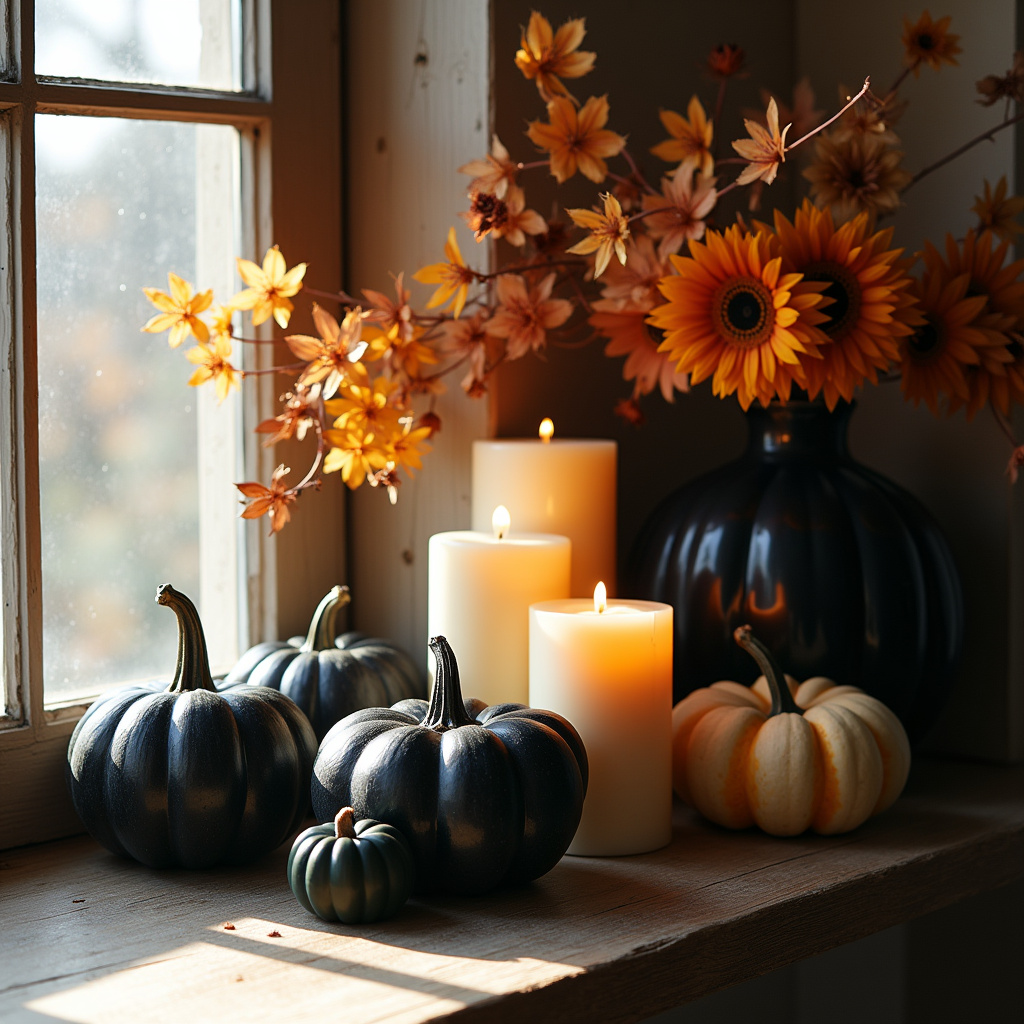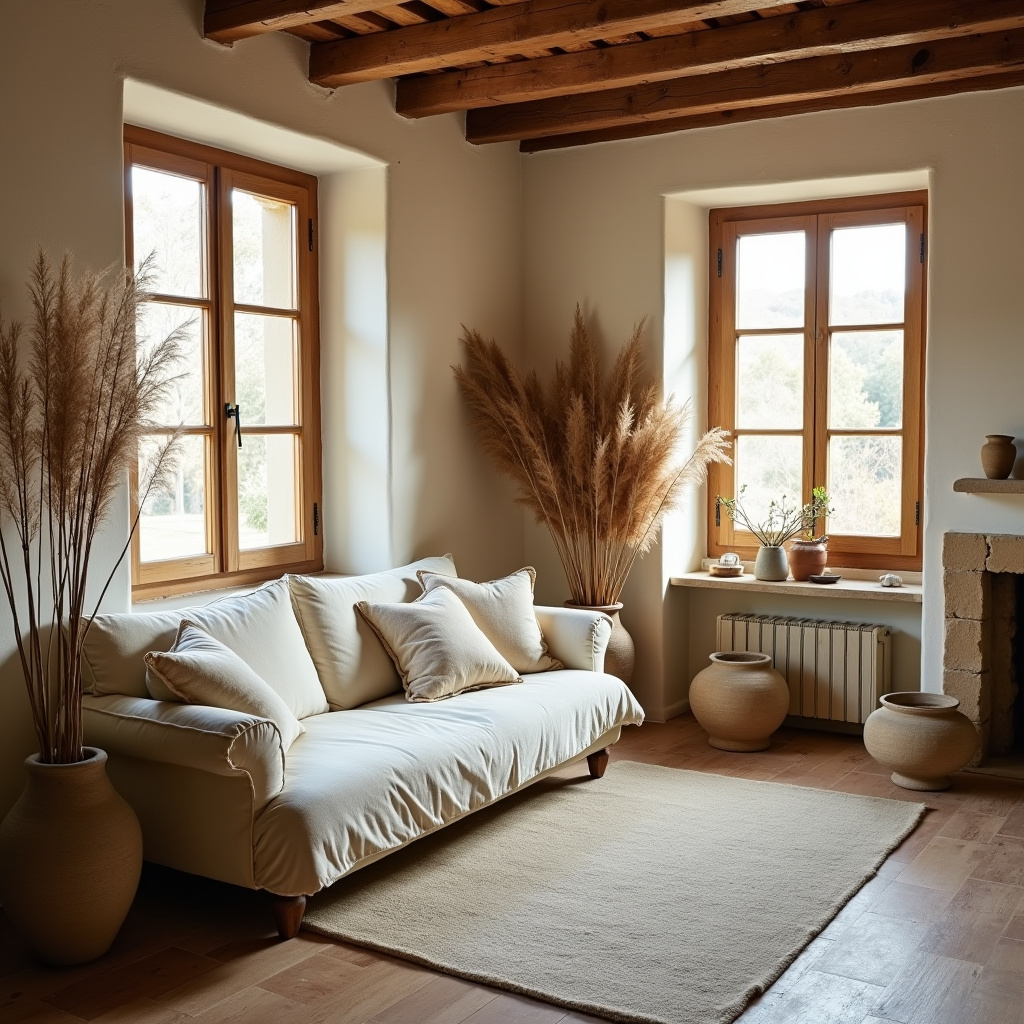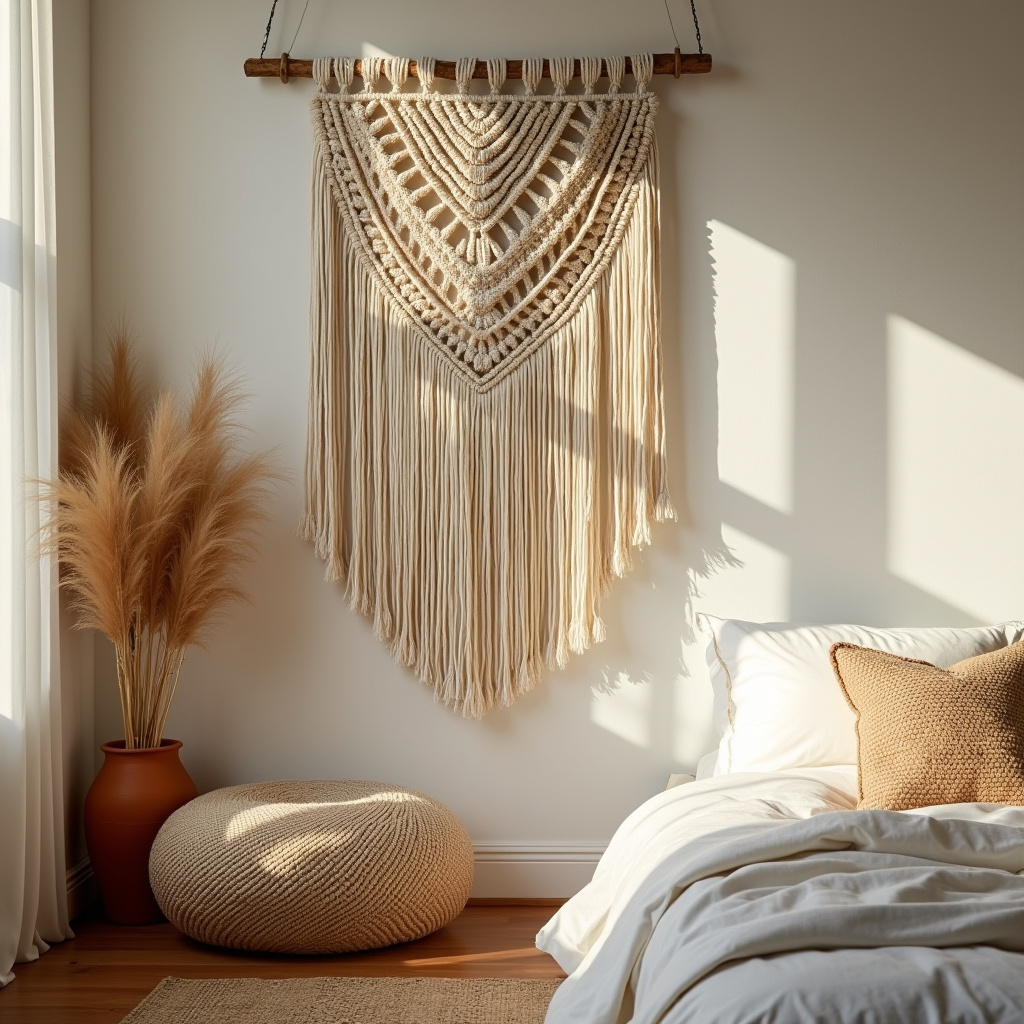
Every well-designed room has a central element that ties it all together. This could be a striking fireplace, a bold statement wall, or a standout piece of art. These elements make ordinary rooms into memorable spaces.
A focal point gives direction, sets the mood, and creates visual harmony. It's what makes a room feel complete.
Imagine walking into a room and knowing exactly where to look. That's the magic of intentional design. Room focal points act as anchors, guiding how people interact with and feel about a space.
This guide will show you how to identify, create, and balance these key elements. By doing so, any room can feel cohesive and inviting.
Understanding Room Focal Points
Every well-designed space starts with a central idea. This idea pulls the whole room together. In interior design, this guiding element is called a focal point. Think of it as the star of the show—everything else orbits around it.
What is a Focal Point?
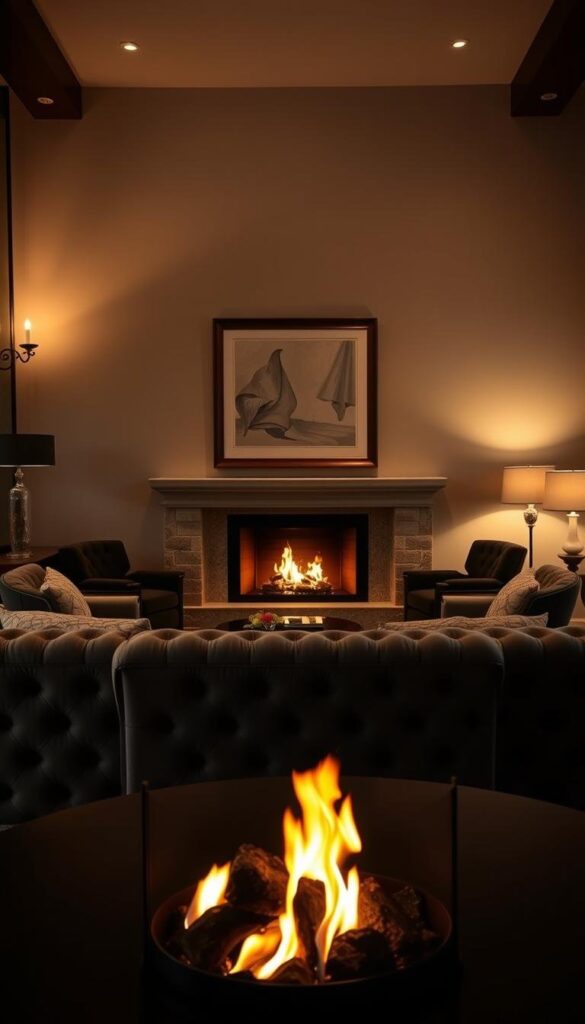
A focal point could be a fireplace, a bold wall color, or an oversized artwork. It’s the first thing your eyes notice when entering a room. Professional designers use this principle to create harmony. As interior designer Clara Bennett explains: “A focal point gives direction. Without it, a room feels lost.”
Importance of Focal Points in Design
- Guides eye movement to create visual flow
- Helps determine furniture placement
- Adds emotional impact to the space
Without a focal point, rooms risk feeling chaotic. Imagine walking into a living room where every item competes for attention. A strong focal point like a patterned accent wall or a statement light fixture gives the space purpose and balance.
Types of Focal Points
Every room has hidden gems waiting to be highlighted. Let's dive into three main types of focal points in home decor to spark your creativity.
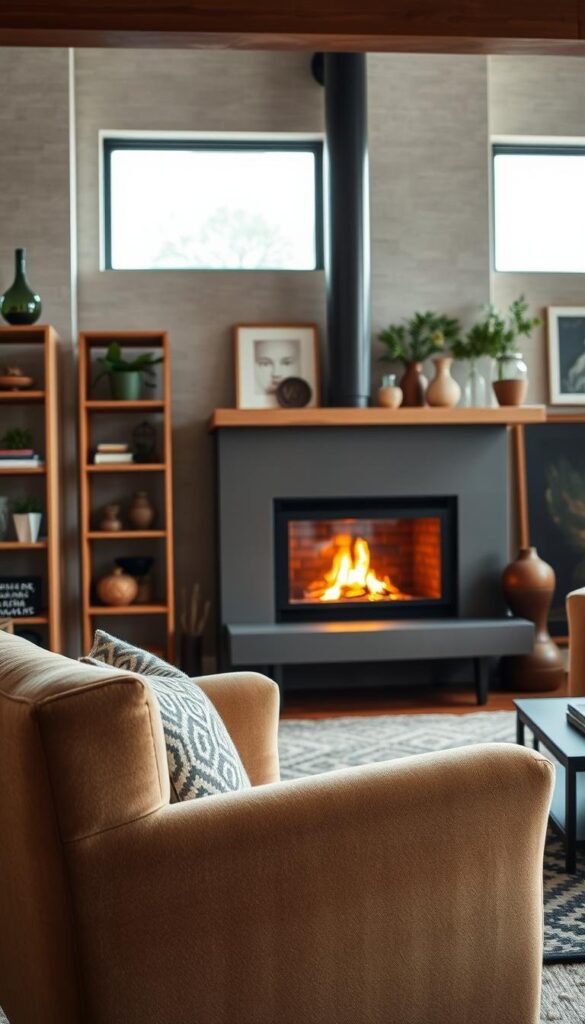
Architectural Features
Begin with the space's natural highlights. Fireplaces, vaulted ceilings, and large windows are perfect choices. Exposed brick or a dramatic staircase can grab attention. Home decor experts recommend using lighting or bold colors to enhance these features.
- Fireplace mantels styled with seasonal accents
- Exposed beams accented with metallic finishes
- Bow windows paired with cozy seating nooks
Art and Decorative Items
Turn ordinary spaces into showstoppers with statement pieces. A bold painting, a gallery wall, or a sculptural vase can anchor a room. Brands like West Elm and Anthropologie have eye-catching art pieces.
- Large-scale abstract art above seating areas
- Custom sculptures in modern minimalist settings
- Textured rugs or tapestries as floor-level focal points
Color and Lighting Elements
Color can change a room's vibe. A vibrant accent wall or a bold chair adds drama. Lighting, like floor lamps or string lights, adds function and flair. Target and Amazon Basics have stylish yet affordable lighting.
- Sapphire blue walls in dining areas
- Chandelier installations for dramatic entryways
- Layered lighting with dimmable LED strips
How to Choose the Right Focal Point
Finding the perfect focal point begins with knowing your space. We'll look at how to pick an element that matches your room's layout and your style.
Consider Room Size and Layout
First, understand the basics of room arrangement. Measure your space and how people move through it to prevent clutter. In narrow rooms, tall elements like floor-to-ceiling shelves pull the eye up. Open layouts might need a bold statement, like a big chandelier.
- Small rooms: Choose compact focal points like accent walls or built-in bookshelves.
- Large spaces: Go for big pieces like a statement fireplace or large art.
- Make sure focal points don't block doors or paths.
Personal Style and Preferences
Your taste should guide your choice. If you love bold art, a striking painting is perfect. For cozy spaces, textured rugs or warm lighting work well. Ask yourself:
- Do I like simple lines or detailed designs?
- Does the focal point fit with my decor?
- Will it stay relevant as my style changes?
Combining function and style makes your focal point both personal and useful.
Creating Focal Points in Different Rooms
Every room has its own unique vibe. Finding the right focal point means matching style to space. Start by spotting the room’s natural focus—like a fireplace or window. Then, use design choices to build around it.
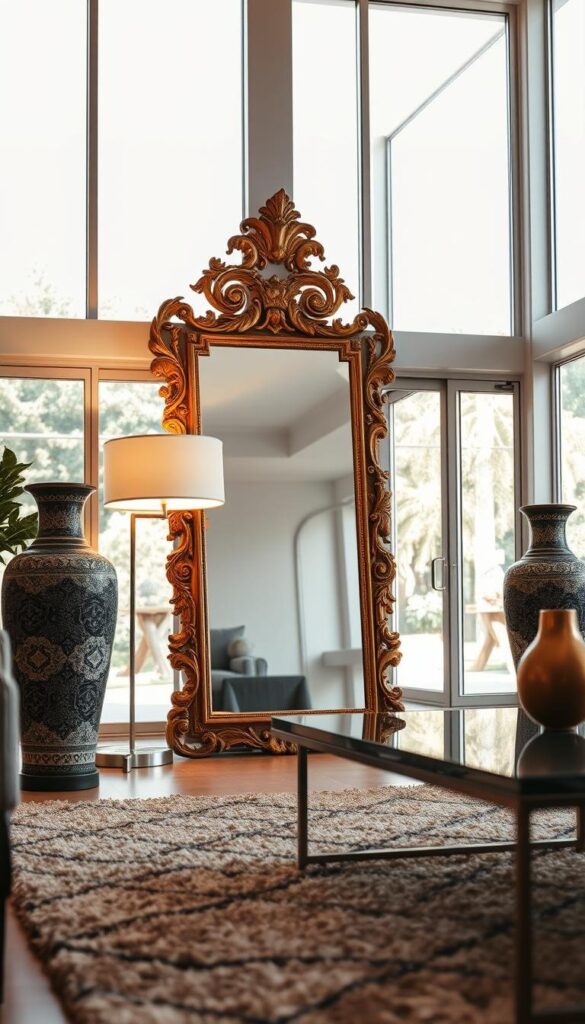
Living Room Focal Points
Living rooms often revolve around entertainment systems, fireplaces, or large windows. For instance, a TV area can pop with decorative pieces like floating shelves from IKEA. These can hold art or books.
A fireplace can be framed with layered wall decor or a mantel. This mantel can feature sculptural items. Tip: Balance bold focal points with neutral walls for harmony.
Bedroom Focal Points
Bedrooms are all about relaxation. So, focus on calming elements. A headboard made of textural materials like linen or velvet adds warmth.
Or, turn a window into a highlight with layered curtains and a gallery wall nearby. Use accent chairs with decorative pieces like throw pillows from West Elm. This adds color without overwhelming the space.
- Fireplace living rooms: Add modular shelves for symmetry
- Window-centric bedrooms: Layer curtains with woven baskets below
Remember, flexibility is key. Swap out decorative pieces seasonally to refresh without redoing the entire design.
Using Color to Create Focal Points
Color can change a room in seconds. A focal wall in deep burgundy or forest green grabs your eye. Soft pastel blues or warm beiges bring a gentle touch. Pick colors that show off your style, like rich tones for drama or soft hues for calm.
Bold Colors vs. Subtle Hues
Choose bold colors for one wall to make a statement. Think navy in the kitchen or emerald in the dining area. Soft colors work too: a light sage wall with gold or a cream wall with wooden decor. Both styles balance well with furniture and lighting.
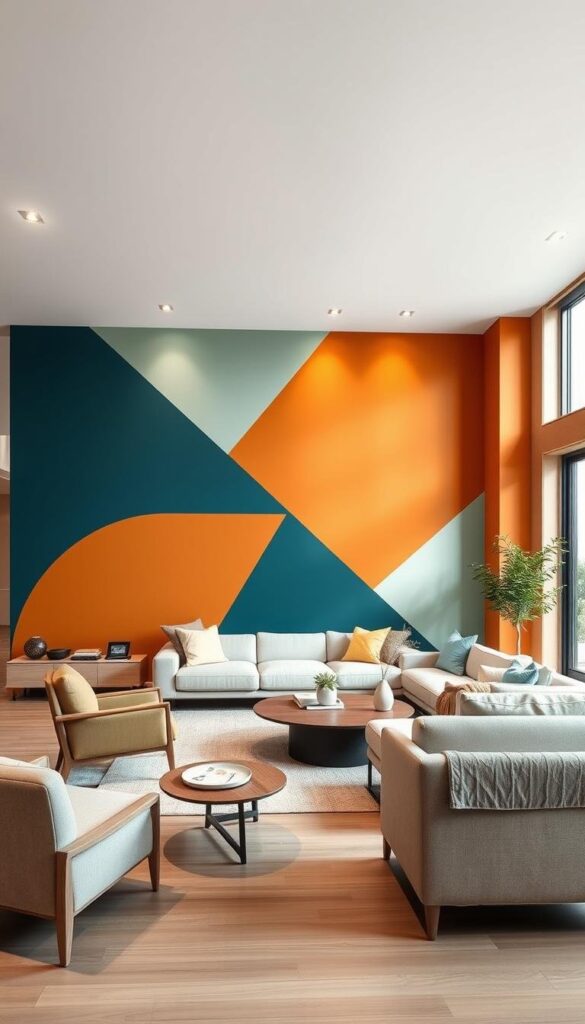
Color Blocking Techniques
Here are ways to make color stand out:
- Paint one wall a vibrant shade (focal wall) while keeping others neutral.
- Combine two complementary colors on adjacent walls, like coral and sage green.
- Use a gradient effect on a single wall for a modern look.
Match bold walls with neutral furniture to avoid feeling overwhelmed. Try out shades with sample paints first. They're free at most stores!
Furniture Arrangement for Impact
Effective furniture placement makes a room's focal point stand out. Start by placing seating to face the focal point. For example, a sofa across from a fireplace or art wall works well. This setup naturally draws attention while keeping the room useful.
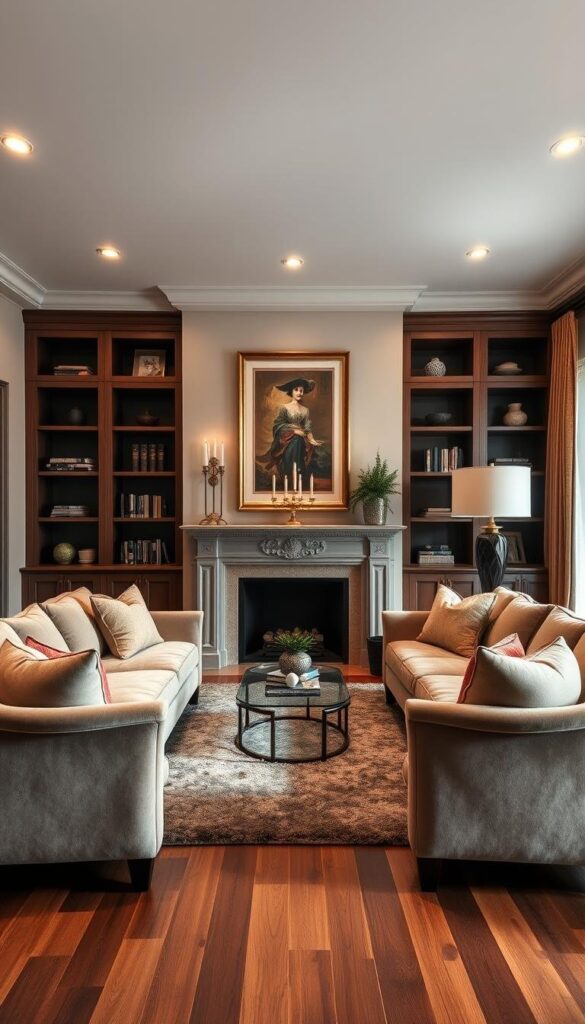
Designing Around a Focal Point
Start with the big items. A statement fireplace looks great with a low-backed sofa. This setup keeps the view clear. Add an accent chair angled toward the focal point to highlight it. Coffee tables or side tables should enhance without overpowering.
- Align furniture lines to draw the eye toward the focal point.
- Leave open space in front of the focal point to highlight its presence.
Avoiding Clutter and Distraction
Too much furniture can distract. Keep only one or two standout pieces near the focal point. Use vertical storage like shelves to keep floors clear. Clear surfaces of too much decor to avoid scattering attention.
Walk through the room to test layouts. Make sure paths are clear and the focal point remains the main focus. Adjust your furniture placement as trends or room use evolve.
Accessories That Enhance Focal Points
Adding accessories thoughtfully can change a room's visual interest without taking over the main focus. The right mix of textures, colors, and art adds depth. It keeps the room's flow smooth. 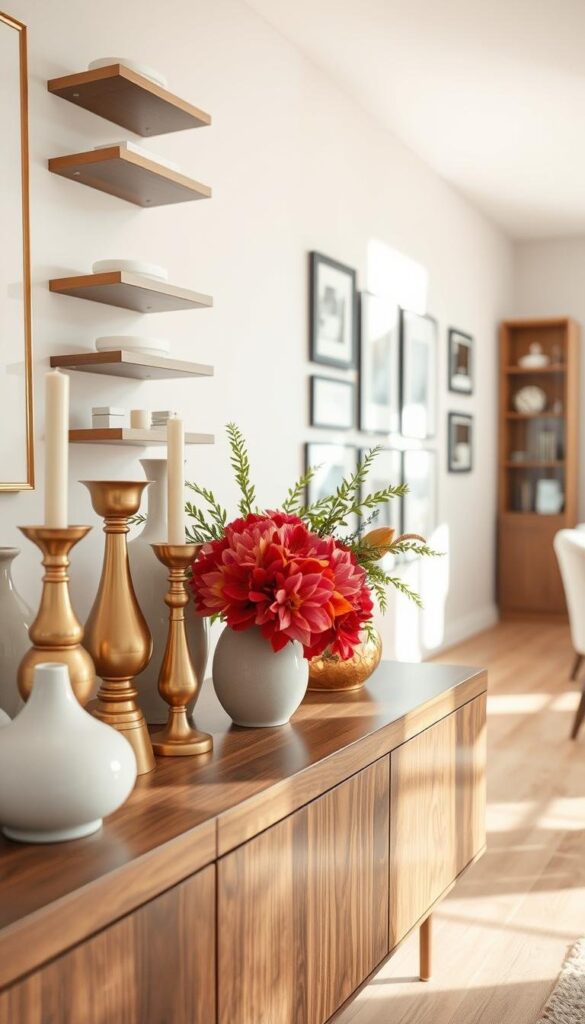
Choosing the Right Décor Items
Begin by picking items that visually match your room's style. Think about:
- Wall art or mirrors that match the focal point's color scheme
- Textured throws, rugs, or curtains to add depth
- Small sculptures or plants to bring in organic shapes
“A well-placed vase or framed print can draw the eye toward the room’s centerpiece without competing,” says interior designer Clara Bennett. “Think of accessories as supporting players in the design story.”
Balanced Placement Tips
Place items with care to keep harmony. Try these tips:
- Cluster smartly: Group 3-5 accessories on shelves or tables to create visual cohesion.
- Scale matters: Avoid items too large for small spaces—opt for petite vases or mini canvases in tight corners.
- Balance symmetry: Mirror accessories on either side of the focal point for a polished look.
Updating accessories seasonally keeps the room fresh while preserving the focal point's dominance. Mix timeless pieces with trendy items for lasting visual interest. This way, your style can evolve while keeping the room interesting.
Maintaining Focal Points Over Time
Keeping your room’s focal point vibrant doesn’t mean constant overhauls. Small changes using accent pieces and smart swaps let you refresh without starting from scratch. Here’s how to balance timeless style with seasonal flair.
Seasonal Updates
Rotate accent pieces to match holidays or weather shifts. Try these ideas:
- Swap out throws or cushions with seasonal colors.
- Replace art or wall decor with thematic options.
- Add potted plants or floral arrangements for freshness.

Long-term Vs. Trendy Choices
Build a base with sturdy elements like fireplaces, built-ins, or bold paint colors. Then, use accent pieces to chase trends without commitment:
- Stick to neutral tones for large furniture.
- Update lamps, rugs, or wall art yearly.
- Pair 1-2 bold accent pieces with classic staples.
A fireplace mantel stays forever, but its decorations can evolve yearly. This blend keeps your space fresh while saving time and money.
Common Mistakes to Avoid
Even the best design ideas can fail if we ignore important details. Two big mistakes are forgetting about scale and letting clutter take over. Here's how to avoid these errors.
Ignoring Scale and Proportion
Choosing furniture that's too big or too small can mess up the room's balance. A huge floor lamp next to a small side table or a tiny mirror above a big fireplace can be distracting. Always measure your space first.
For example, a big sofa should fit the room's size. Think about a 9-foot rug under a 10-foot dining table. This way, the main piece stays the focus.
Overcrowding the Space
Having too many items near the focal point can make it hard to see. A crowded bookshelf next to an accent wall or too many wall hangings near a fireplace can fight for attention. To fix this, group your decor into clusters.
Leave some space around important features like art or built-in shelves. This keeps the main focus clear.
Design is all about intention. By focusing on scale, editing decor, and leaving space, any room can become a peaceful place. Remember, small changes can make a big difference in creating a balanced and intentional room design.