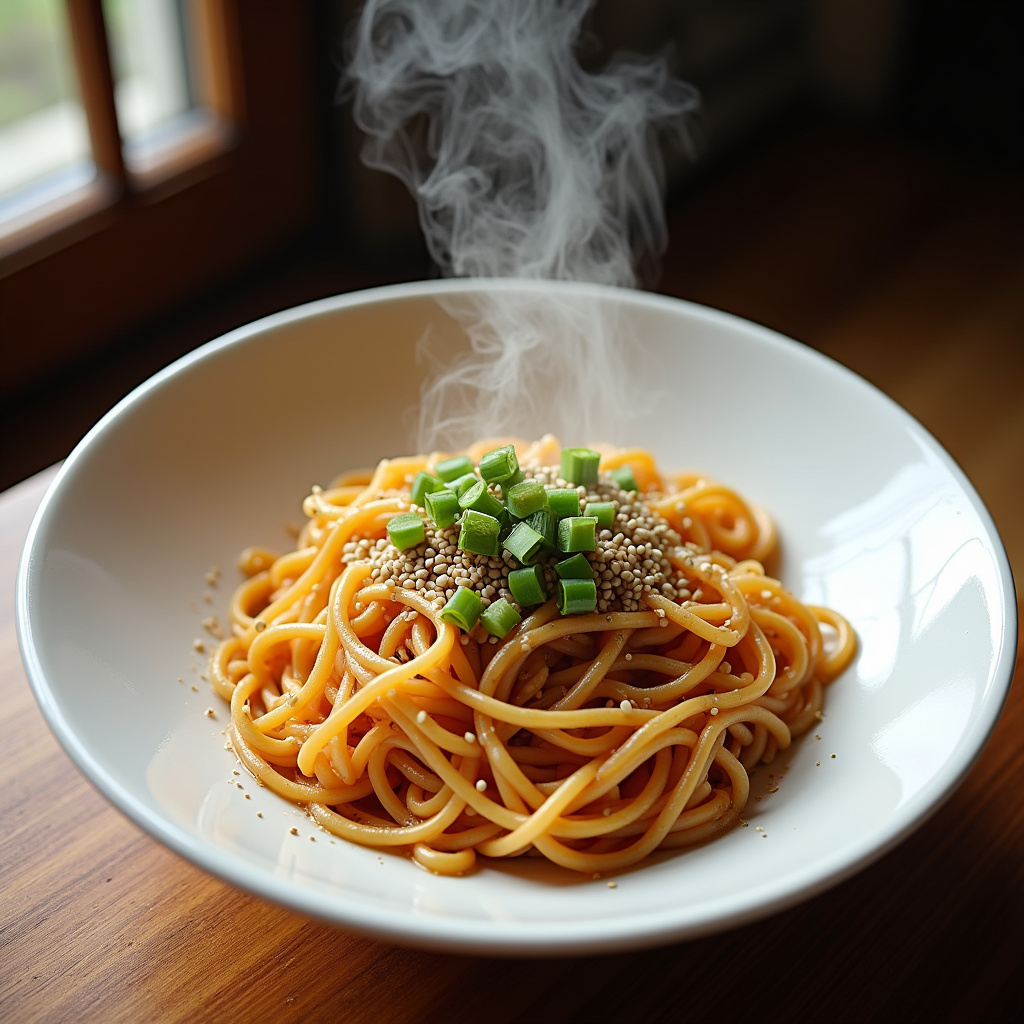
There's something magical about a bowl of cold sesame noodles on a warm evening. They're silky, slightly sweet, perfectly savory, and completely satisfying without ever turning on your oven. This is the recipe I make when it's too hot to cook but I still want something that feels like a real meal. The sauce comes together in minutes, the noodles cook while you prep the vegetables, and you've got a restaurant-quality dish that tastes even better after it sits in the fridge for a few hours. It's become my go-to for potlucks, meal prep, and those nights when I just need dinner to be easy and delicious.
Why You'll Love This Recipe
- ✓Ready in 20 minutes with ingredients you probably already have in your pantry
- ✓Actually tastes better cold, making it perfect for meal prep and packed lunches
- ✓Completely customizable with whatever vegetables and proteins you have on hand
- ✓The sesame sauce is so good you'll want to put it on everything
- ✓No cooking required after the noodles are done, keeping your kitchen cool
- ✓Feeds a crowd for under $15 and always gets recipe requests
Prep Time
15 mins
Cook Time
10 mins
Total Time
25 mins
Servings
4
Ingredients
Everything you need is probably sitting in your pantry right now, and the fresh ingredients are totally flexible based on what's in your fridge.
For the Noodles:
- 12 oz (340g) spaghetti, linguine, or Chinese wheat noodles
- 1 tablespoon sesame oil
- 2 teaspoons salt (for pasta water)
For the Sesame Sauce:
- ¼ cup (60ml) tahini or Chinese sesame paste
- 3 tablespoons soy sauce or tamari
- 2 tablespoons rice vinegar
- 2 tablespoons toasted sesame oil
- 1 tablespoon honey or maple syrup
- 1 tablespoon fresh grated ginger
- 2 cloves garlic, minced or grated
- 1-2 teaspoons chili garlic sauce or sriracha (adjust to taste)
- 2-4 tablespoons warm water (to thin)
For the Bowl:
- 1 English cucumber, julienned or thinly sliced
- 2 medium carrots, julienned or shredded
- 4 green onions, thinly sliced
- 1 red bell pepper, thinly sliced
- ¼ cup (15g) fresh cilantro, roughly chopped
- 2 tablespoons toasted sesame seeds
- Optional: shredded rotisserie chicken, edamame, or crispy tofu
If you can't find tahini, peanut butter works in a pinch and gives you more of a Thai-inspired flavor. Chinese sesame paste is darker and richer than tahini, but either works beautifully. Look for toasted sesame oil in the Asian aisle — it's much more flavorful than regular sesame oil.
How to Make Cold Sesame Noodle Bowl
This comes together faster than ordering takeout, and the hardest part is waiting for the noodles to cool down.
- Cook the noodles. Bring a large pot of salted water to a rolling boil over high heat. Add the noodles and cook according to package directions until al dente, usually 8-10 minutes. You want them tender but still with a slight bite since they'll soften more as they sit in the sauce.
- Rinse and cool. Drain the noodles in a colander and immediately rinse under cold running water for 1-2 minutes, tossing them with your hands to cool them completely. This stops the cooking process and removes excess starch. Shake off all the water, then toss with 1 tablespoon sesame oil to prevent sticking.
- Make the sesame sauce. In a medium bowl, whisk together the tahini, soy sauce, rice vinegar, toasted sesame oil, honey, grated ginger, minced garlic, and chili garlic sauce until completely smooth. The mixture will seize up at first — that's normal. Add warm water 1 tablespoon at a time, whisking constantly, until you have a pourable sauce that's about the consistency of heavy cream.
- Prep your vegetables. While the noodles cool, julienne the cucumber and carrots into thin matchsticks, slice the green onions on a diagonal, and cut the bell pepper into thin strips. If you're adding protein like shredded chicken or edamame, prep that now too.
- Toss everything together. In a large mixing bowl, add the cooled noodles and pour the sesame sauce over top. Use tongs or two large spoons to toss the noodles thoroughly, making sure every strand is coated in that gorgeous sauce. This takes about 1-2 minutes of good tossing.
- Add the vegetables. Add the cucumber, carrots, bell pepper, and half the green onions to the bowl. Toss again gently to distribute the vegetables throughout the noodles without breaking them up too much.
- Chill or serve. You can serve this immediately at room temperature, but it's even better after 30 minutes to 2 hours in the fridge. The flavors meld together and the vegetables release a bit of their juice into the sauce, making everything even more flavorful.
- Finish and garnish. Right before serving, give the noodles one more toss (they may need a splash of water or extra sesame oil if they've absorbed too much sauce). Transfer to serving bowls and top with the remaining green onions, fresh cilantro, and a generous sprinkle of toasted sesame seeds.
💡 Baker's Tips
Sauce consistency matters: The sauce should coat the back of a spoon but still pour easily. If it's too thick after sitting, just whisk in a tablespoon of water at a time until it loosens up. Cold noodles absorb sauce like crazy.
Toast your sesame seeds: If yours aren't already toasted, throw them in a dry skillet over medium heat for 2-3 minutes, shaking constantly, until golden and fragrant. This brings out so much more flavor.
Make extra sauce: I always double the sauce recipe and keep extra in a jar in the fridge. It's incredible on grilled chicken, roasted vegetables, rice bowls, and salads. It'll keep for up to a week.
Recipe Variations
◆ Spicy Peanut Version
Swap the tahini for creamy peanut butter and add an extra tablespoon of chili garlic sauce or a teaspoon of red pepper flakes. Top with crushed peanuts instead of sesame seeds and add a squeeze of fresh lime juice right before serving. This gives you that classic Thai-inspired flavor profile that's slightly sweeter and a lot spicier.
◆ Protein-Packed Bowl
Turn this into a complete meal by adding 2 cups of shredded rotisserie chicken, seared shrimp, or crispy baked tofu. You can also add a soft-boiled egg on top, halved to show off that jammy yolk. Edamame or chickpeas work great too if you want to keep it vegetarian but still add protein and substance.
◆ Miso Ginger Twist
Add 1 tablespoon of white or yellow miso paste to the sauce along with an extra teaspoon of grated fresh ginger. This gives you deeper umami flavor and a slightly fermented tang that's absolutely addictive. Top with pickled ginger and nori strips for even more Japanese-inspired flavor.
What to Serve With Cold Sesame Noodle Bowl
This dish is hearty enough to stand on its own, but it also plays really well with others at a summer cookout or potluck spread.
- Pot stickers or dumplings: Either steamed or pan-fried, they're the perfect finger food alongside these noodles and you can use any leftover sesame sauce for dipping.
- Asian cucumber salad: The cool, crunchy, slightly sweet-and-sour flavors complement the rich sesame sauce perfectly. Make it with rice vinegar, a touch of sugar, and chili flakes.
- Crispy spring rolls: The contrast between the crispy wrapper and the soft, saucy noodles is textural heaven. Serve with sweet chili sauce on the side.
- Grilled chicken skewers: Marinated in soy sauce, ginger, and garlic, then grilled until slightly charred. The smokiness pairs beautifully with the creamy sesame sauce.
Storage & Make-Ahead Tips
One of the best things about this recipe is how well it keeps, making it perfect for meal prep Sunday.
- Refrigerator: Store in an airtight container for up to 4 days. The noodles will absorb sauce as they sit, so you may want to make a little extra sauce to toss in before serving. The vegetables will release some liquid, which is totally normal and actually adds flavor.
- Freezer: I don't recommend freezing this dish. The noodles and vegetables don't hold up well to freezing and thawing, and you'll end up with a mushy texture.
- Make-ahead: You can cook the noodles and make the sauce up to 2 days ahead. Store them separately in the fridge, then toss together with fresh vegetables the day you want to serve. The sauce can be made up to a week ahead and stored in a jar.
- Meal prep: Portion into individual containers with the protein and vegetables already mixed in. These hold up great for packed lunches and actually taste better on day two or three.
Common Mistakes to Avoid
✗ Not rinsing the noodles properly
If you skip the cold water rinse, you'll end up with gummy, starchy noodles that clump together. Run them under cold water for at least a full minute, tossing with your hands, until they're completely cool to the touch. This removes surface starch and stops the cooking process immediately.
✗ Using regular sesame oil instead of toasted
Regular sesame oil is neutral and mild, while toasted sesame oil is dark, nutty, and intensely flavored. You need the toasted version for this recipe or you'll end up with flat, boring sauce. Check the label — it should say "toasted" or be dark brown in the bottle.
✗ Adding vegetables while noodles are hot
If you add cucumber and other fresh vegetables to hot noodles, they'll wilt and release too much water, making your dish watery and sad. Always let the noodles cool completely first, or your crisp vegetables will turn limp within minutes.
✗ Making the sauce too thick
Tahini and sesame paste are thick and need proper thinning to coat noodles evenly. If your sauce is the consistency of peanut butter, add warm water a tablespoon at a time until it pours smoothly. It should look like a thin salad dressing, not a spread.
Frequently Asked Questions
Can I use a different type of noodle?
Absolutely! Spaghetti and linguine are my go-to because they're easy to find, but you can use soba noodles, udon, rice noodles, or authentic Chinese wheat noodles if you have access to an Asian grocery store. Just cook according to package directions and rinse well. Each type will give you a slightly different texture, but they all work beautifully with this sauce.
Is this recipe gluten-free?
It can be! Use gluten-free pasta or rice noodles, and swap the soy sauce for tamari or coconut aminos. Make sure your chili garlic sauce is also gluten-free (most are, but check the label). The rest of the ingredients are naturally gluten-free.
Why did my sauce seize up and get really thick?
This is totally normal when tahini or sesame paste meets liquid — it thickens dramatically at first. Just keep whisking and adding warm water one tablespoon at a time. It'll suddenly loosen up and become smooth and pourable. Don't panic and don't add all the water at once, or you'll end up with sauce that's too thin.
Can I make this ahead for a party?
Yes, and you absolutely should! This is one of those rare dishes that gets better as it sits. Make it up to 24 hours ahead and keep it covered in the fridge. Give it a good toss and check the consistency before serving — you might need to add a splash of water or extra sesame oil. Add the garnishes right before serving so they stay fresh and vibrant.
How do I keep leftover noodles from drying out?
Cold noodles absorb sauce like crazy as they sit. Store leftovers in an airtight container and expect them to look a bit dry when you pull them out of the fridge. Just add a tablespoon or two of water, a drizzle of sesame oil, or even a spoonful of extra sauce,
Cold Sesame Noodle Bowl
Chilled noodles tossed in a creamy sesame sauce with crisp vegetables and a hint of chili heat.
🧂 Ingredients
- 1 lb fresh Chinese egg noodles or spaghetti
- 1/4 cup tahini
- 3 tbsp soy sauce
- 2 tbsp rice vinegar
- 2 tbsp toasted sesame oil
- 1 tbsp honey
- 2 cloves garlic, minced
- 1 tsp chili oil
- 2 tbsp warm water
- 1 cucumber, julienned
- 2 carrots, julienned
- 3 green onions, sliced
- 2 tbsp sesame seeds, toasted
📋 Instructions
- Cook noodles according to package directions, drain, and rinse under cold water until chilled.
- Whisk together tahini, soy sauce, rice vinegar, sesame oil, honey, garlic, chili oil, and warm water until smooth.
- Toss chilled noodles with sesame sauce until well coated.
- Top with cucumber, carrots, green onions, and sesame seeds.
- Serve immediately or refrigerate up to 2 hours.